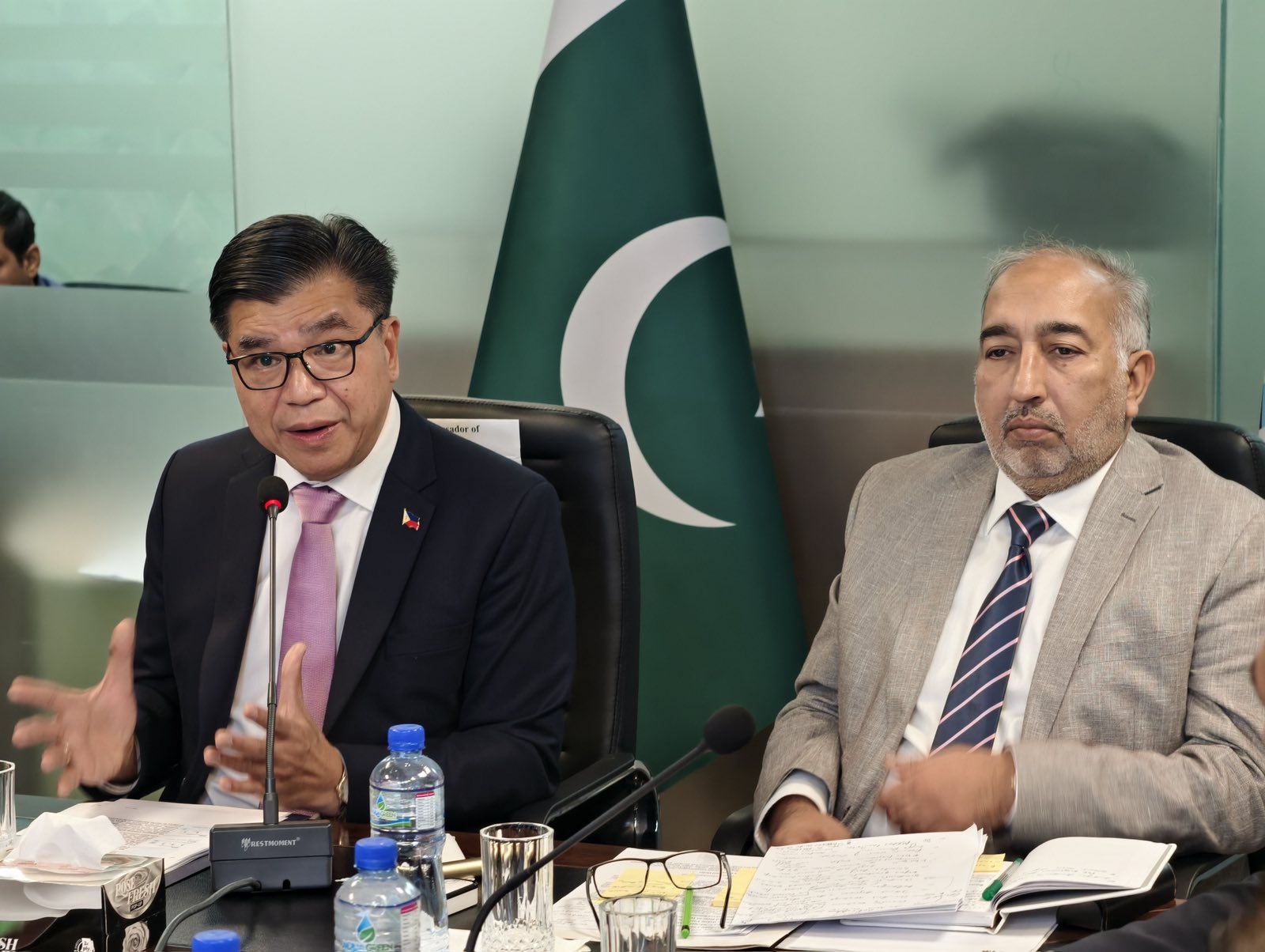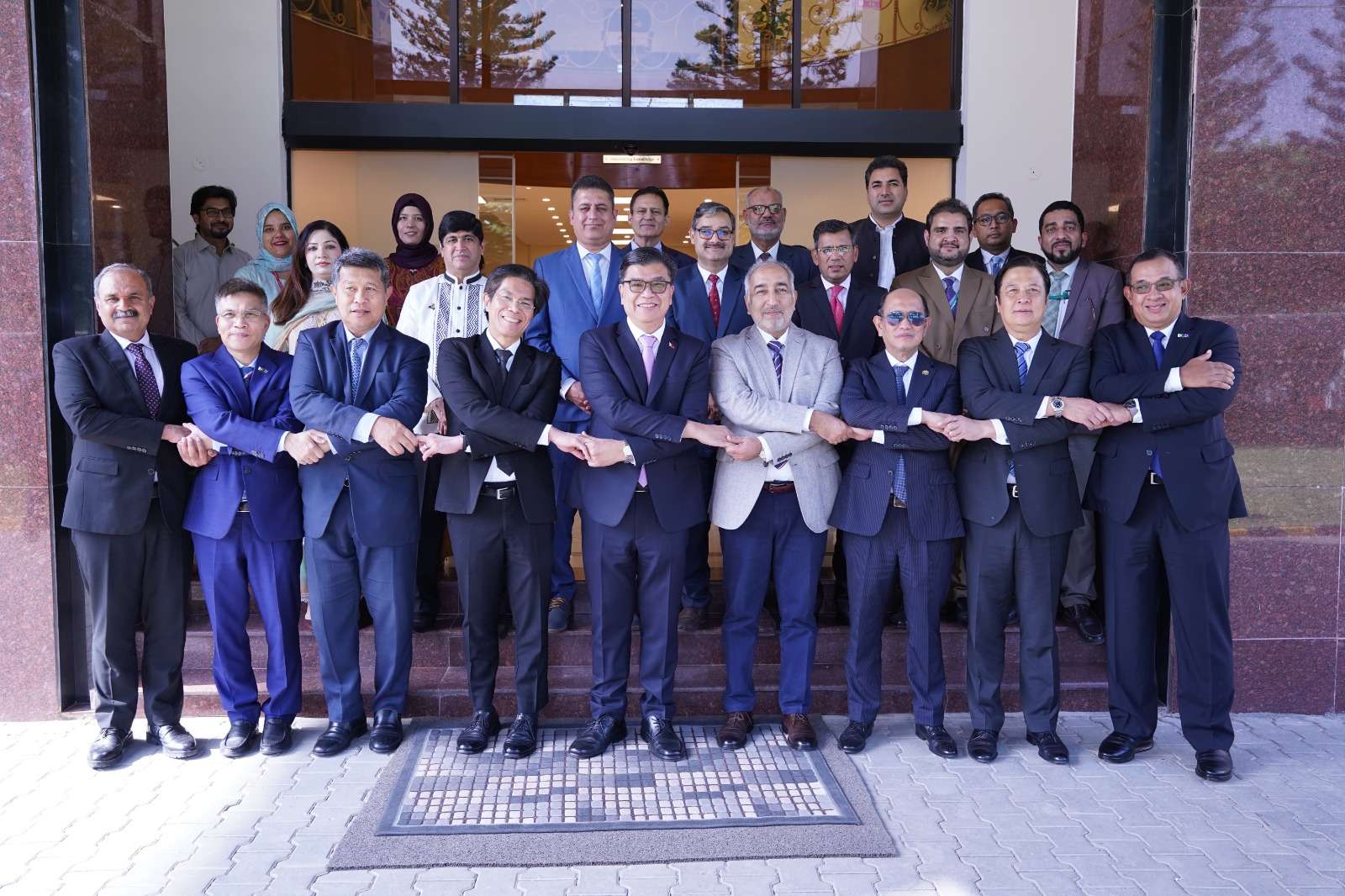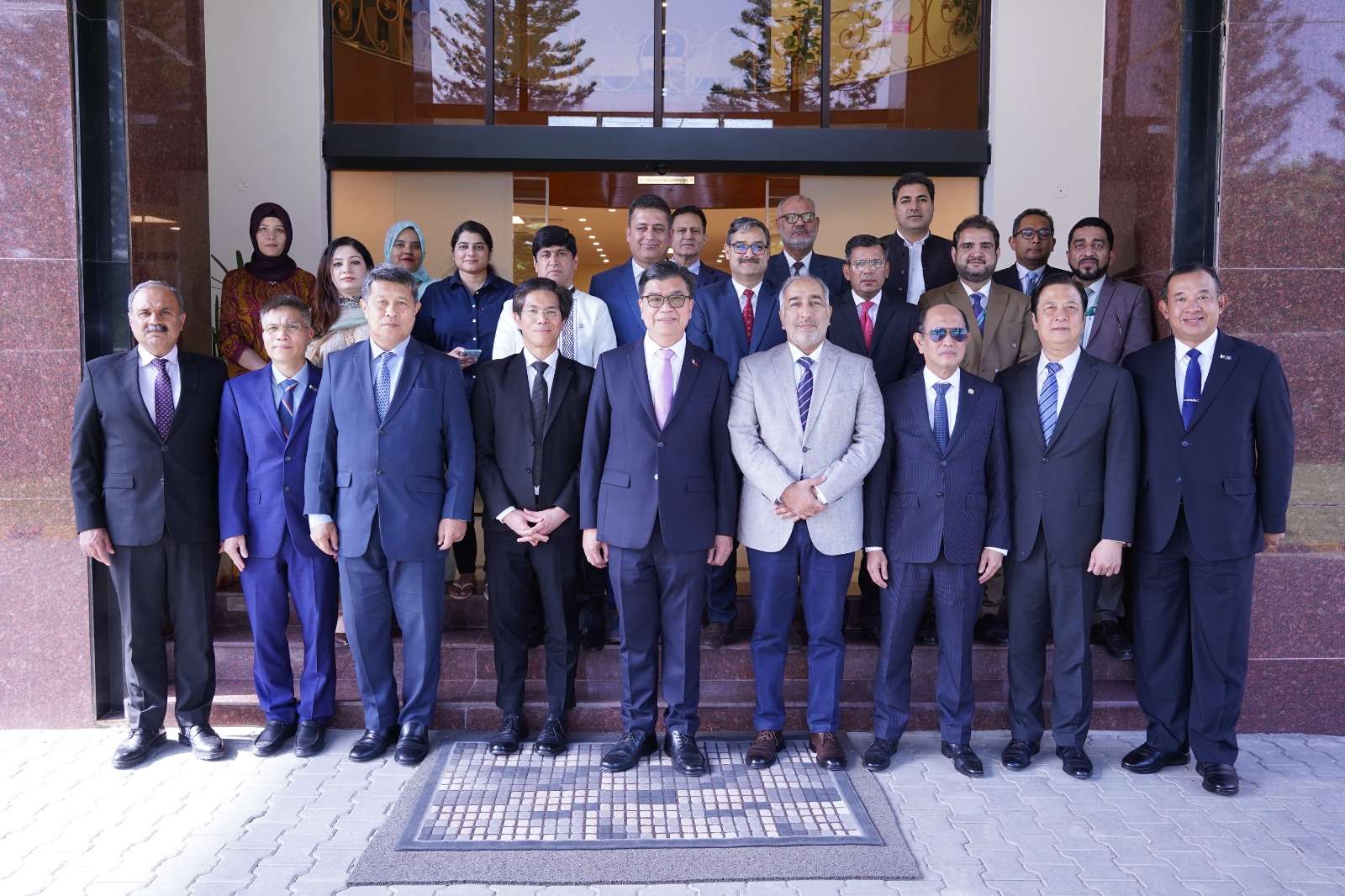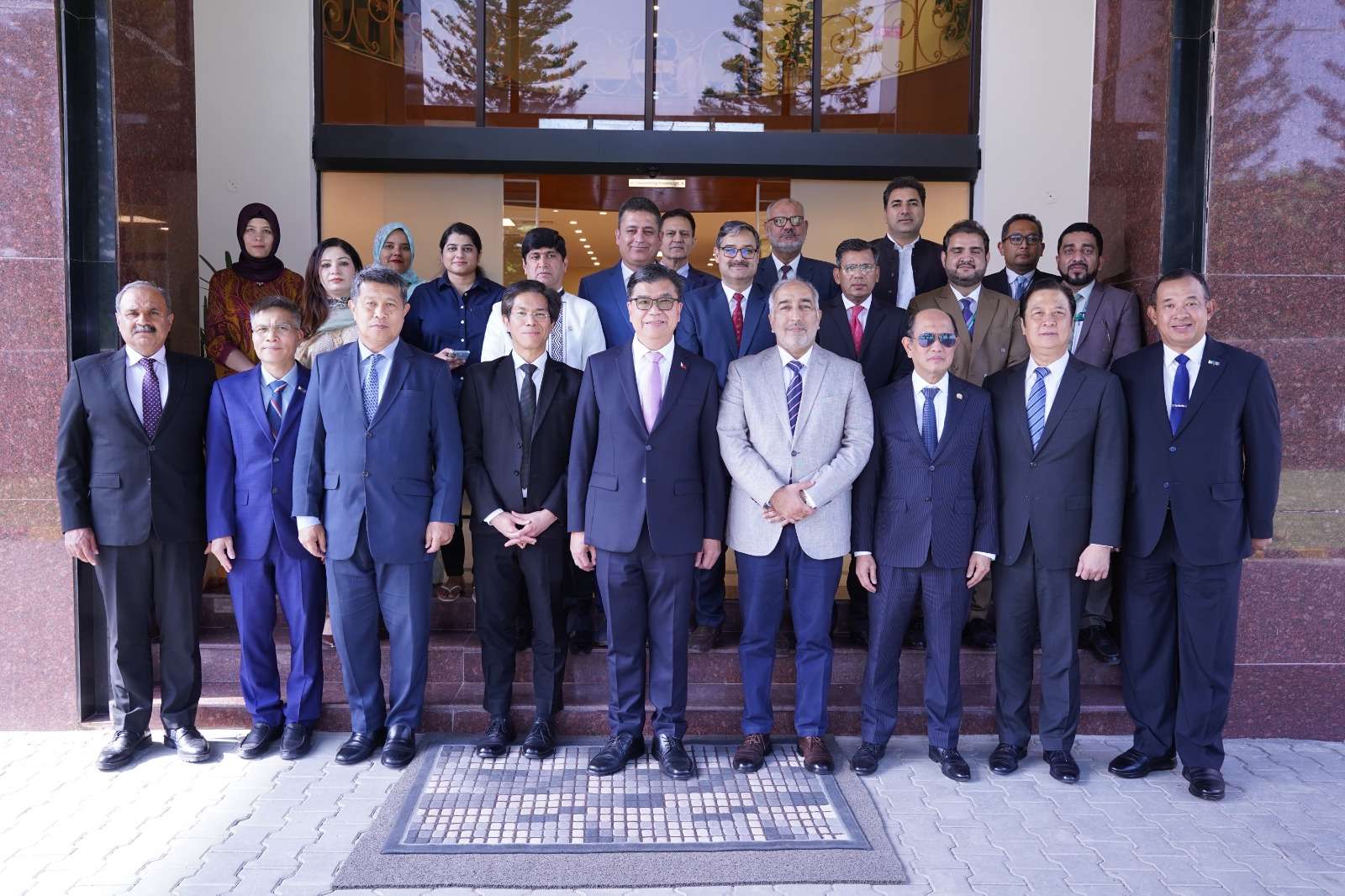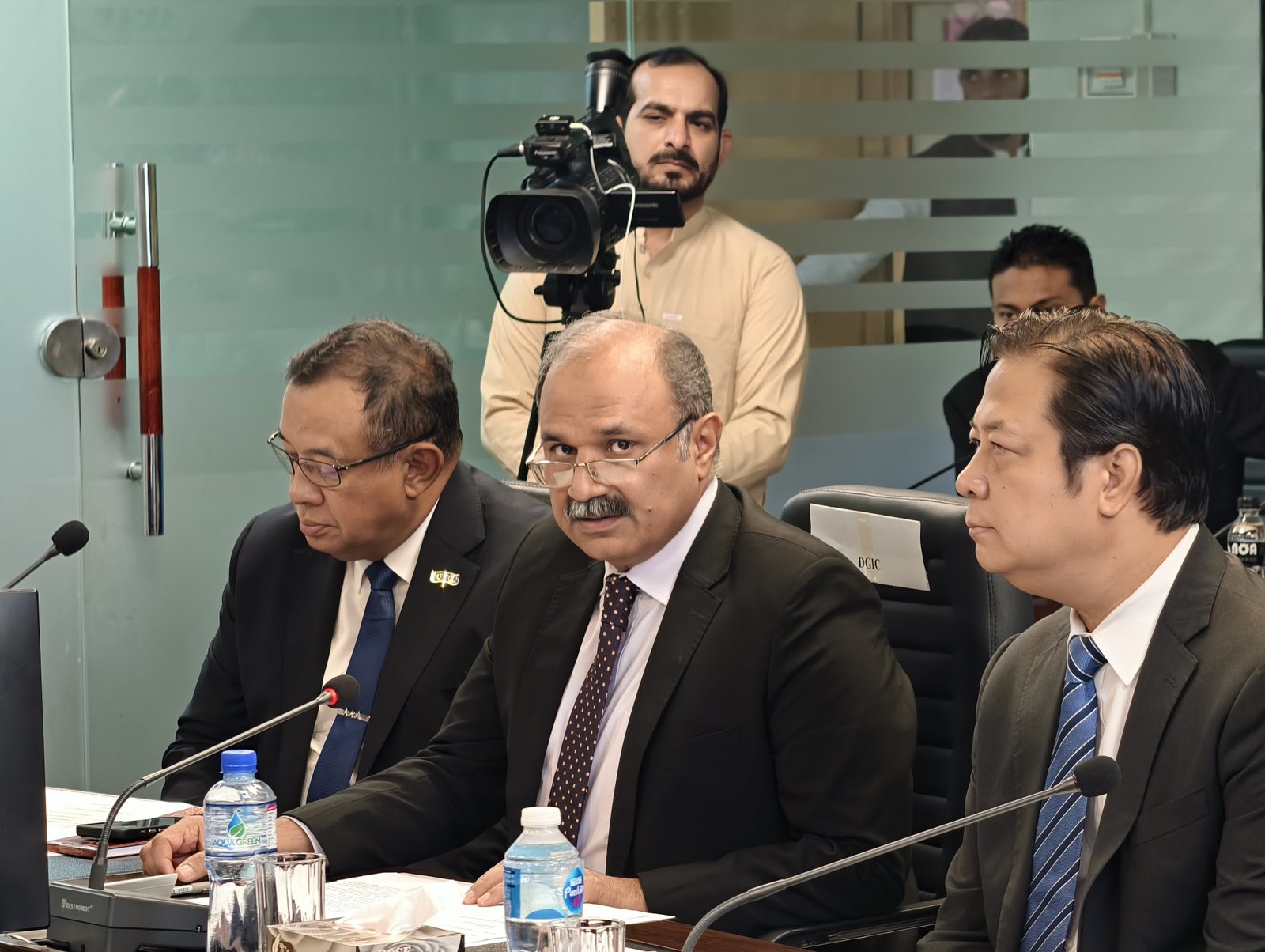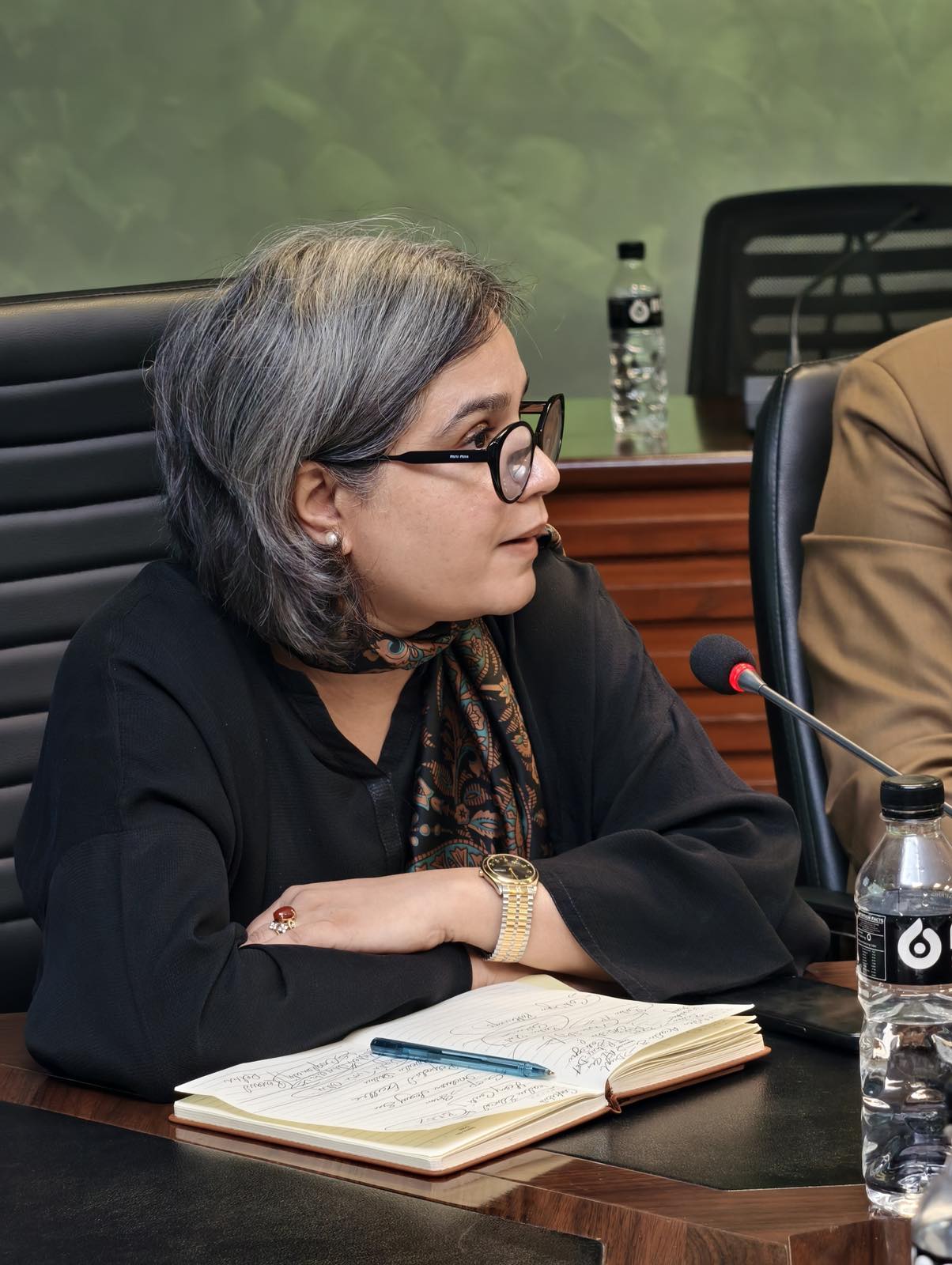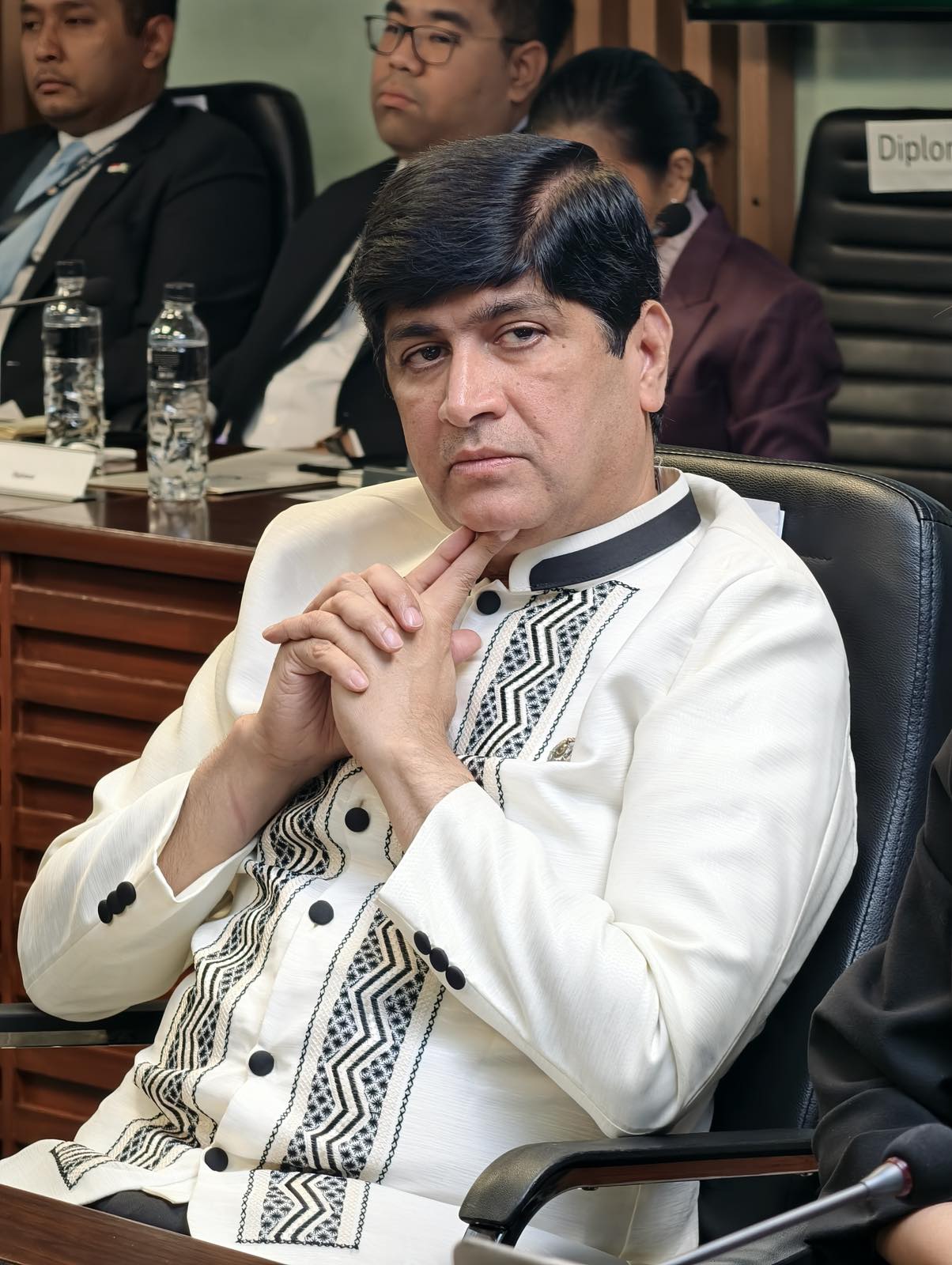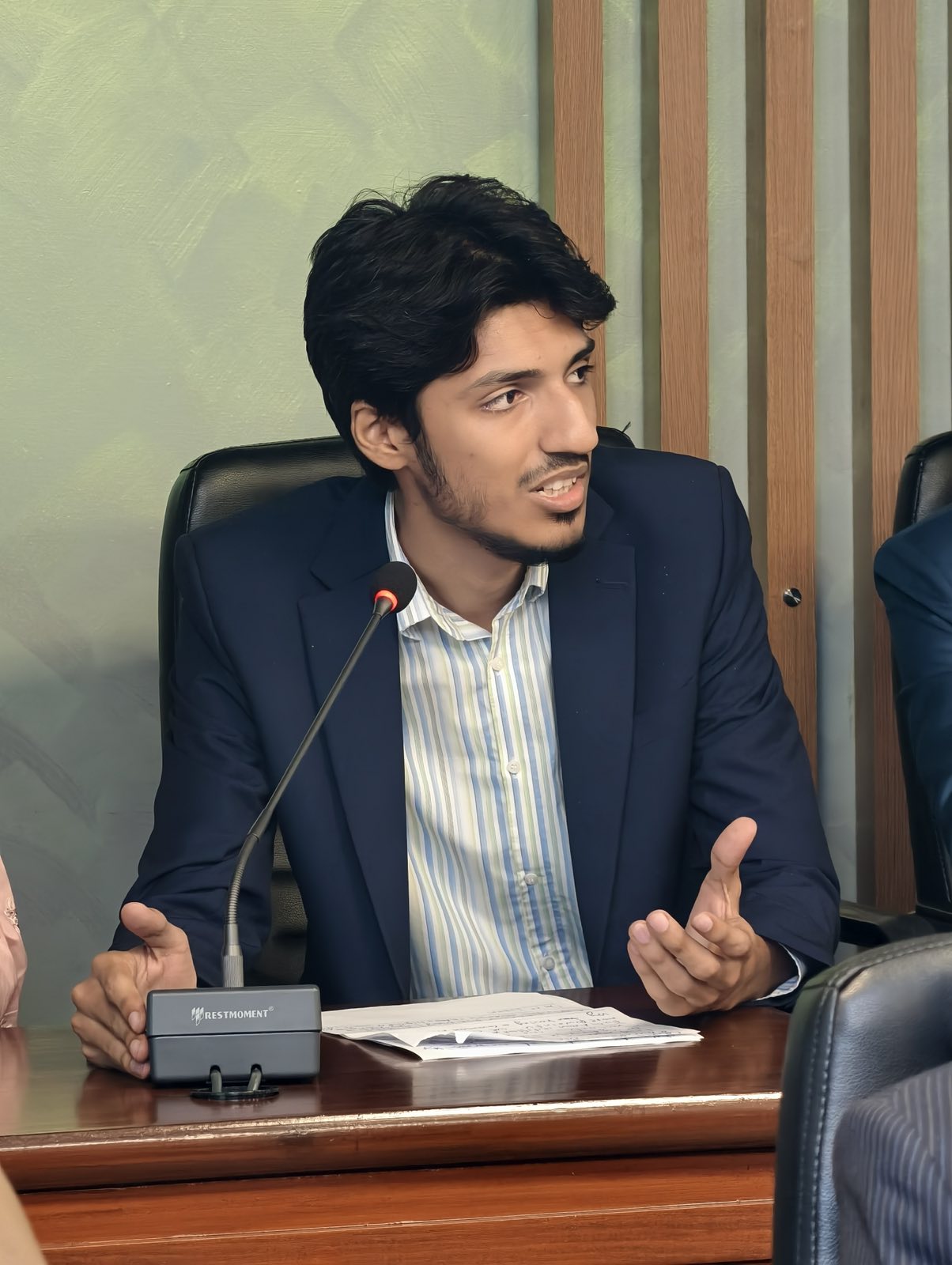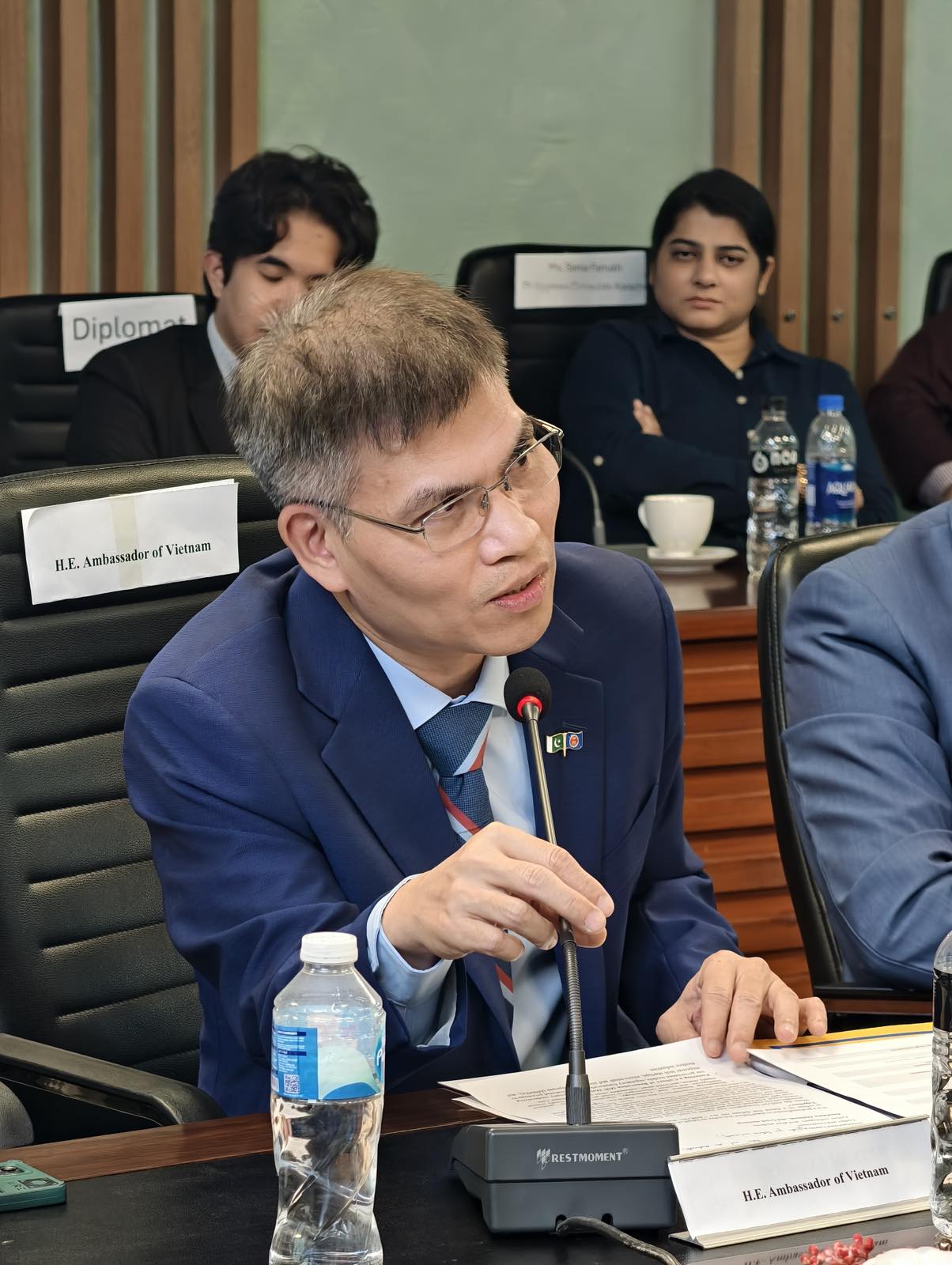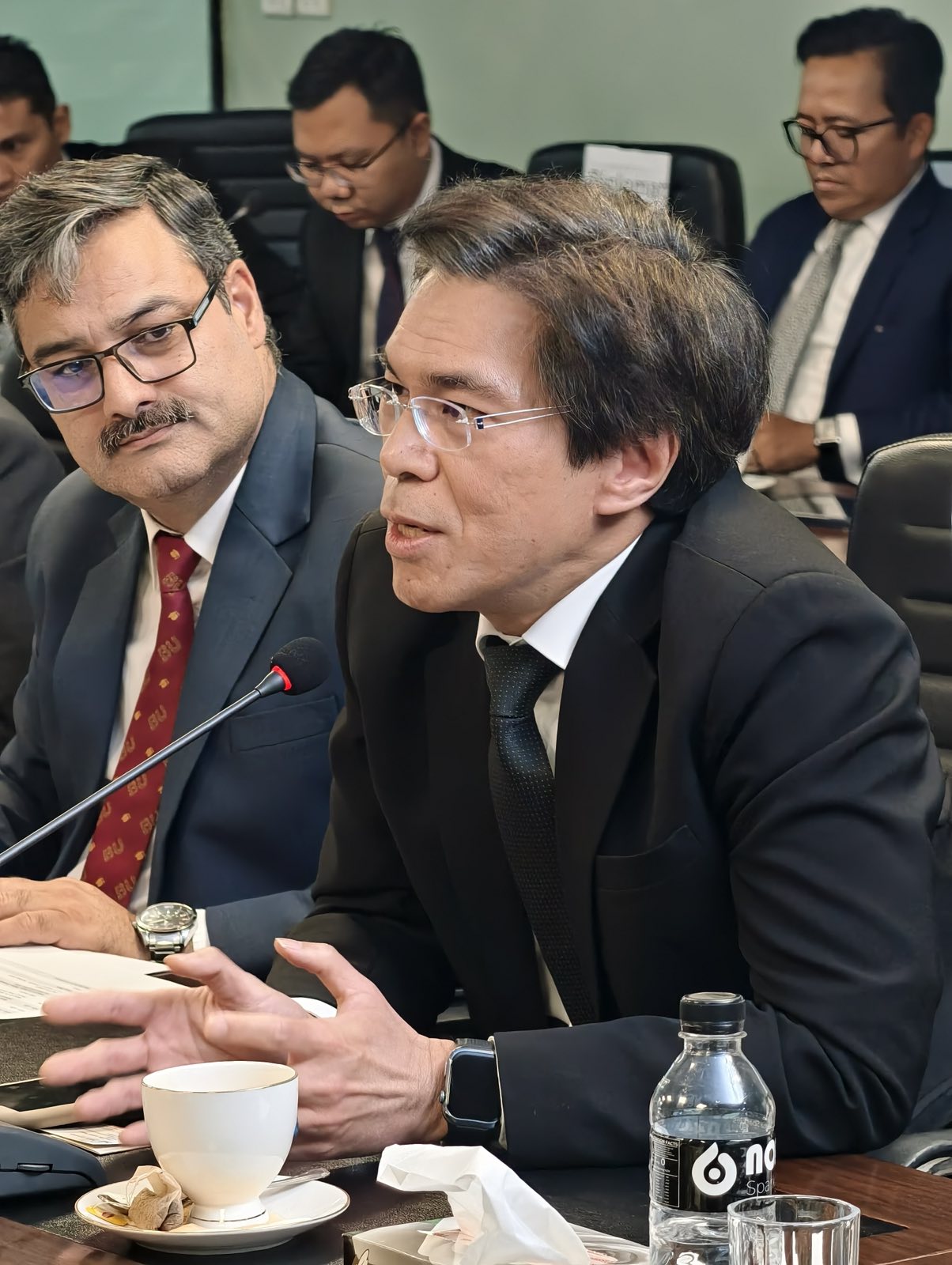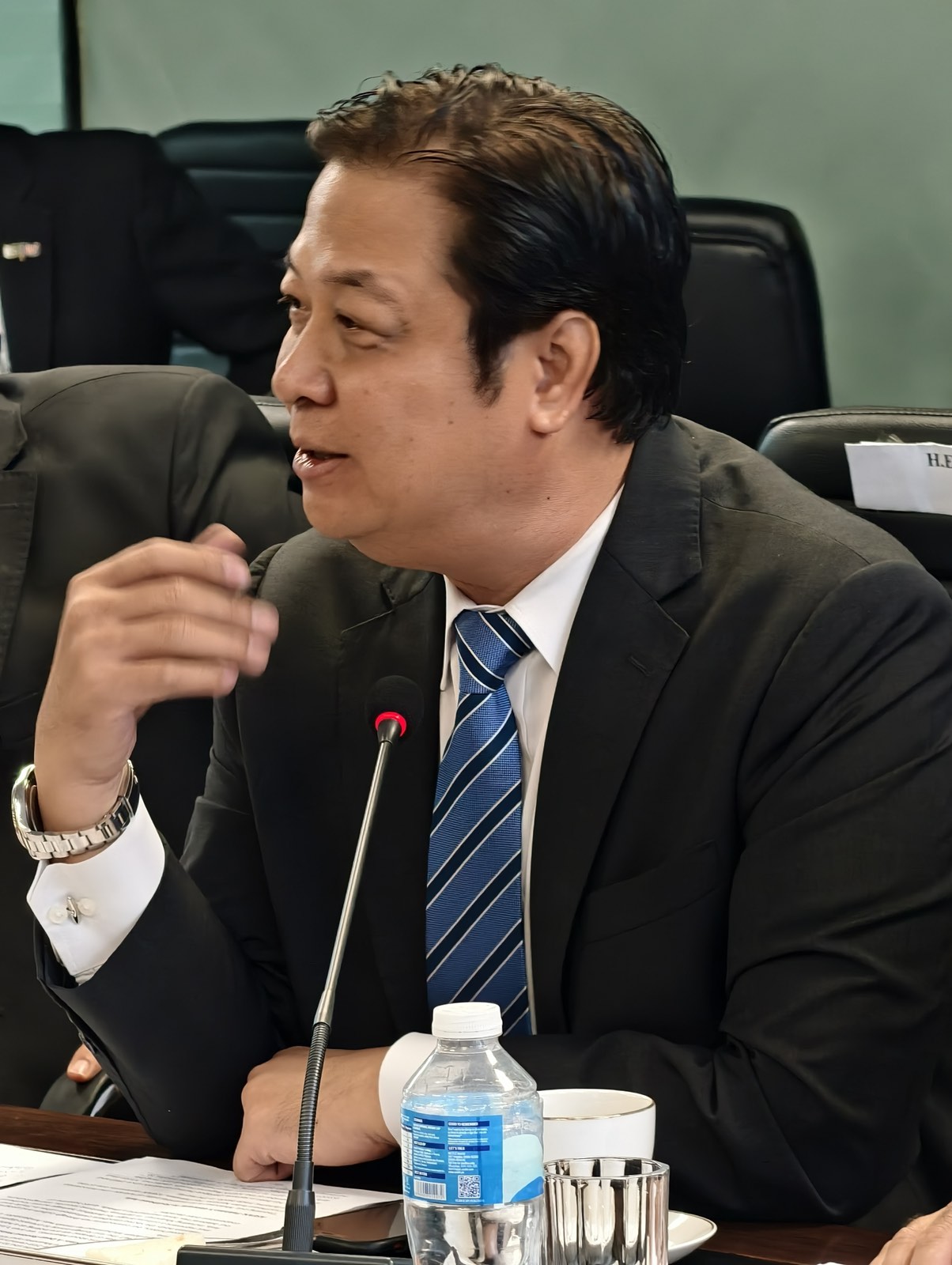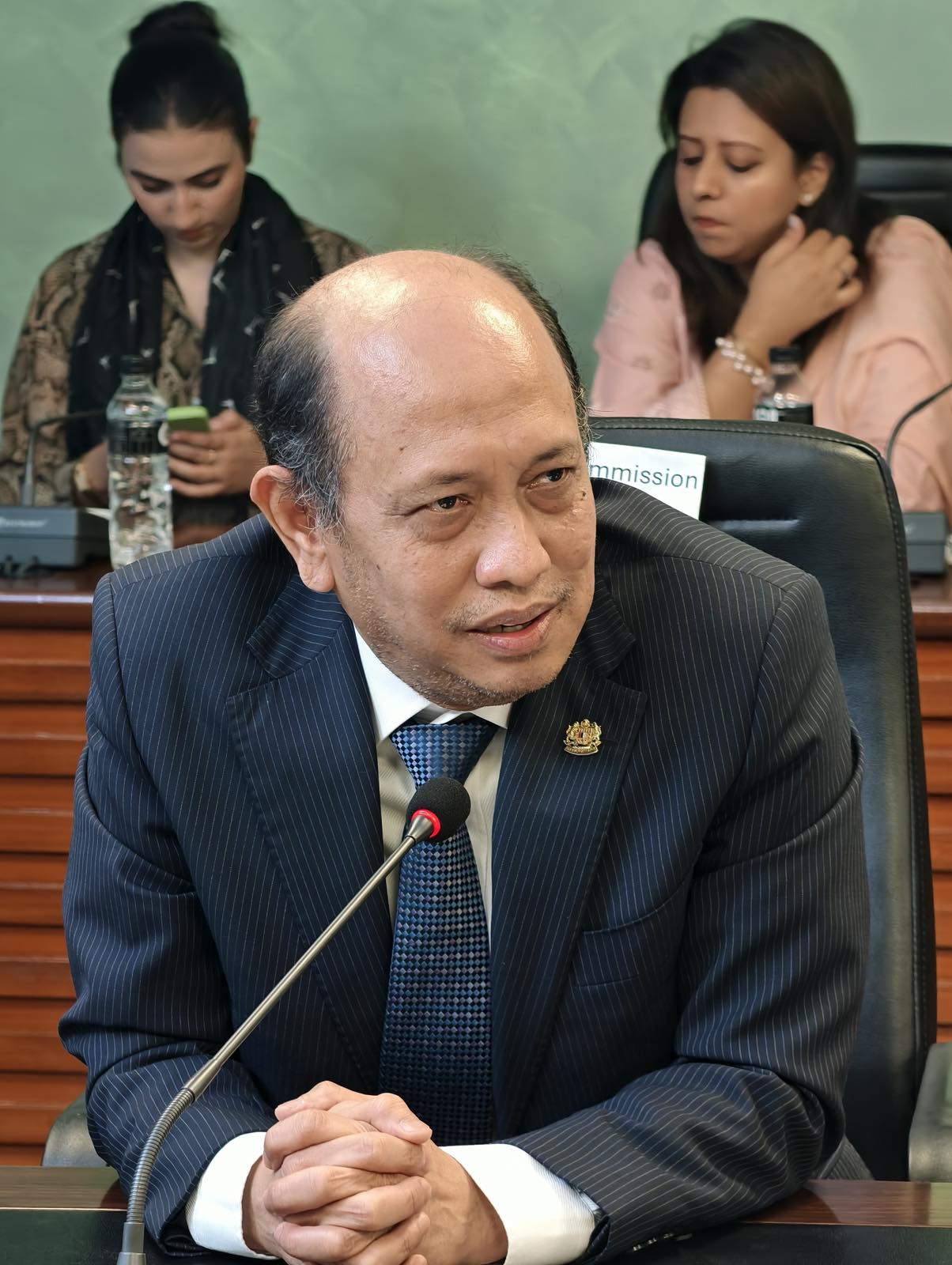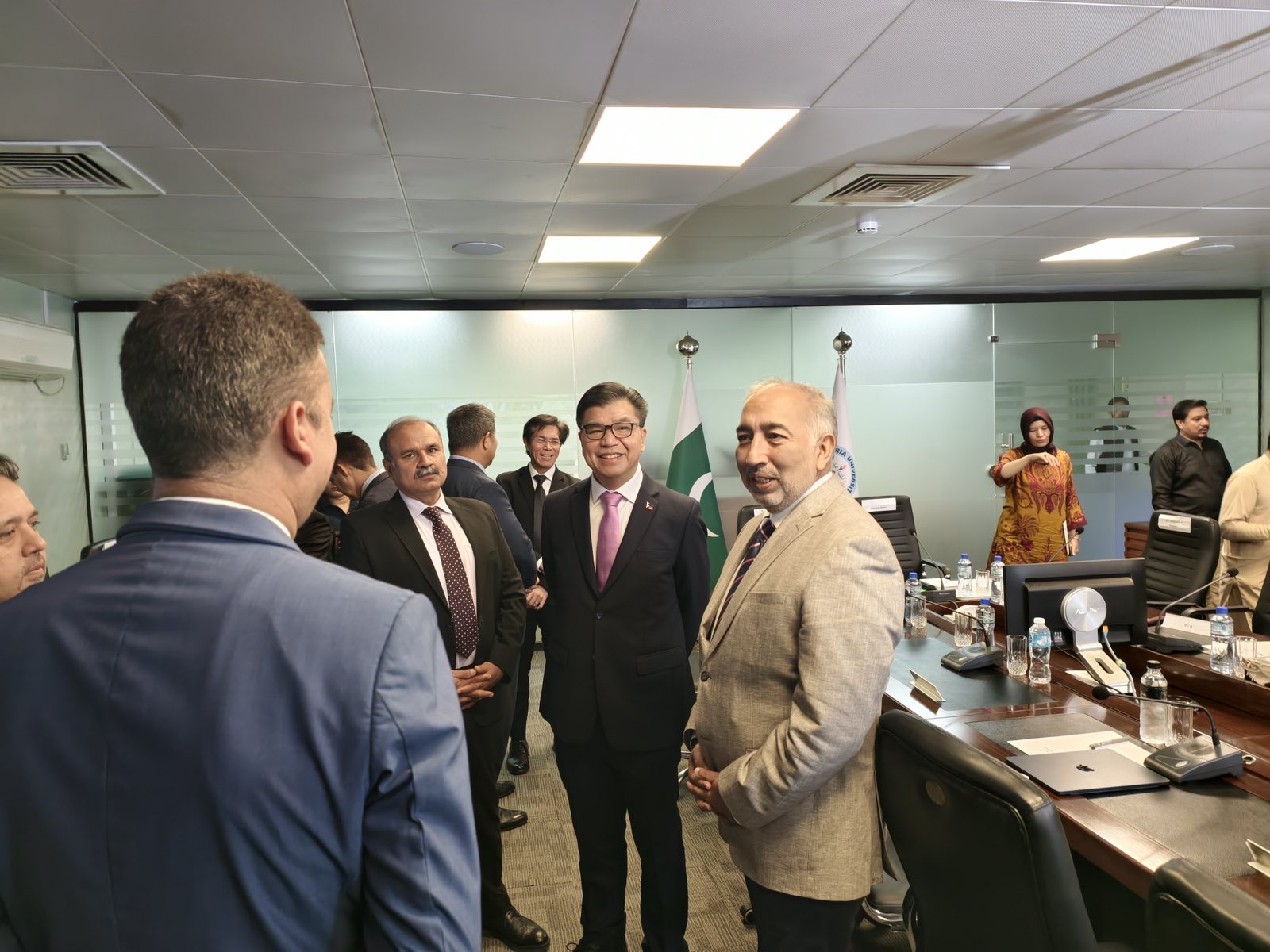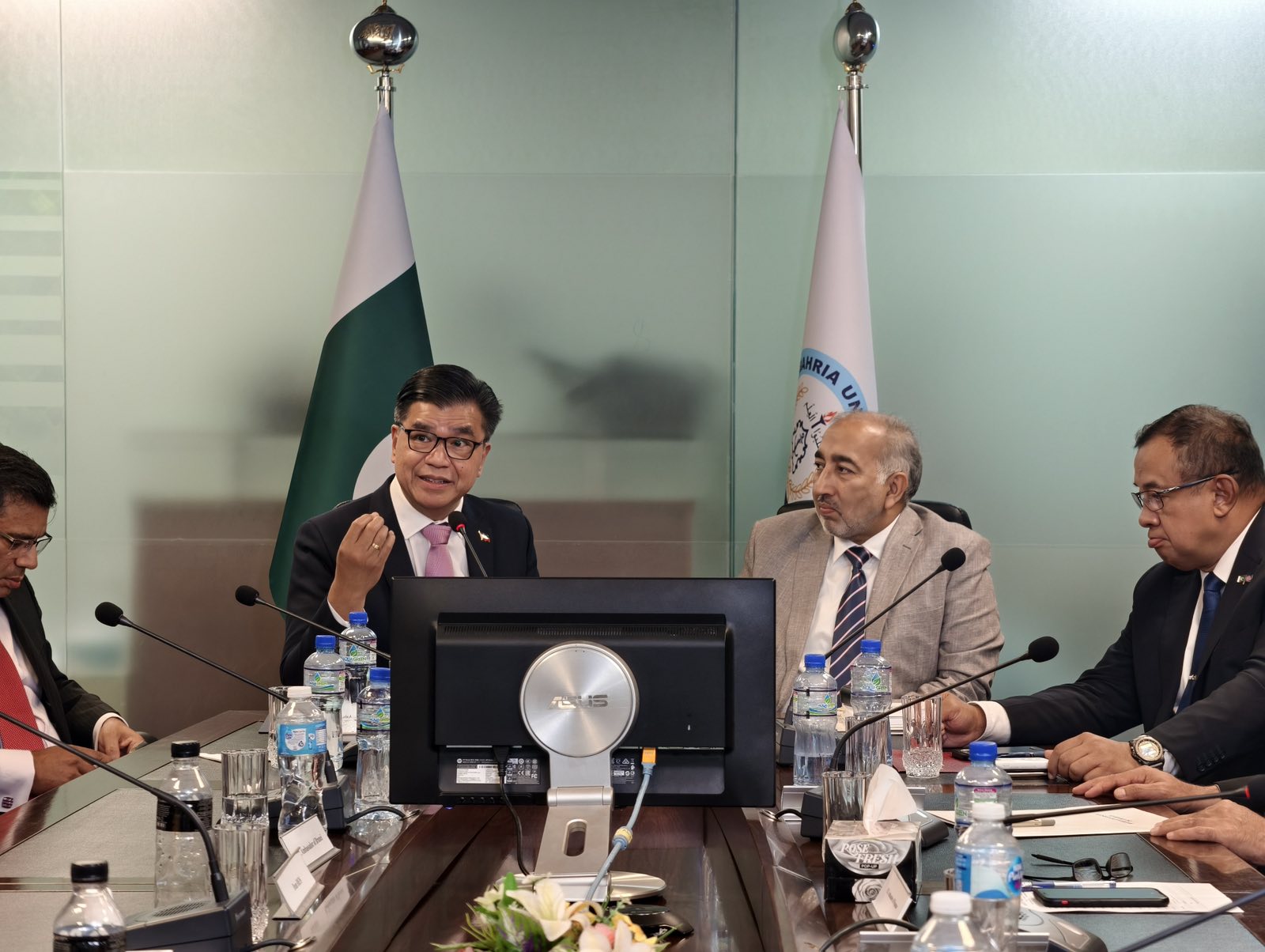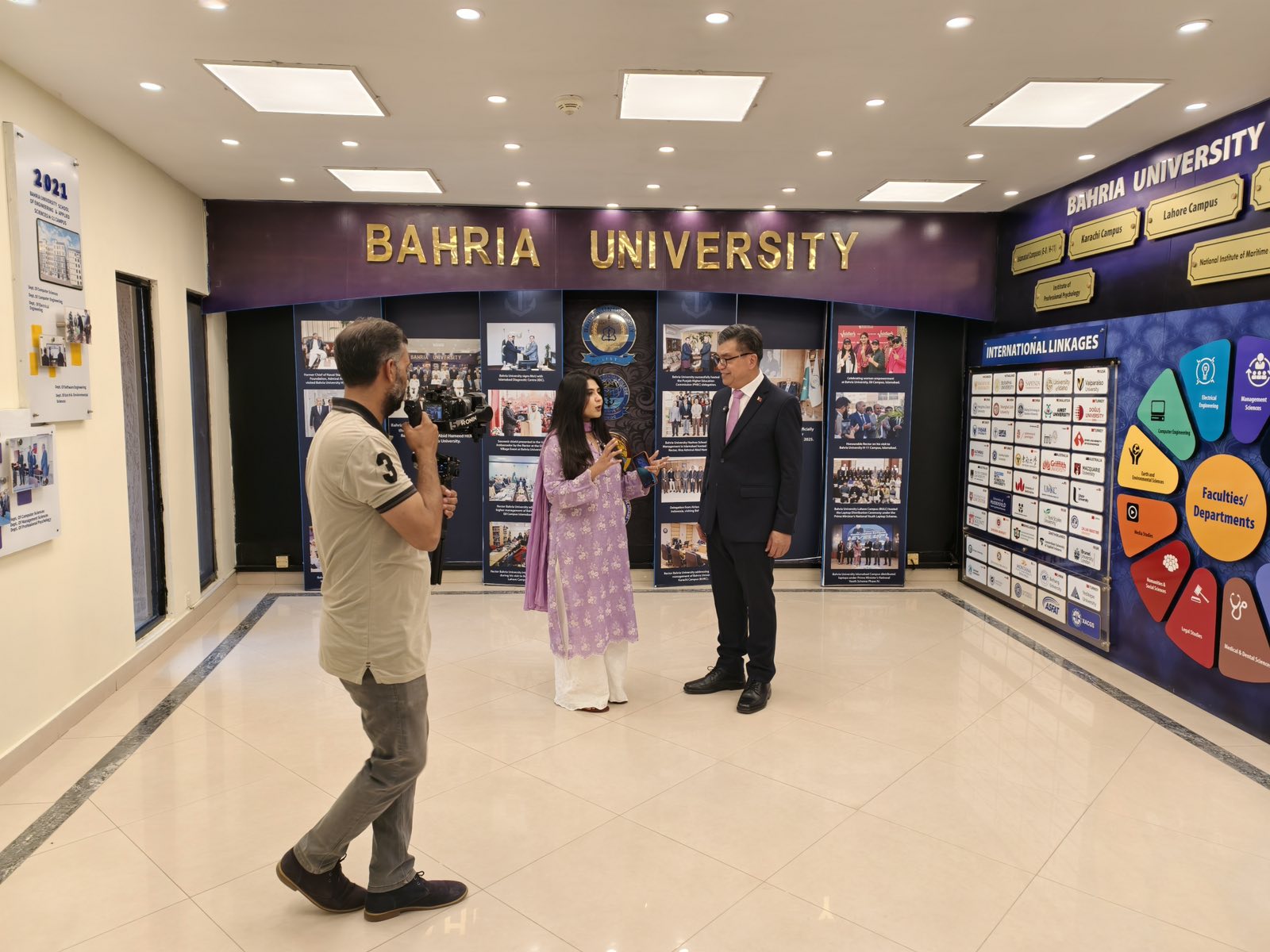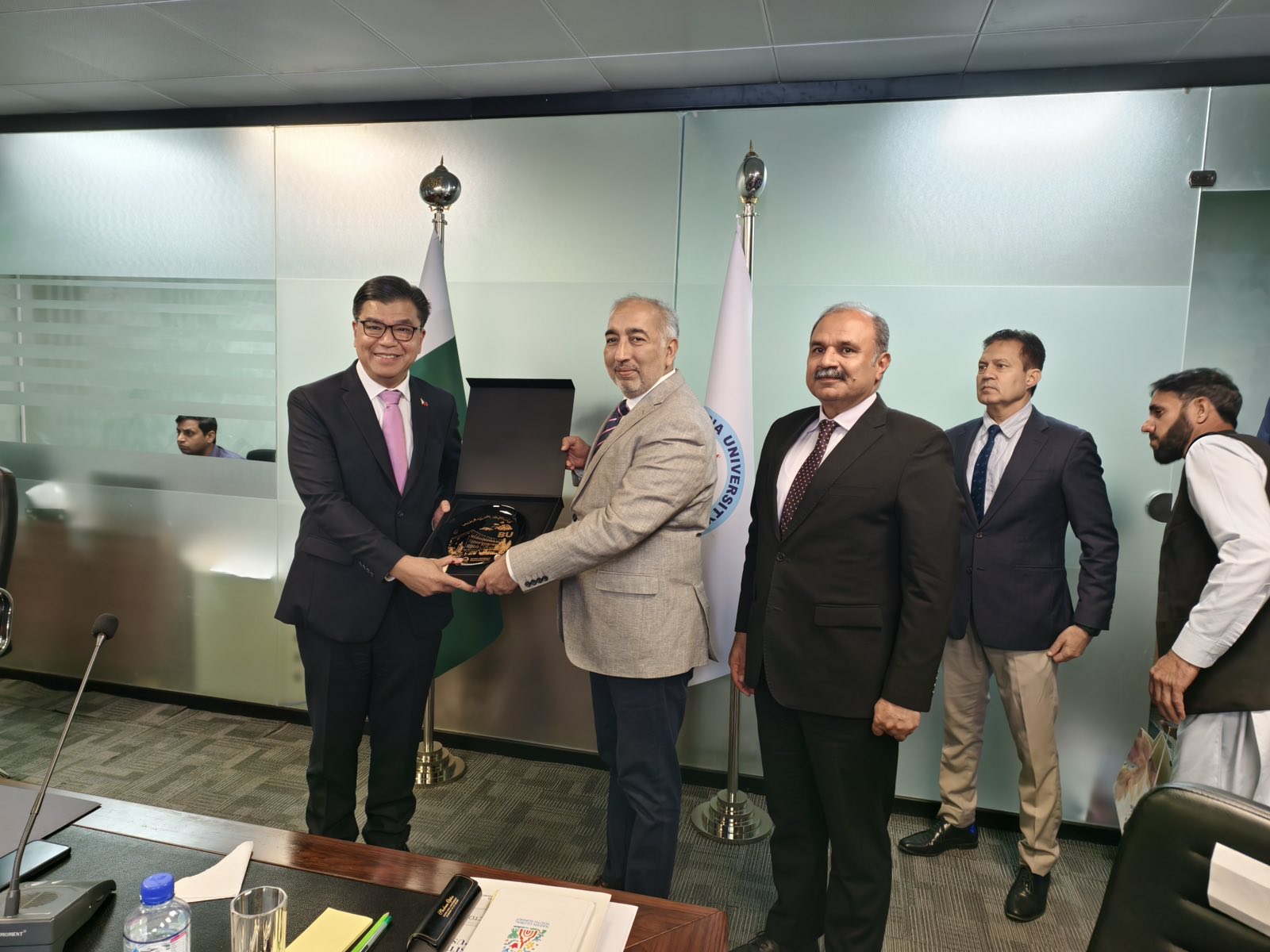

ISLAMABAD, 1 October 2026—The ASEAN Committee in Islamabad (ACI), under the Chairship of the Philippines, engaged students, faculty and officials of Bahria University during the Roundtable Conference “ASEAN: Navigating Our Future, Together” held at the University’s Islamabad campus on 1 October 2026.
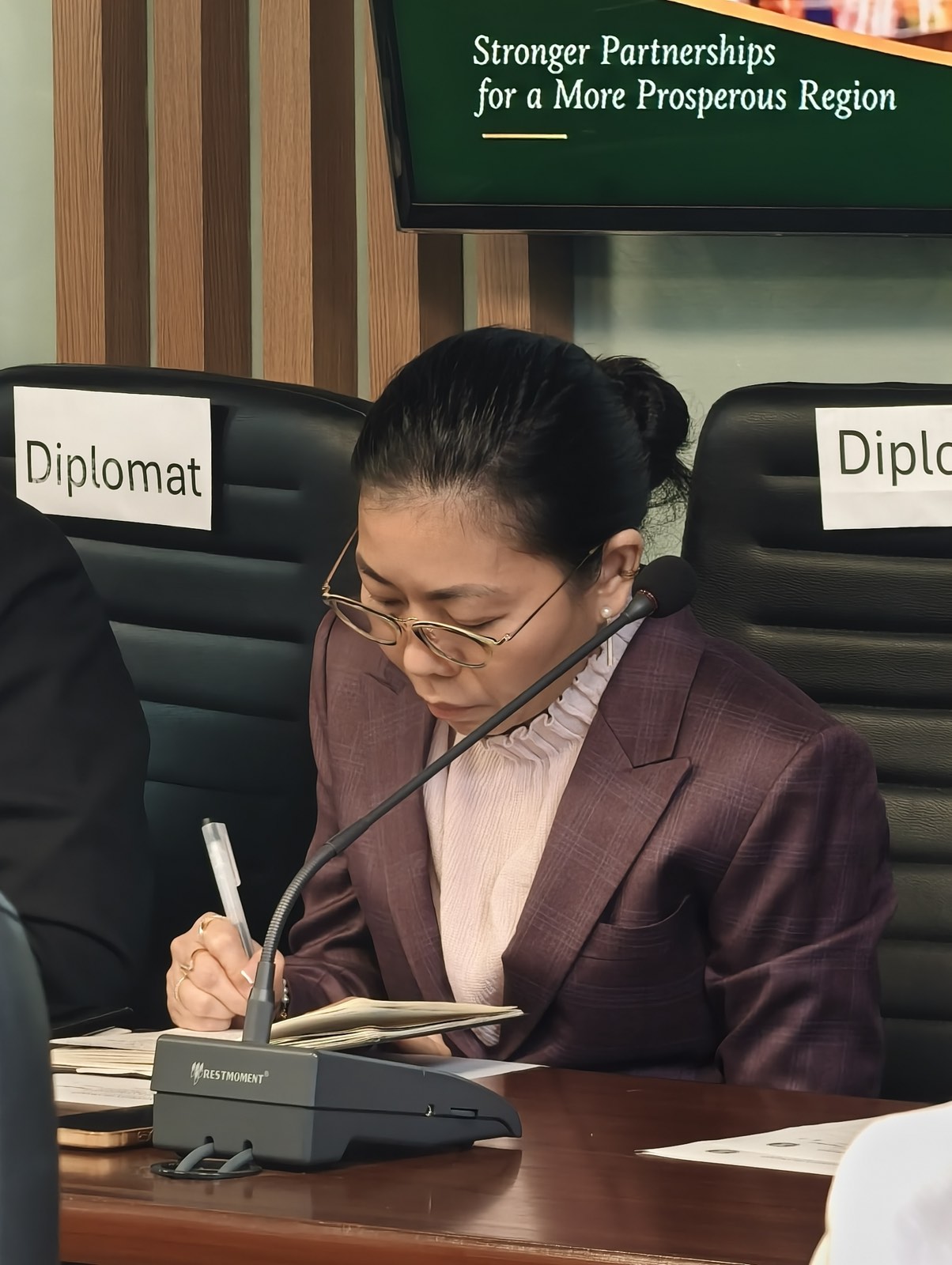
The Roundtable brought together representatives of the ASEAN diplomatic community and Bahria University to discuss ASEAN’s experience in regional cooperation, ASEAN centrality and strategic autonomy, the changing Indo-Pacific environment, economic integration, and opportunities for stronger ASEAN–Pakistan cooperation.
The activity reflected the Roundtable’s focus on “Dialogue | Cooperation | Sustainable Growth” and provided for interventions by ASEAN representatives followed by an interactive discussion with students and faculty.
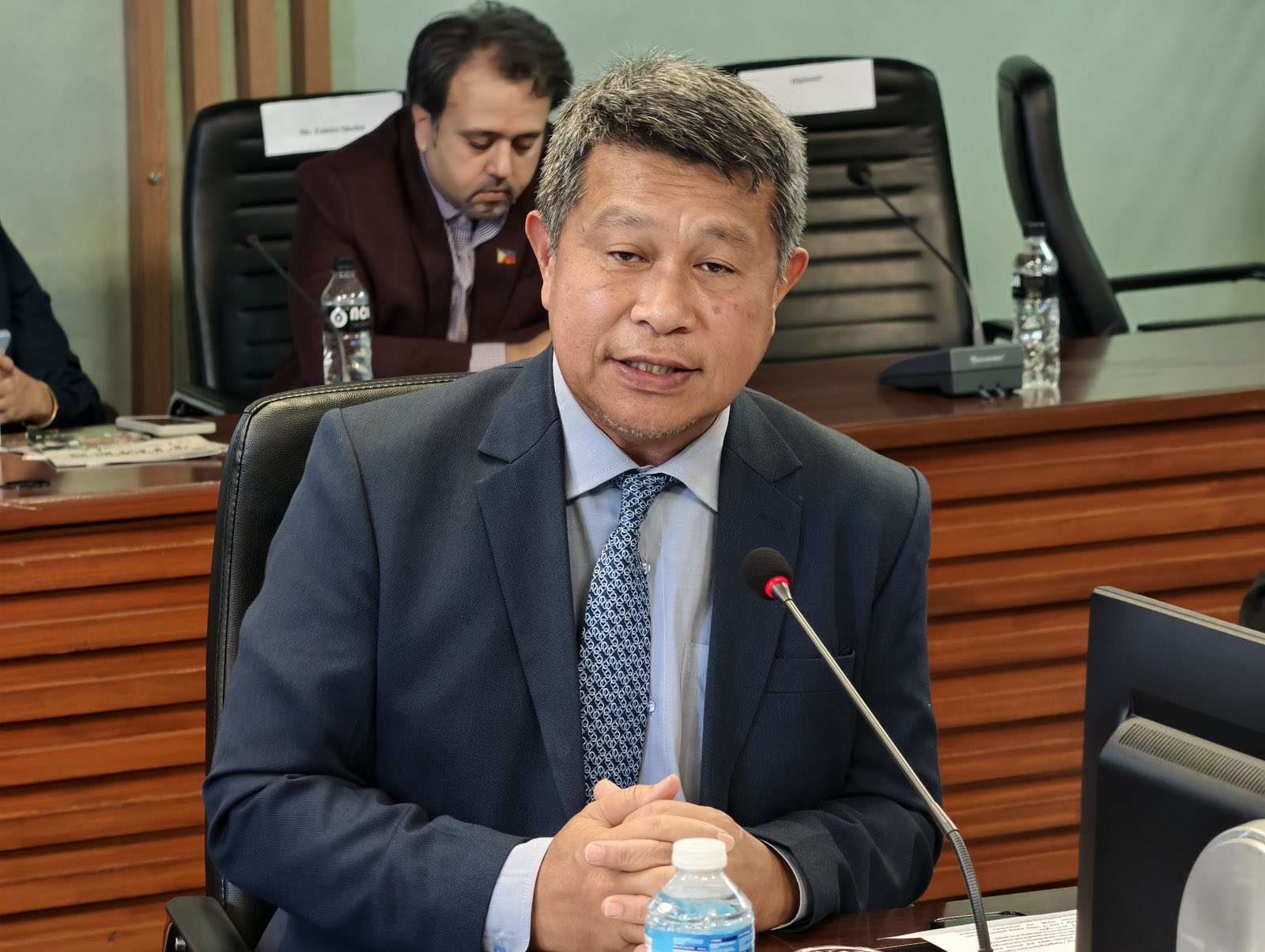
Philippine Ambassador and current ACI Chair H.E. Dr. Emmanuel R. Fernandez highlighted ASEAN’s nearly six decades of experience in bringing together countries with diverse histories, cultures, political systems and economic circumstances through dialogue, consensus, mutual respect and cooperation.
Ambassador Fernandez described the “ASEAN Way” as an experience worth studying at a time of increasing geopolitical competition and international conflict. He emphasized that differences among countries need not prevent cooperation and that security and prosperity are strengthened when countries continue to engage one another and pursue common interests.
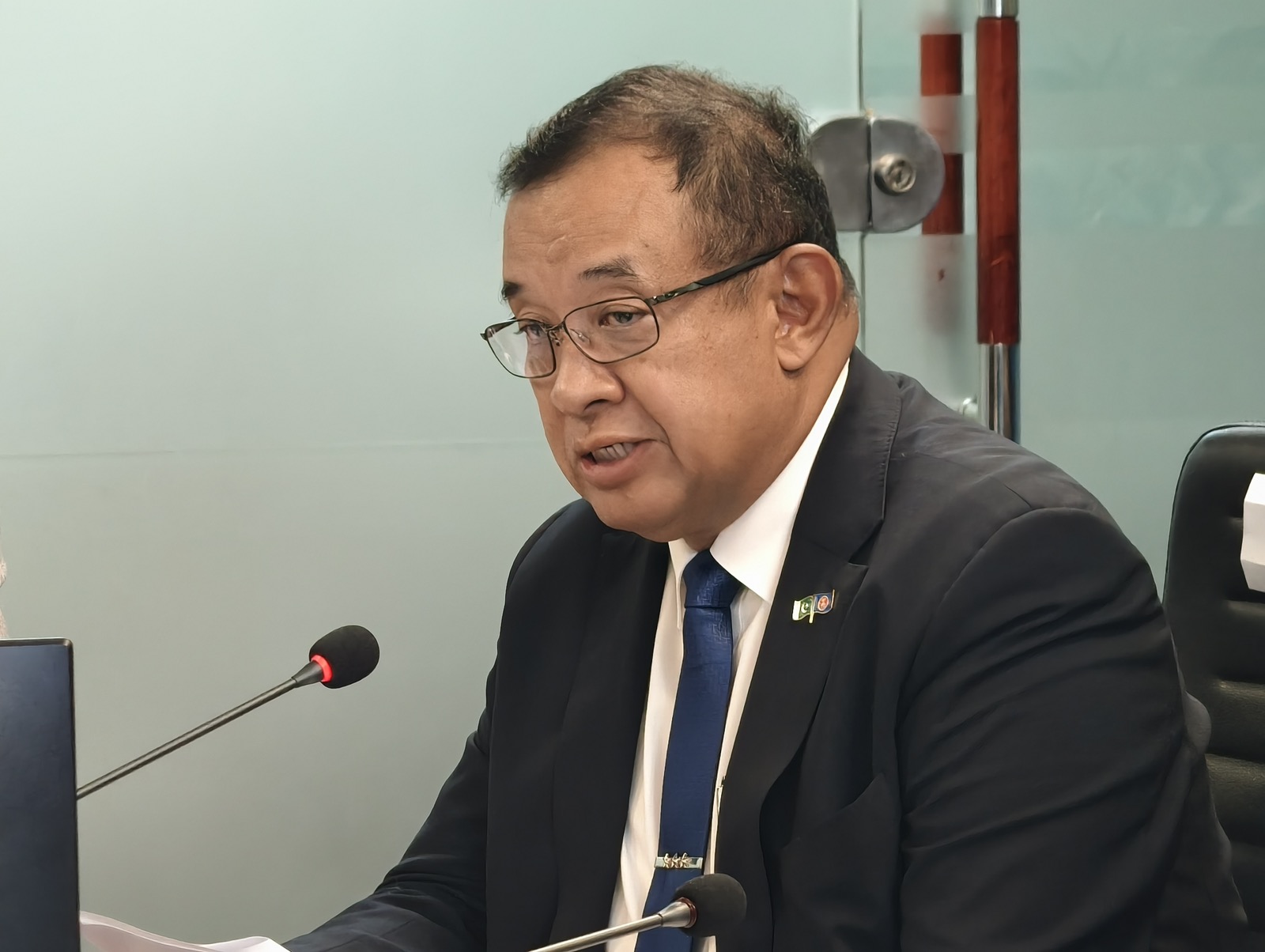
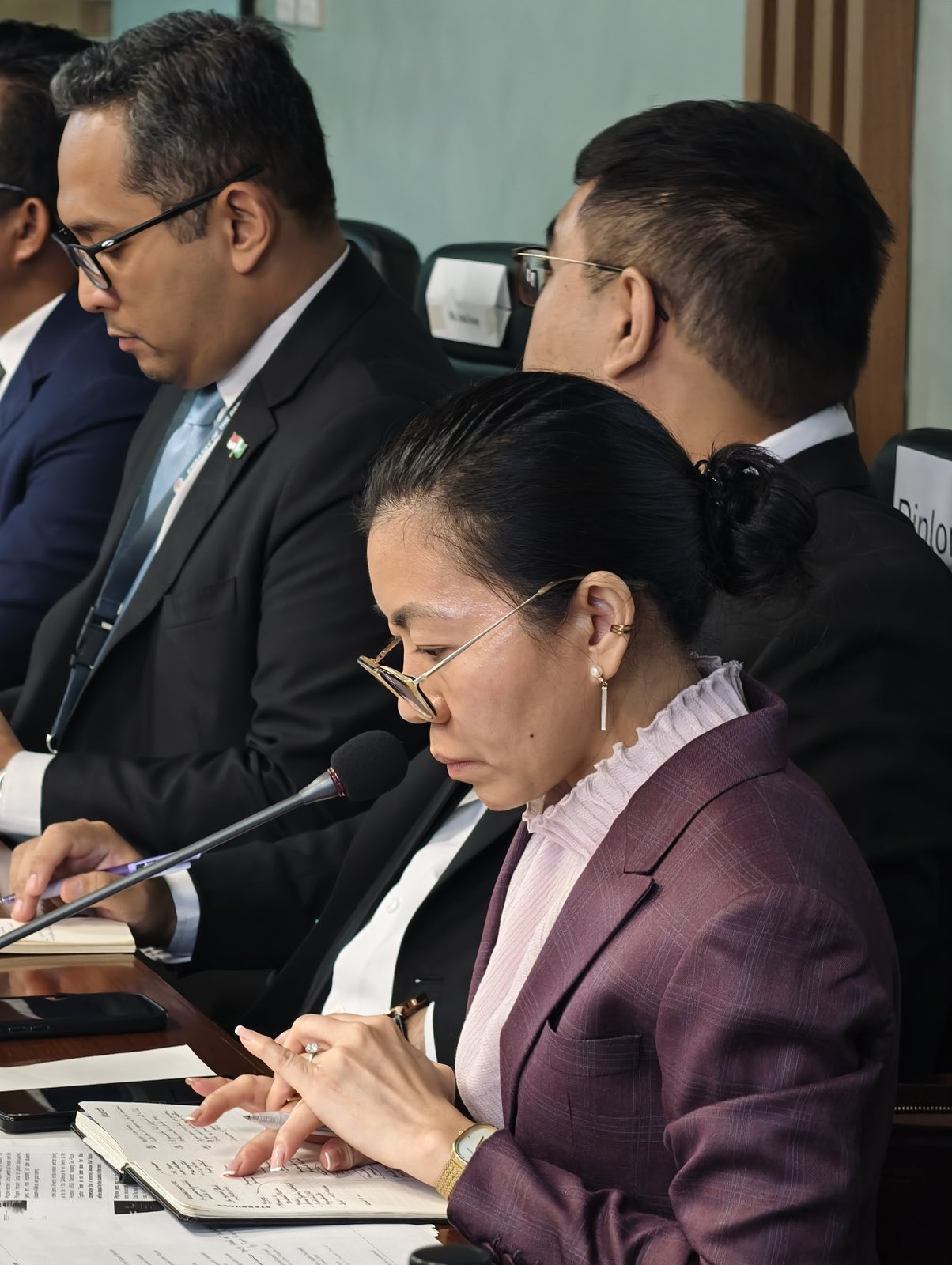
Representatives of Brunei Darussalam, Indonesia, Malaysia, Myanmar, Thailand and Viet Nam shared their respective perspectives on ASEAN’s development and the importance of unity, regional cooperation, strategic autonomy, economic integration and people-to-people connectivity.
The ASEAN representatives also discussed opportunities to deepen relations with Pakistan in trade and investment, digital transformation, the halal economy, science and technology, tourism, maritime cooperation, climate resilience, food and energy security, education and research—areas likewise identified by Bahria University as having considerable potential for ASEAN–Pakistan cooperation.
Bahria University Rector Vice Admiral Abid Hameed, HI(M) highlighted the important role universities can play in translating international dialogue into practical cooperation. Among the possibilities discussed were student and faculty exchanges, visiting scholars, joint research and laboratories, university-to-university partnerships, academic conferences and greater interaction among young people in Pakistan and ASEAN.
University officials also presented Bahria University’s work in artificial intelligence, digital learning, maritime and environmental studies and other areas where future collaboration with ASEAN academic institutions could be explored.
The interaction with students generated substantive discussions on ASEAN centrality, U.S.–China strategic competition, strategic autonomy, regional peace and the relevance of ASEAN’s consensus-based approach to contemporary international relations.
Addressing the students, Ambassador Fernandez encouraged young people to study Southeast Asia and the wider Indo-Pacific, undertake serious research and continue asking questions about the rapidly changing international environment.
He emphasized that the future of ASEAN–Pakistan relations will depend not only on governments and diplomats but also on the relationships developed among their students, educators, researchers, entrepreneurs and future leaders.
The Roundtable was designed to promote academic and intellectual exchange between ASEAN diplomatic missions and Pakistani universities and to identify practical opportunities for longer-term institutional cooperation.
The engagement forms part of the ACI’s continuing efforts under the Philippine Chairship to bring ASEAN closer to different sectors of Pakistani society and advance the Chairship’s priorities of Peace and Security, Shared Prosperity, and People Empowerment. END