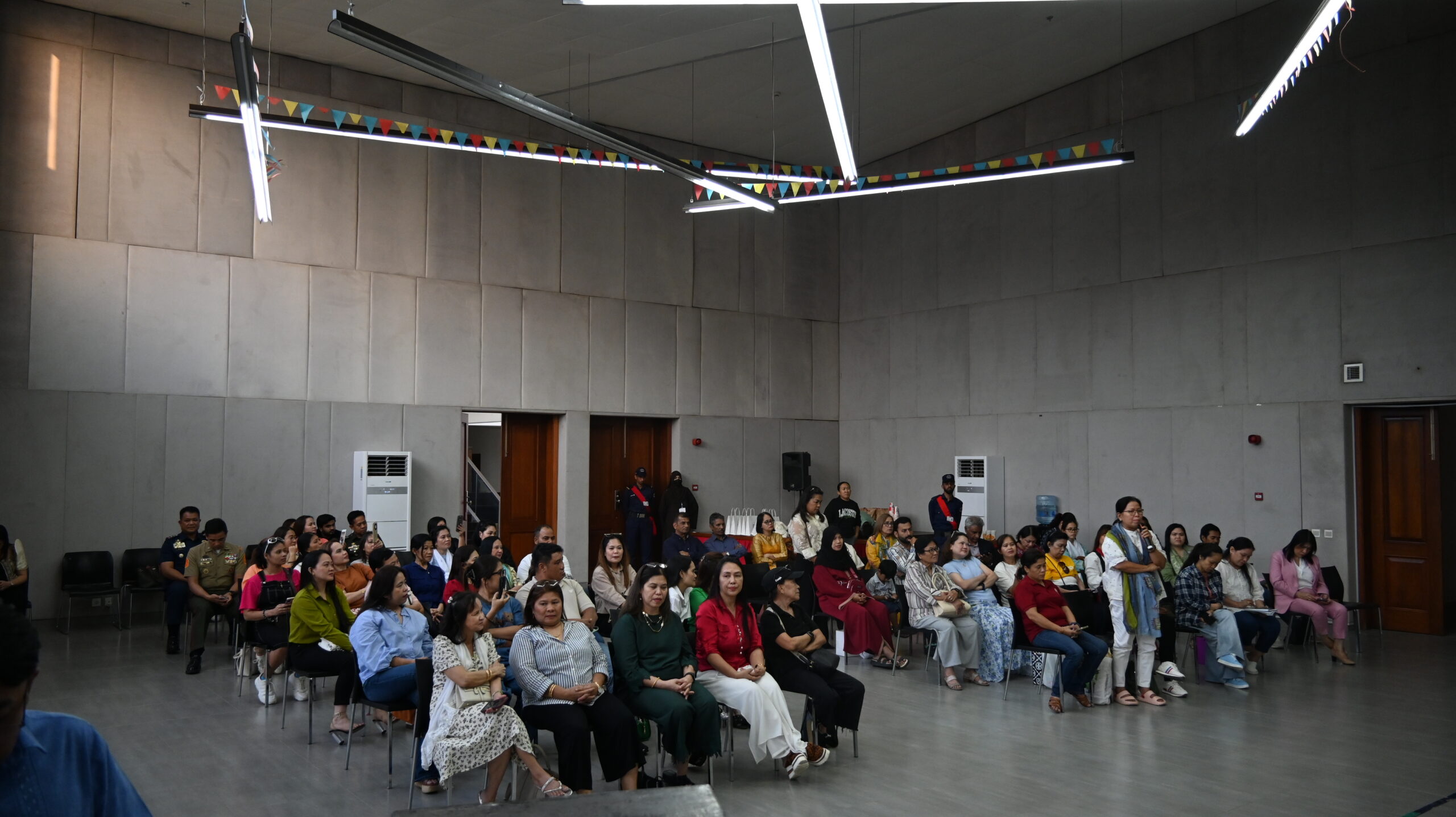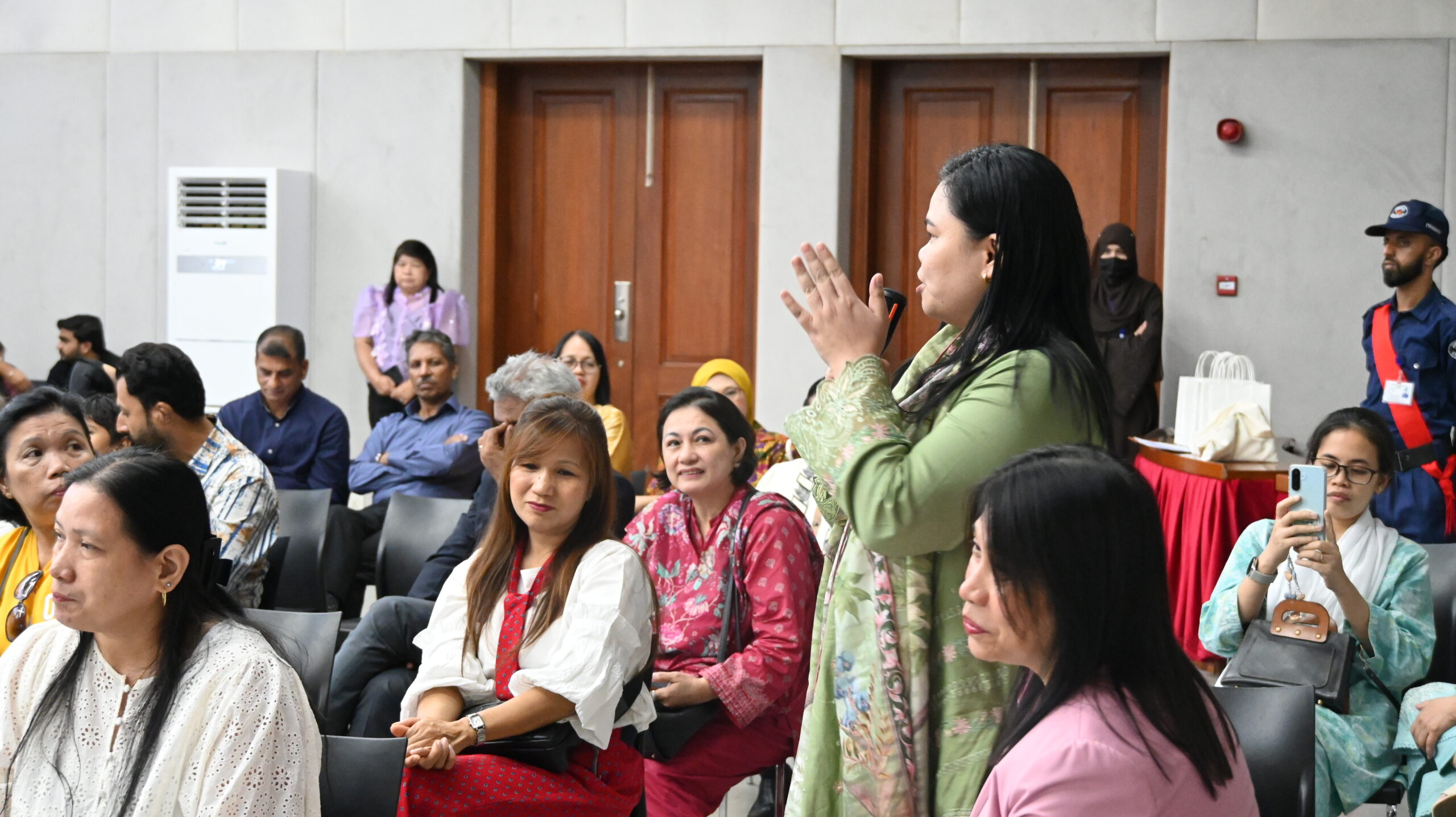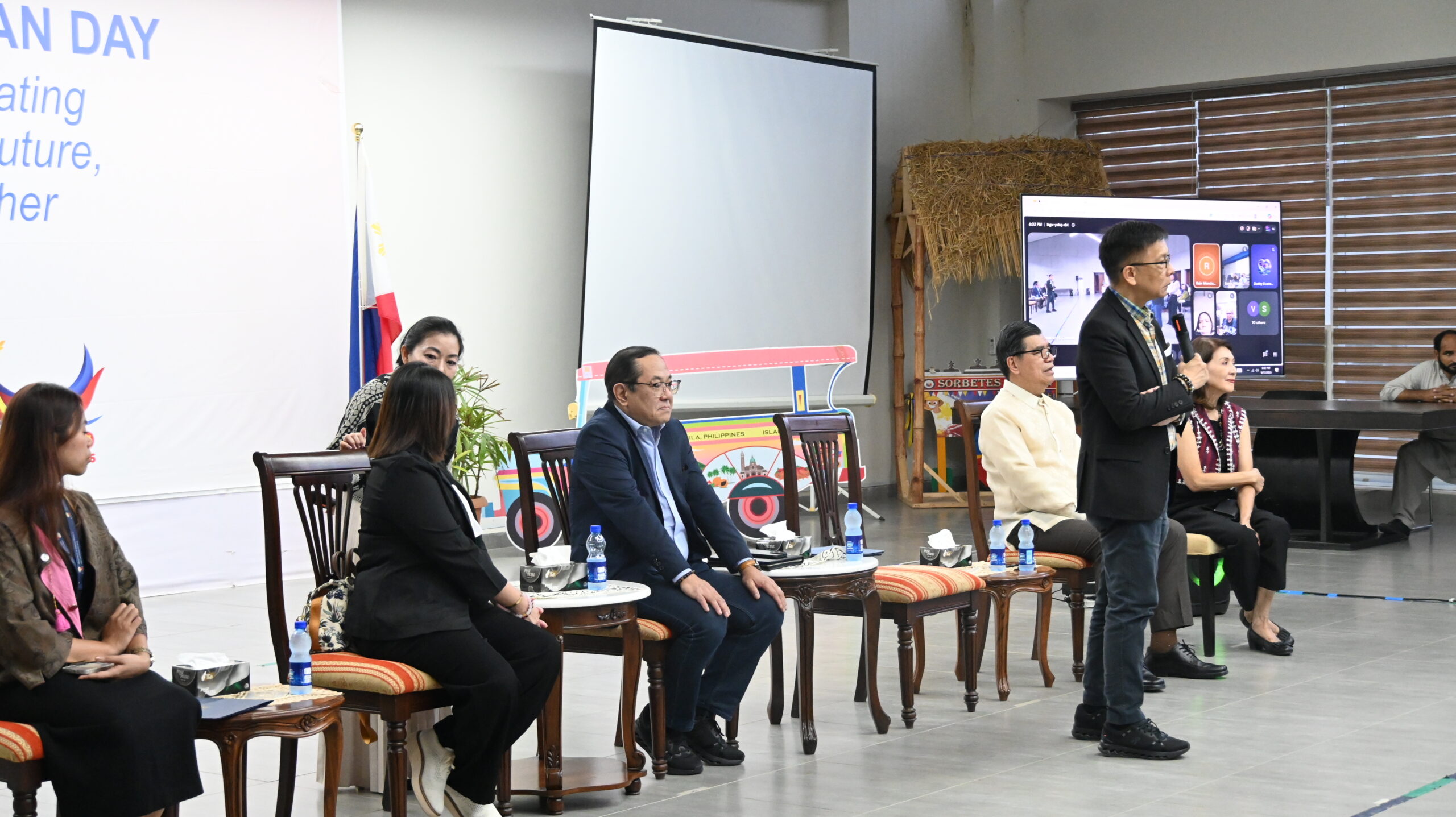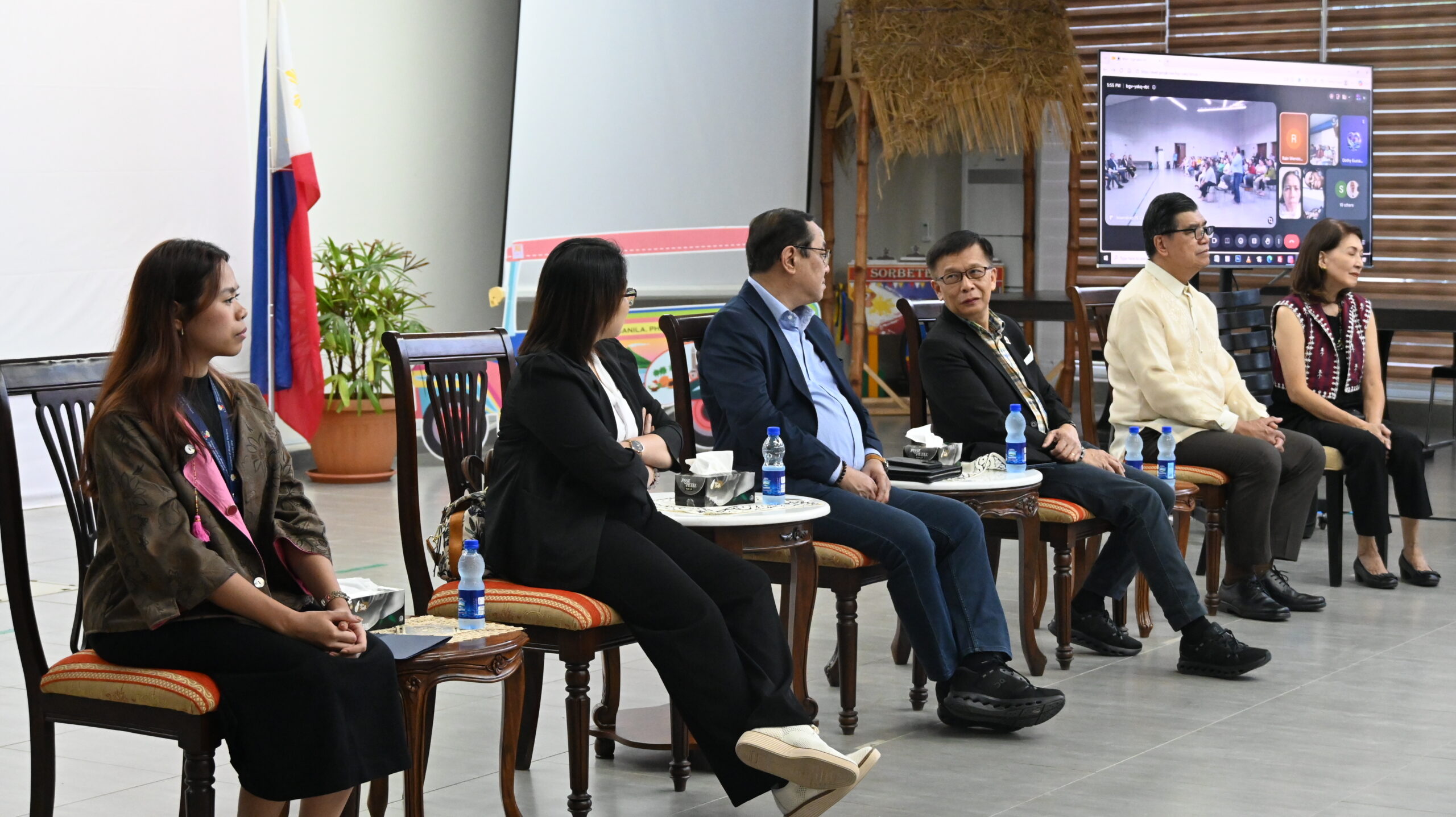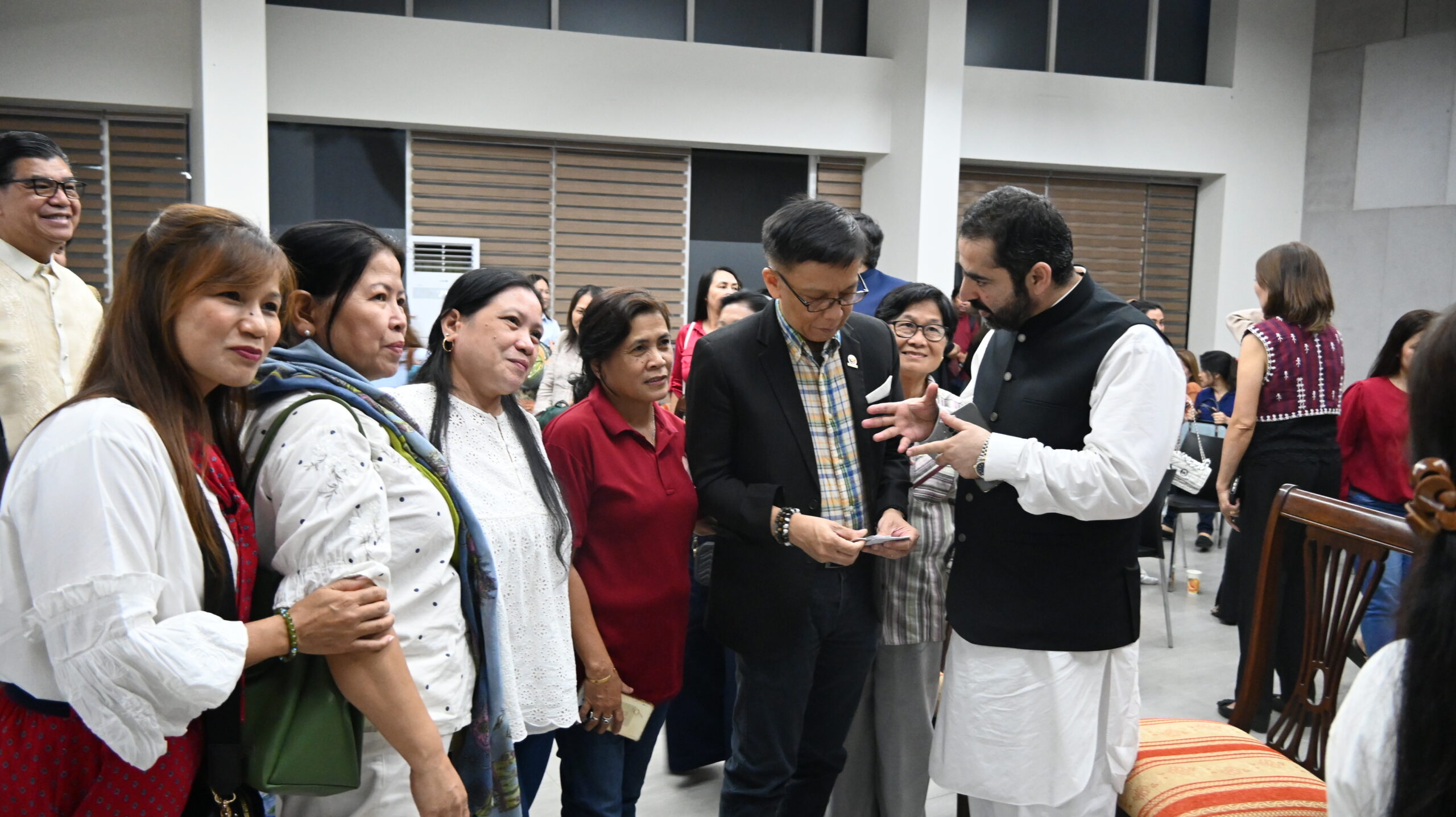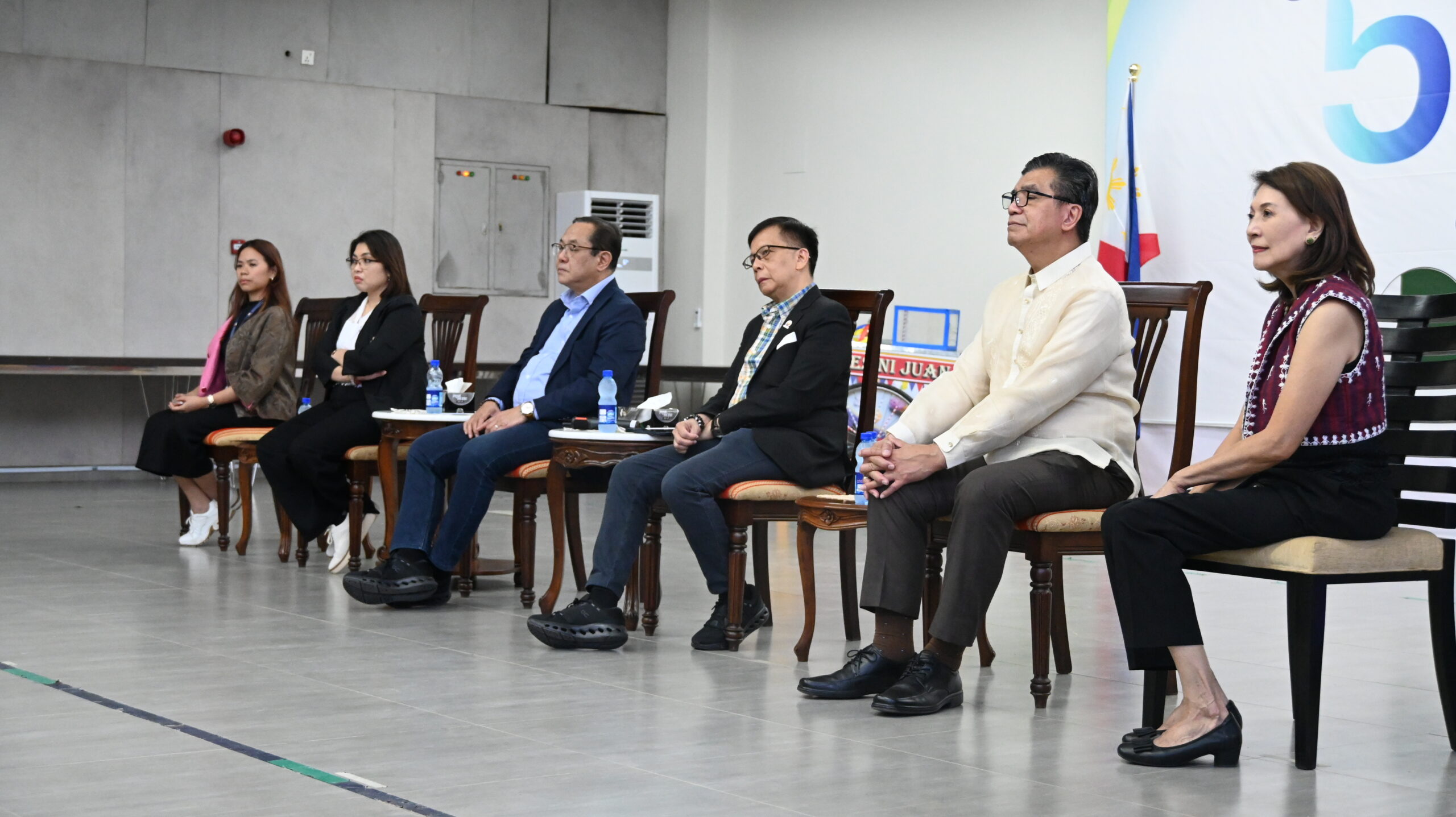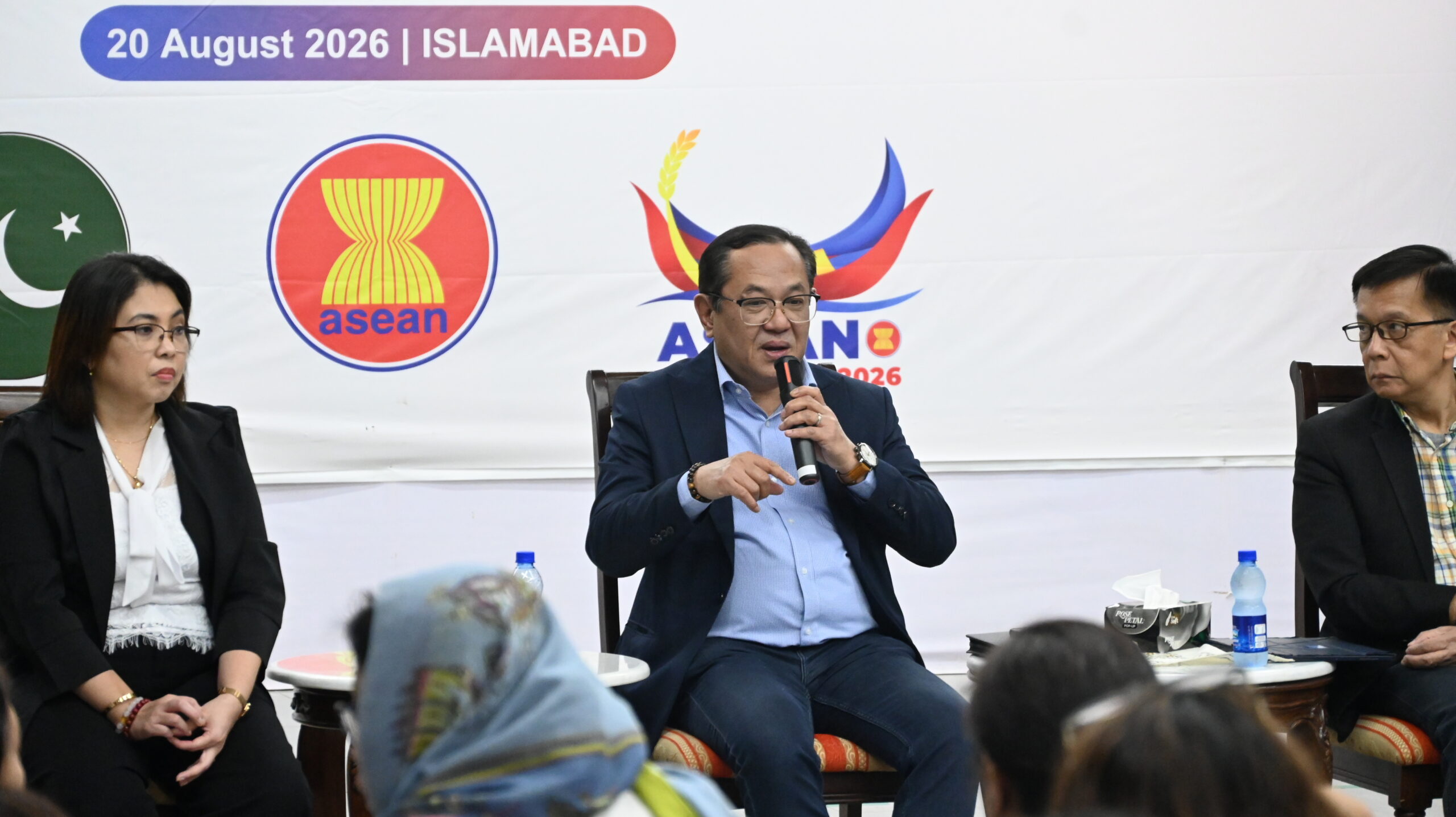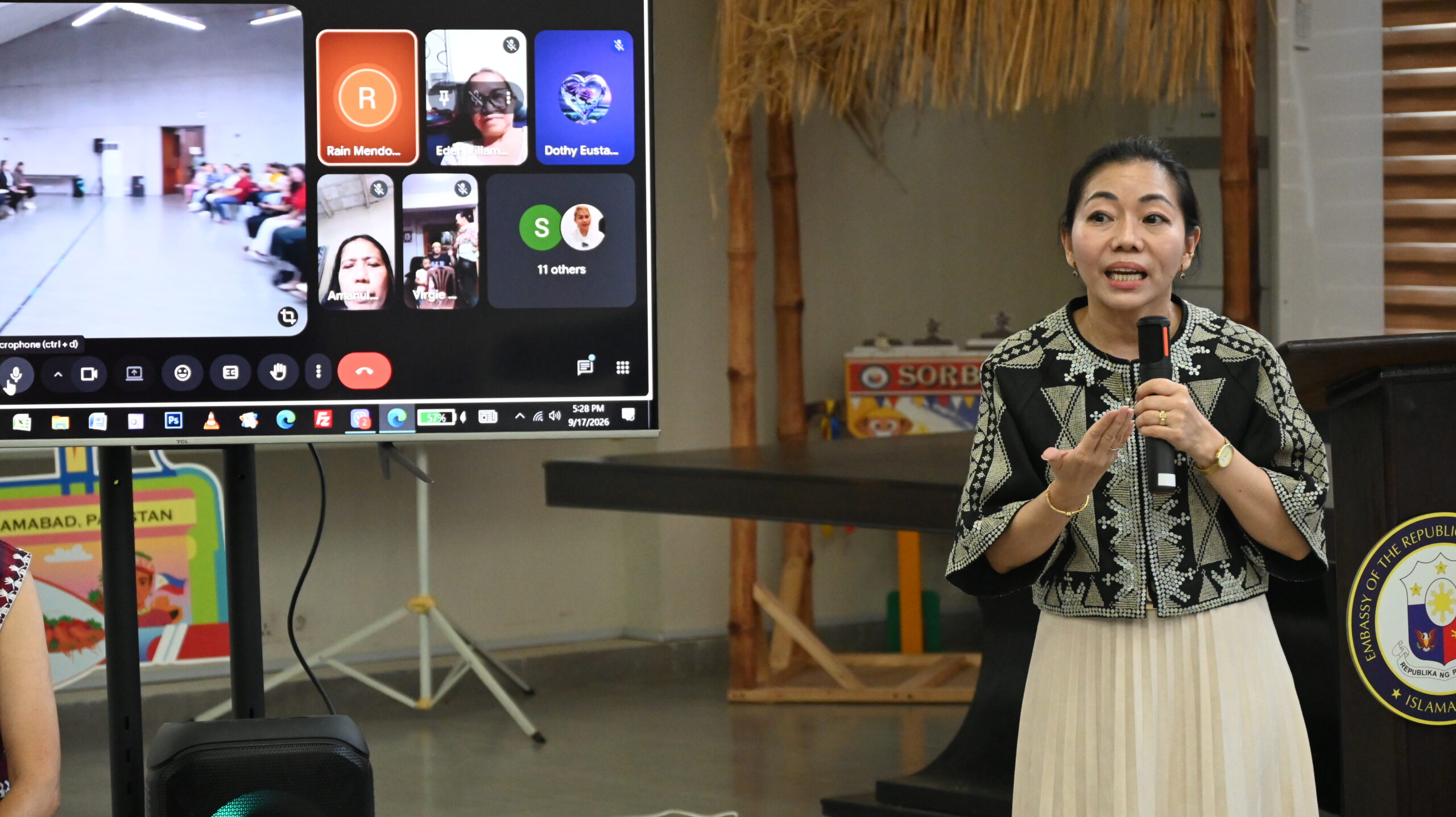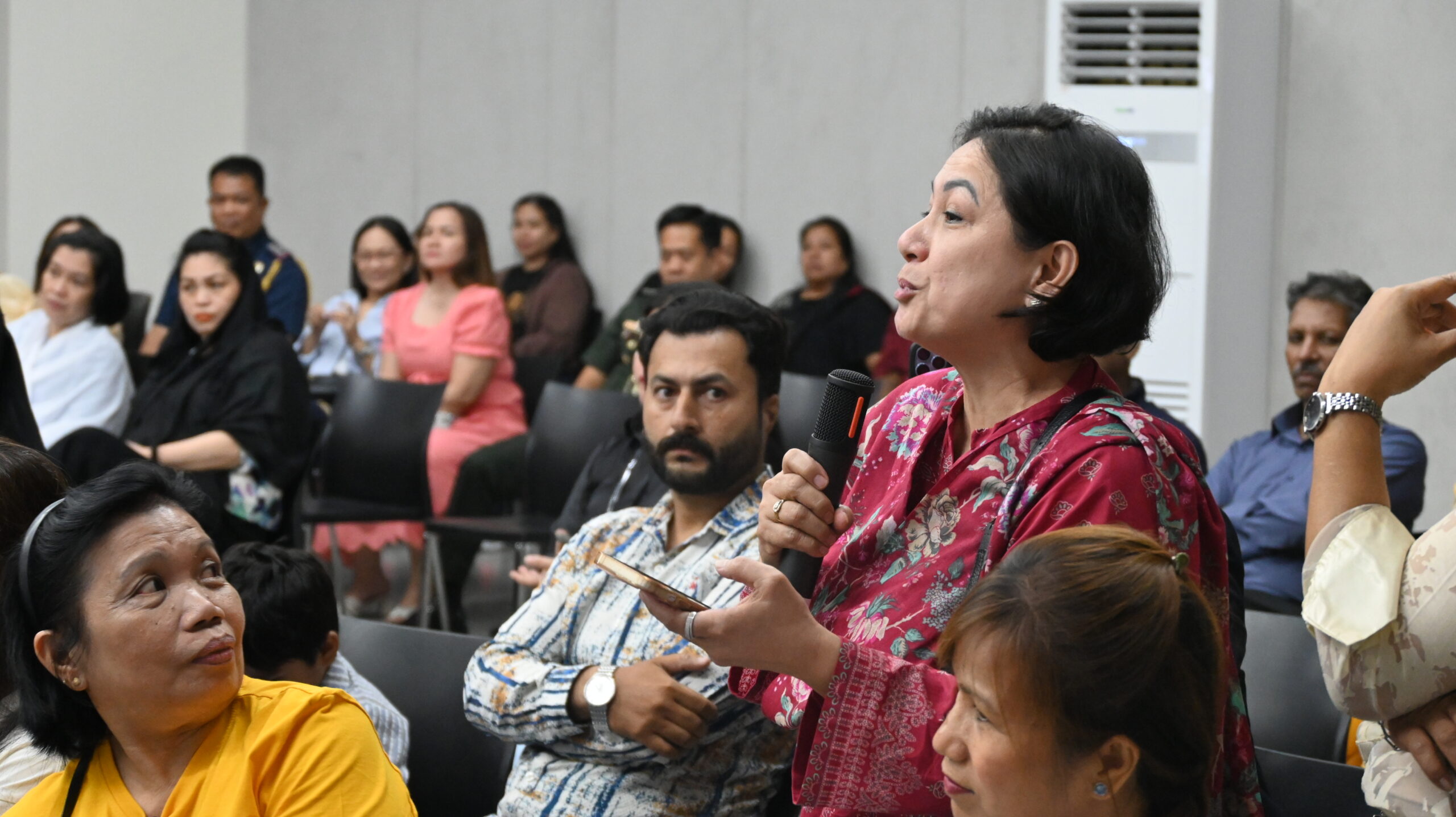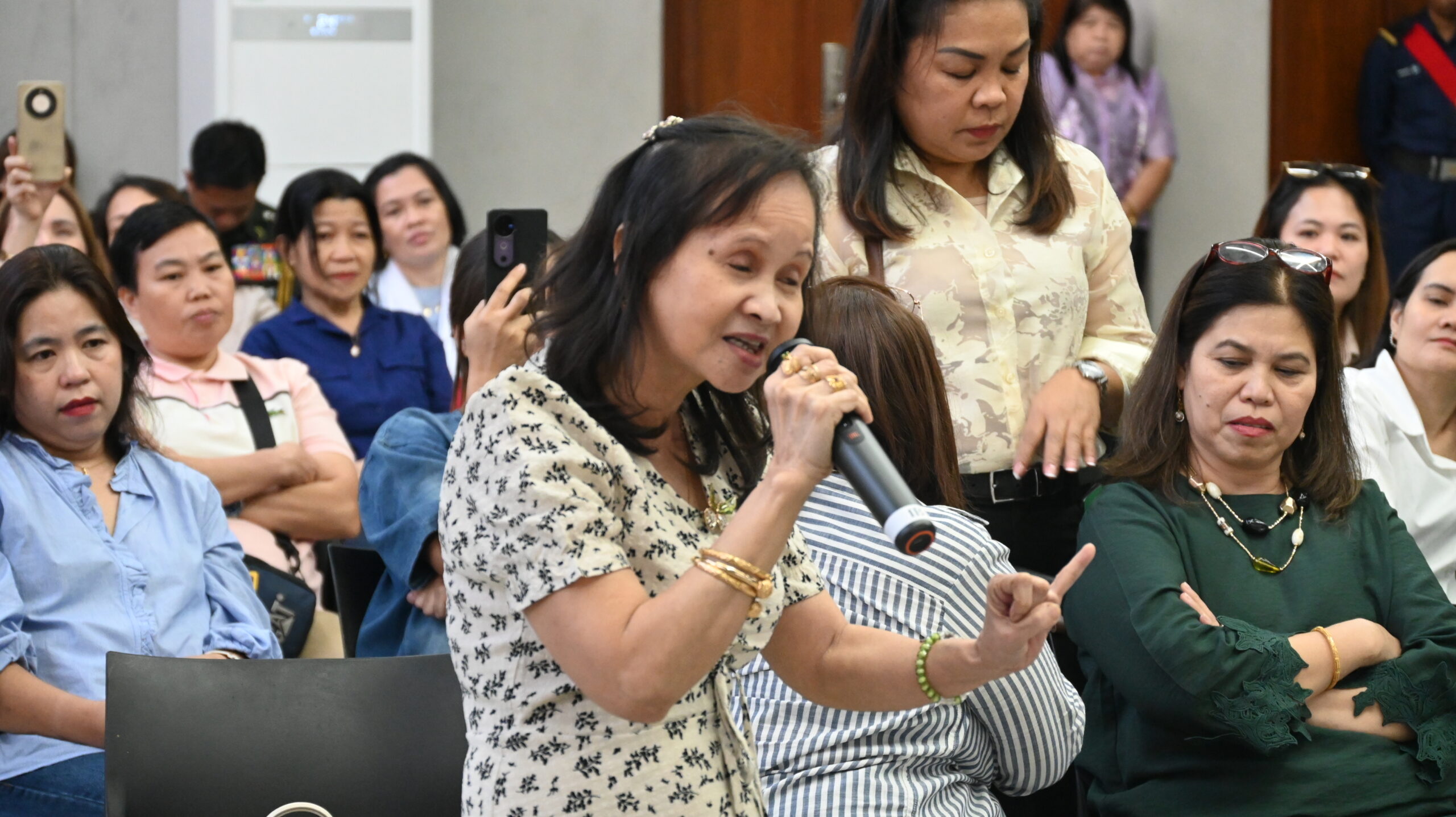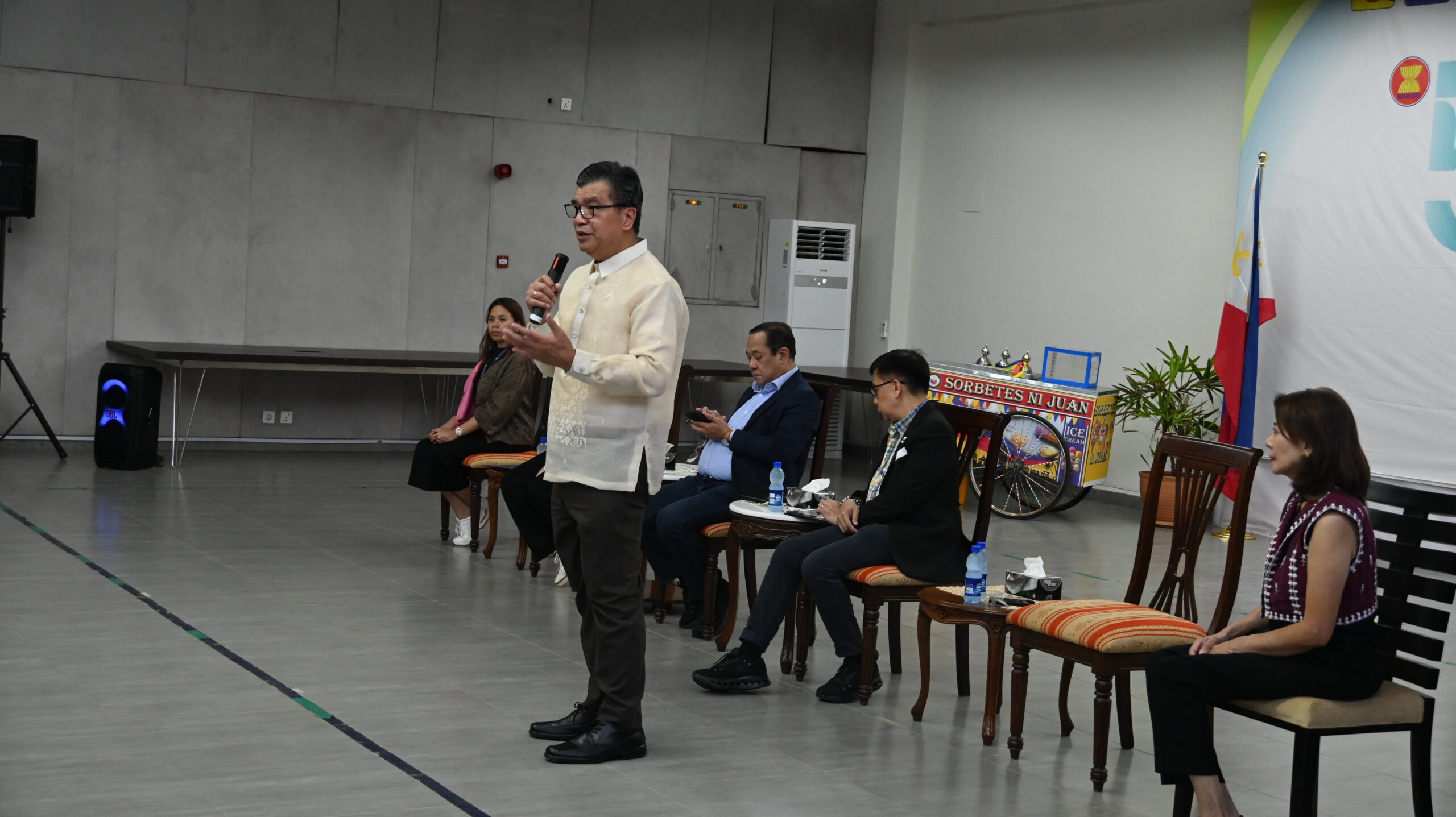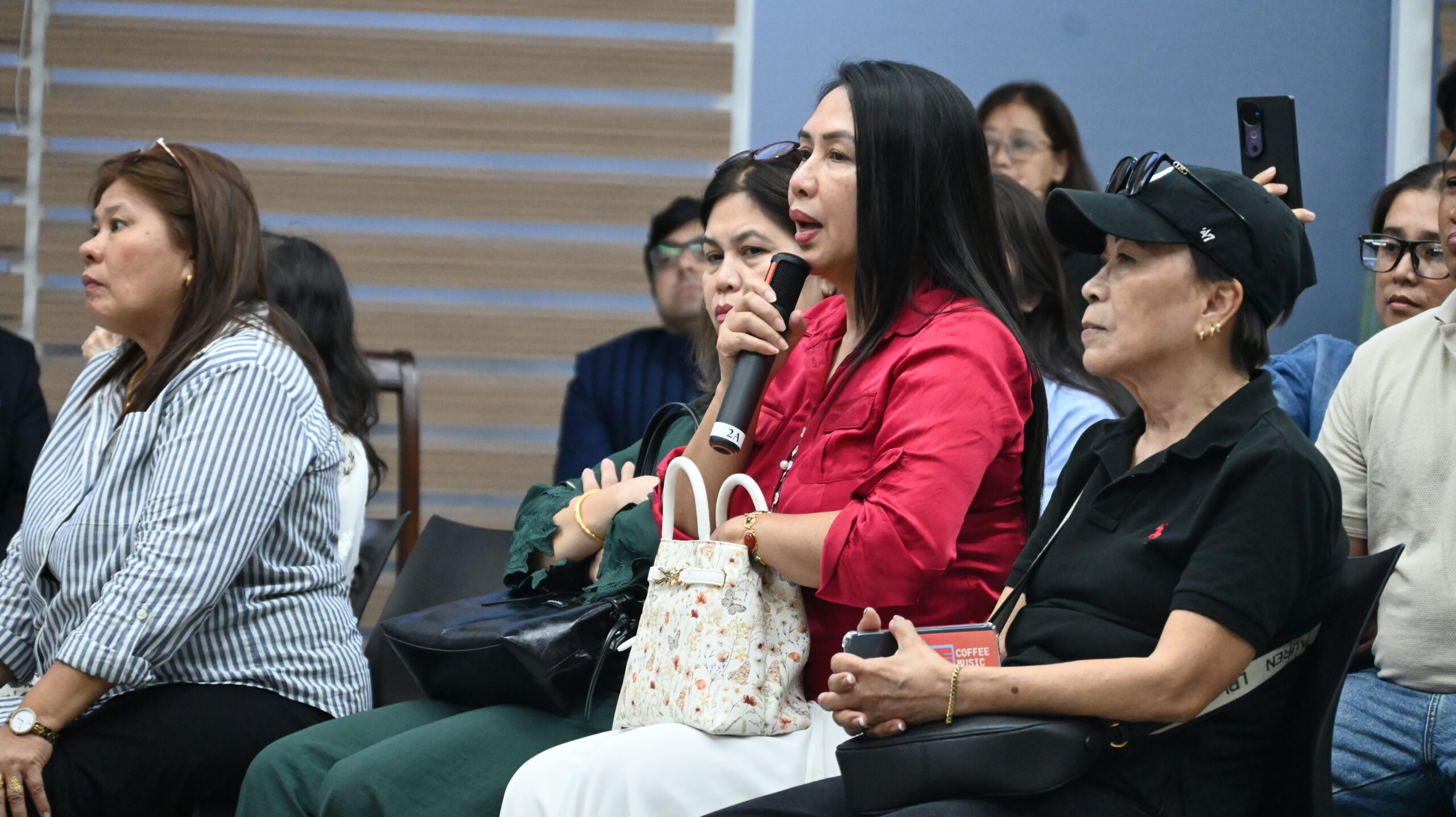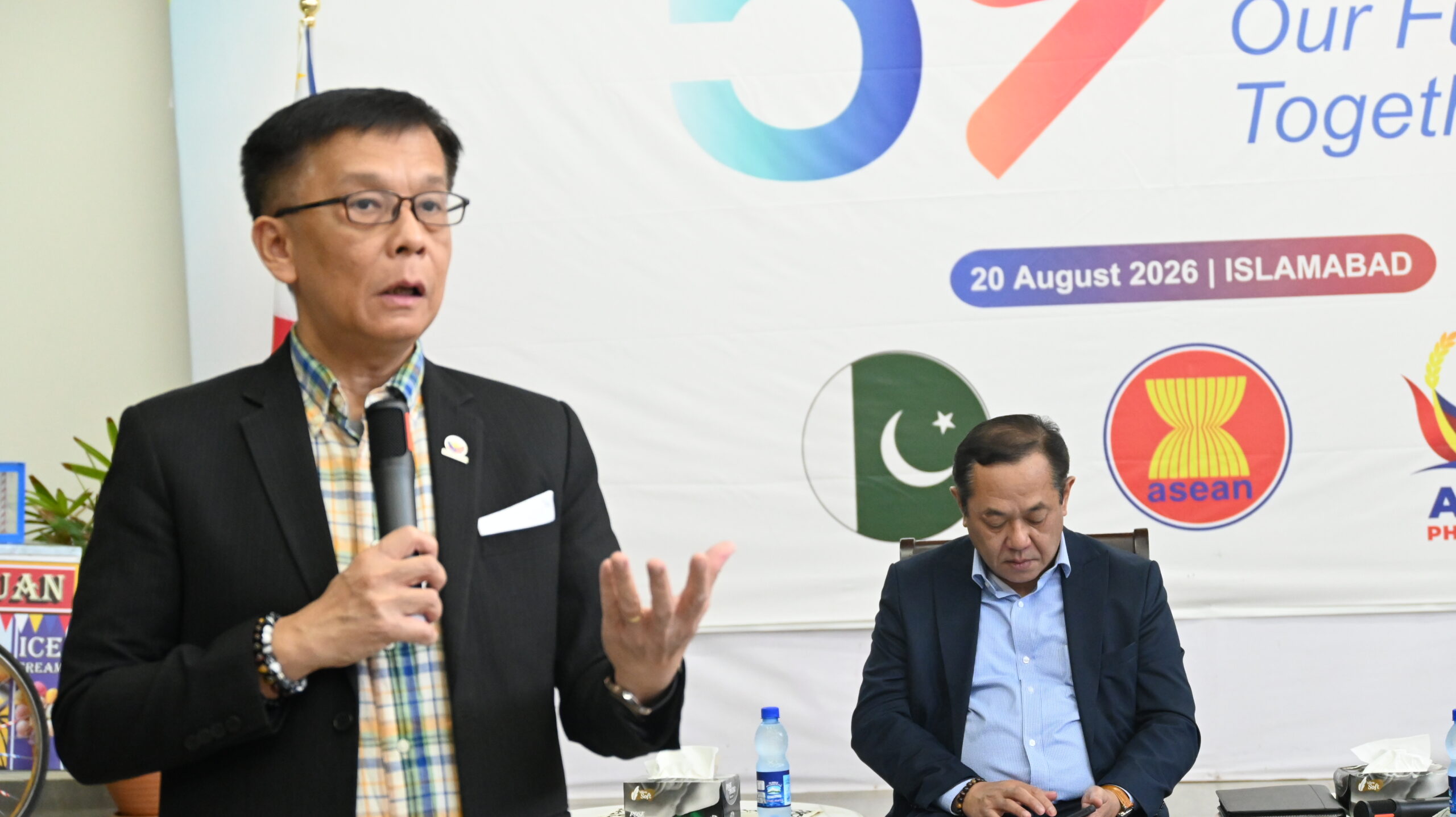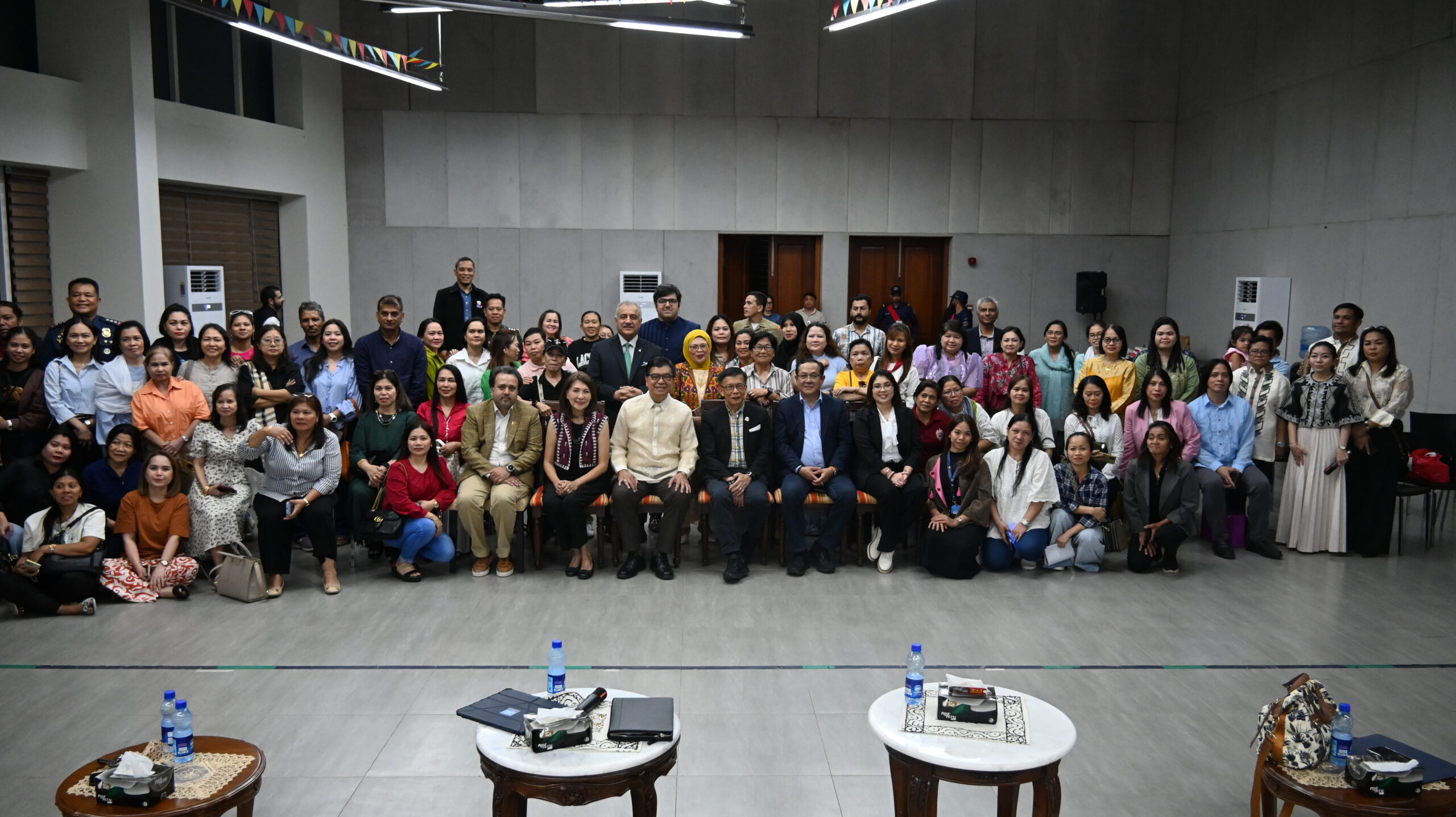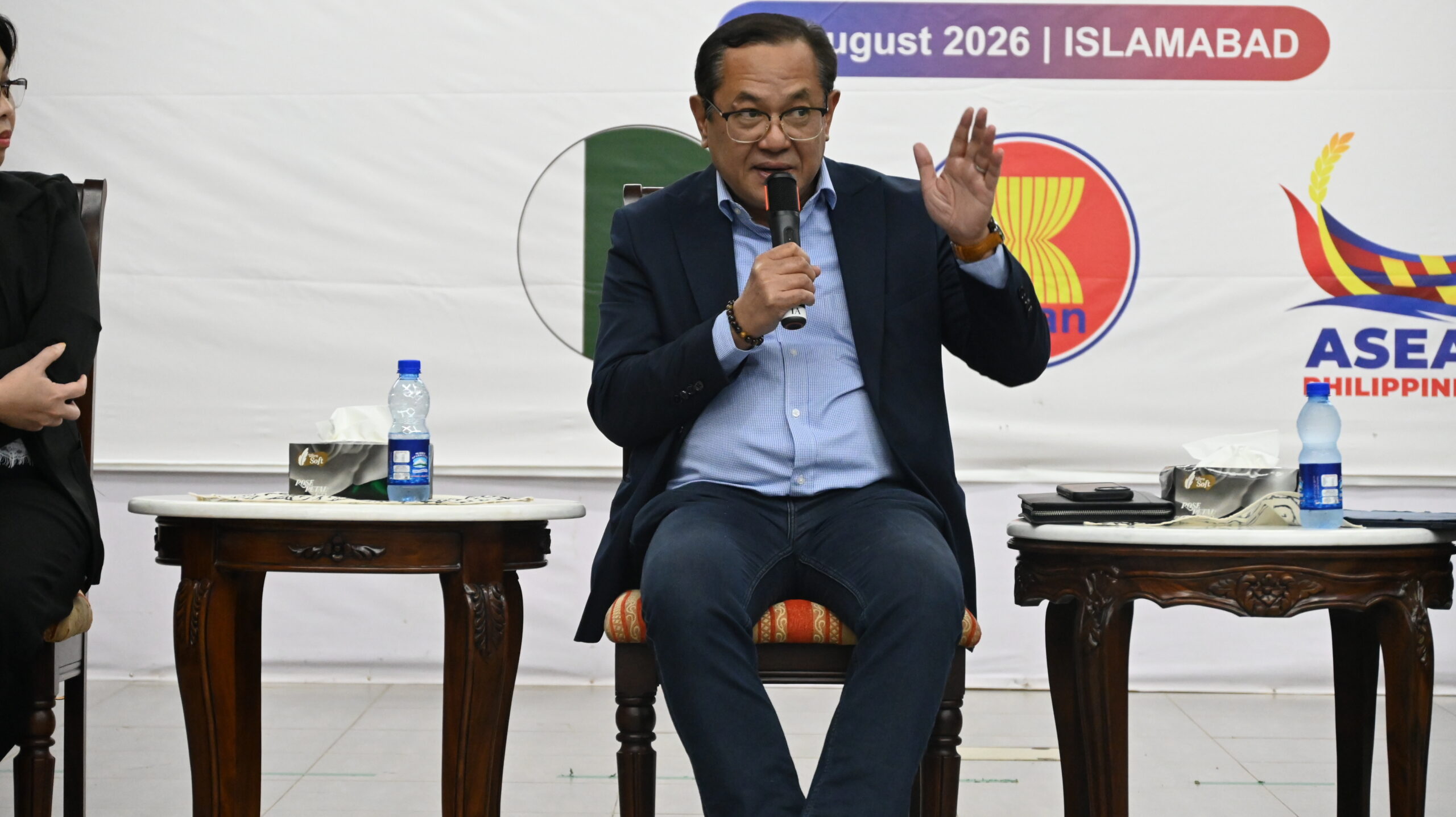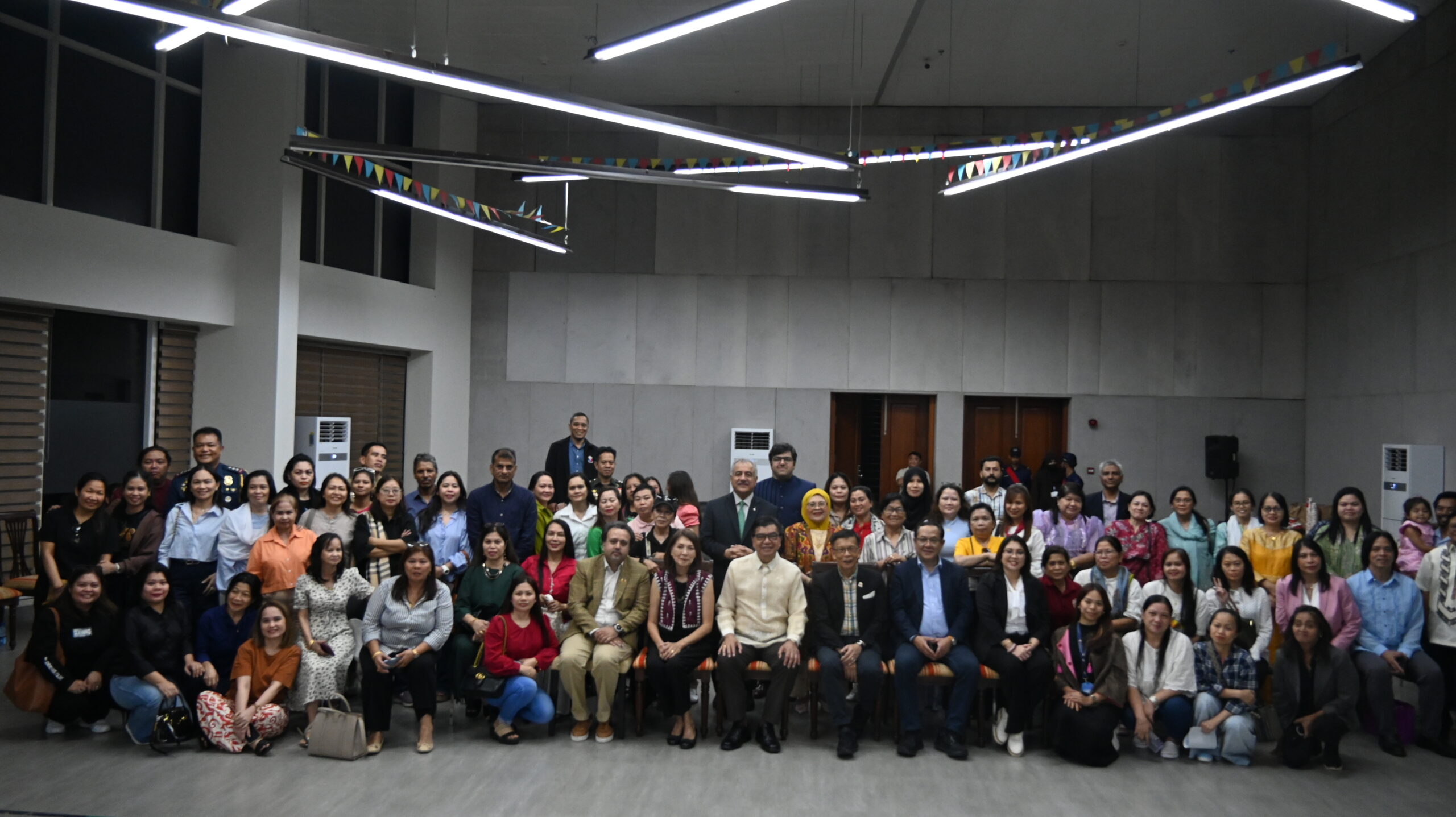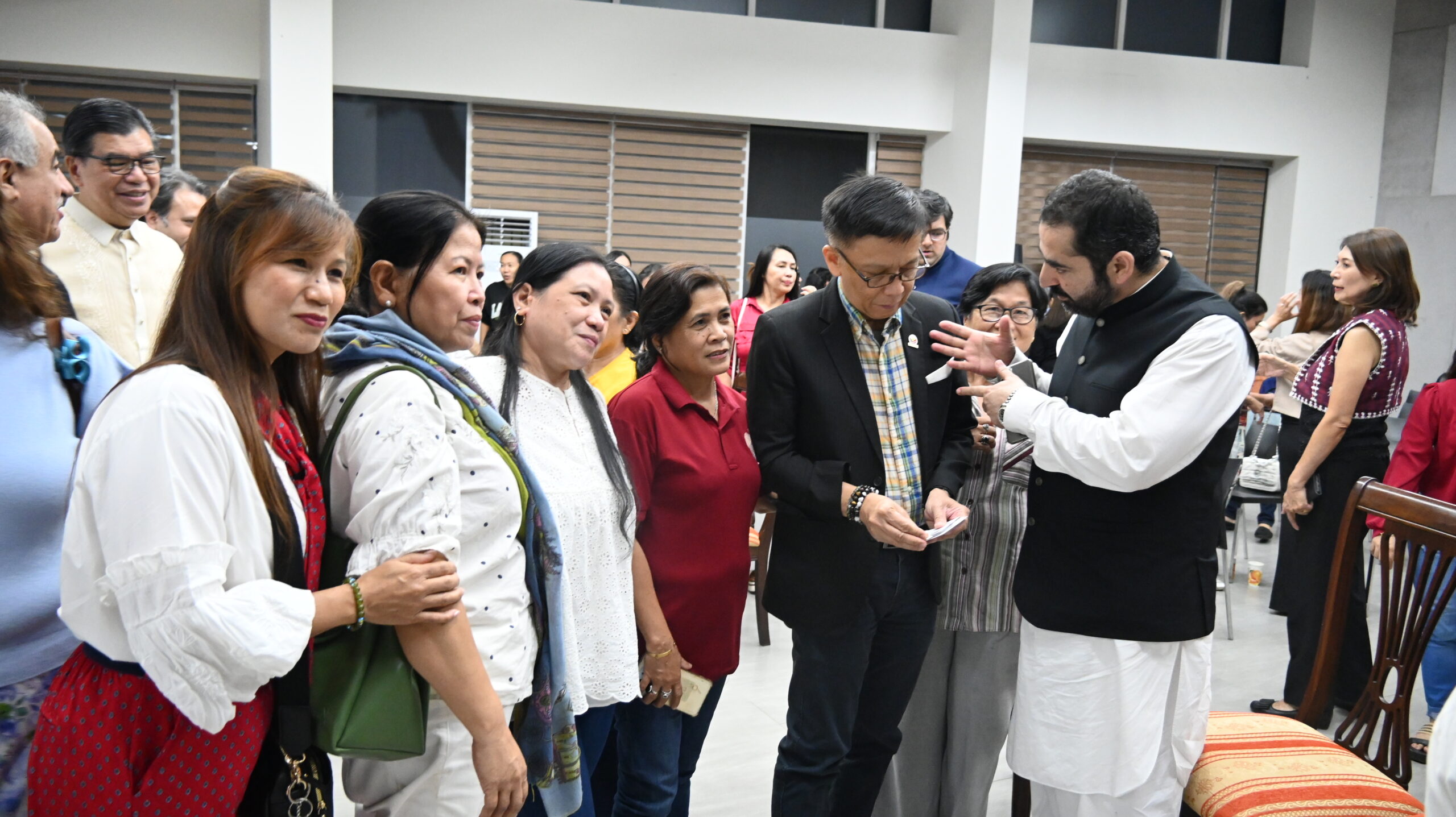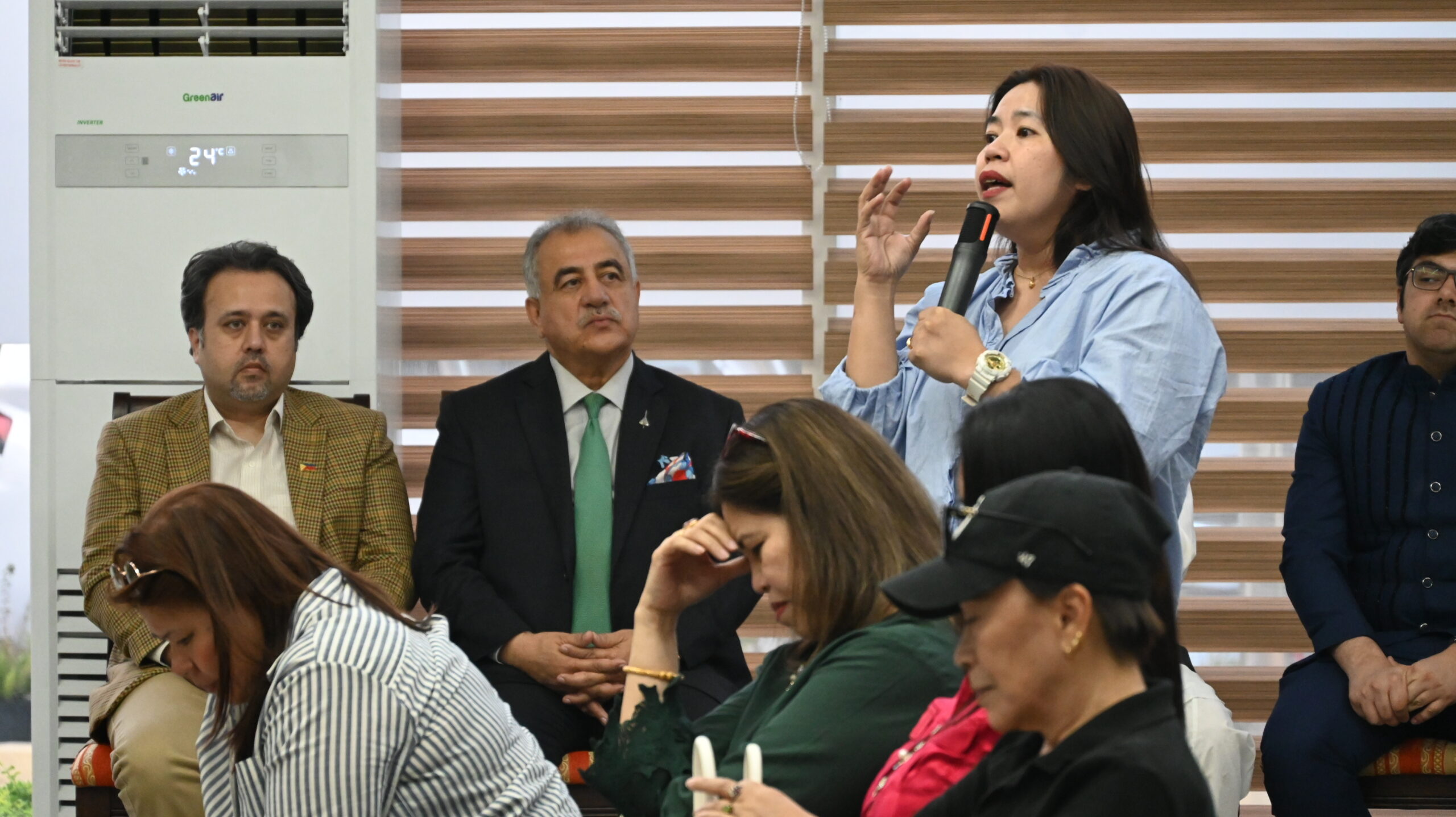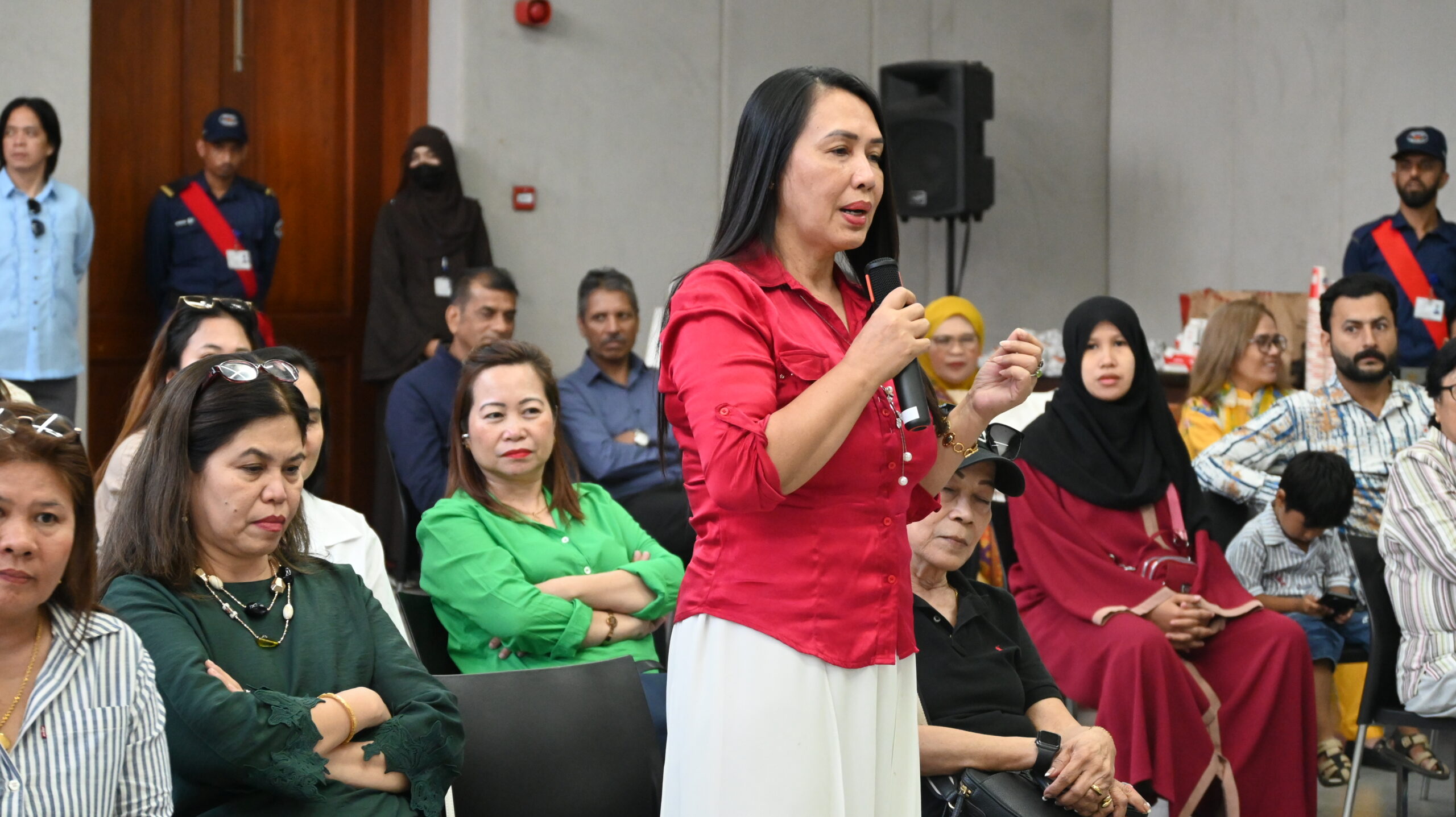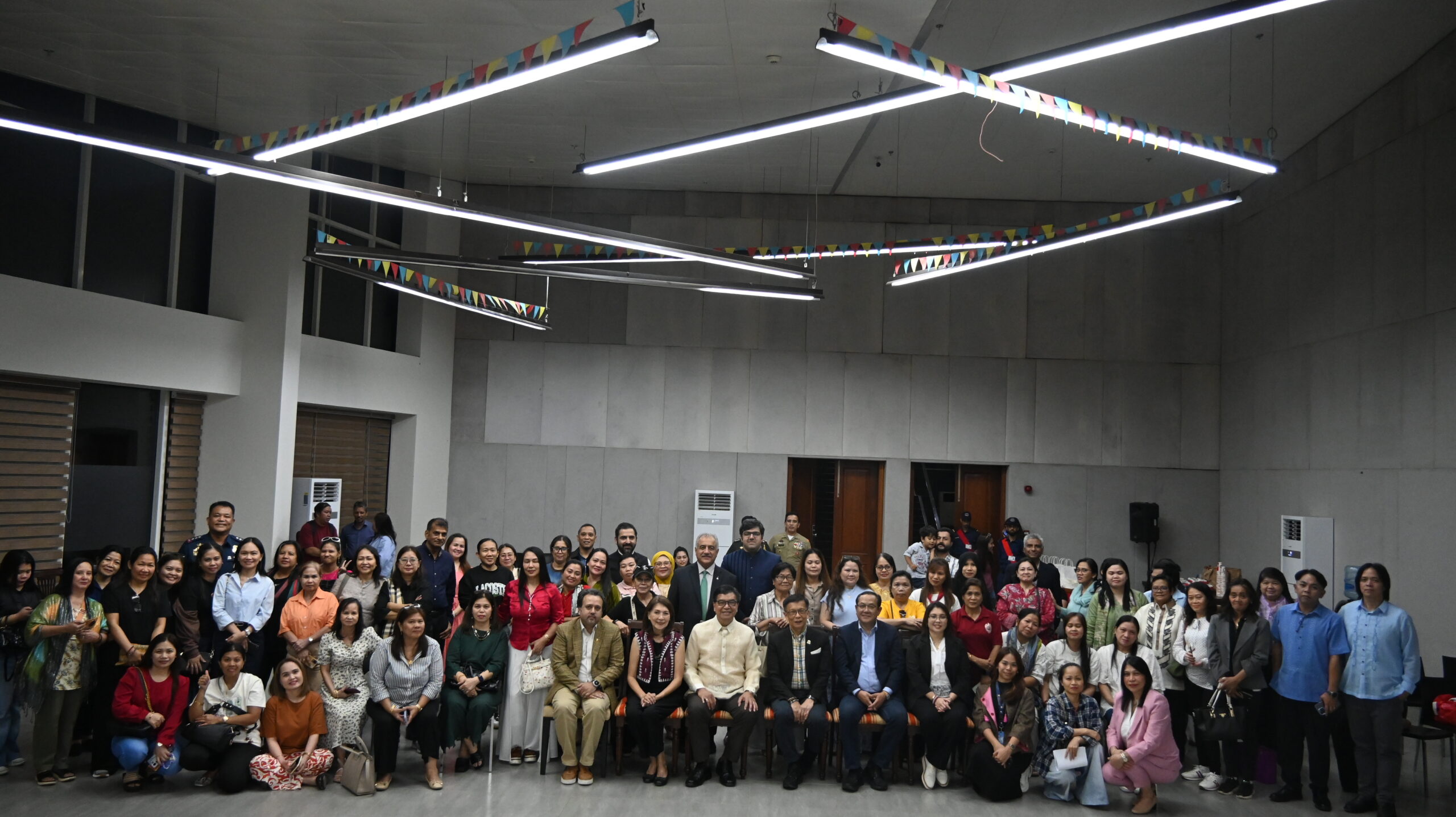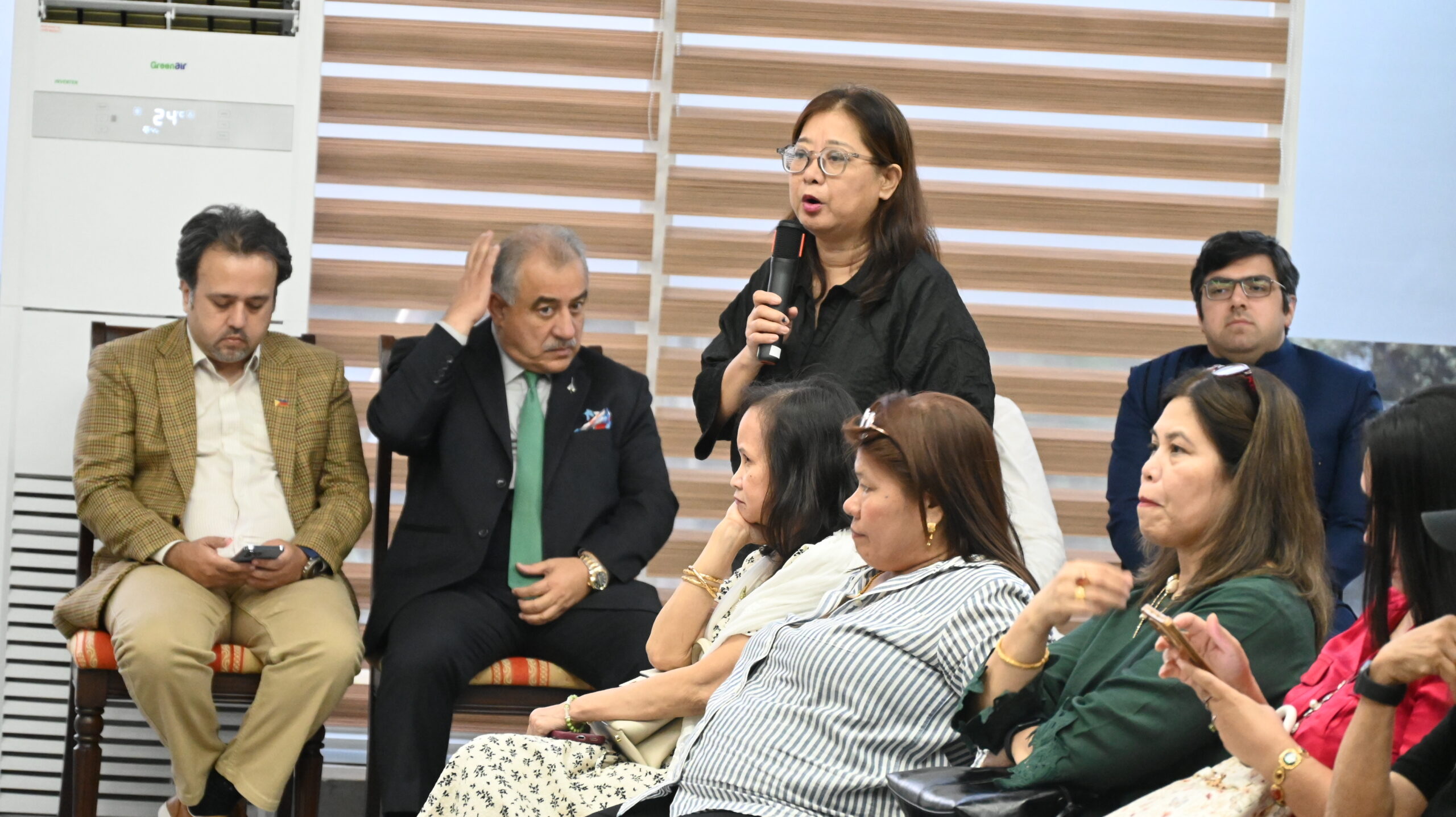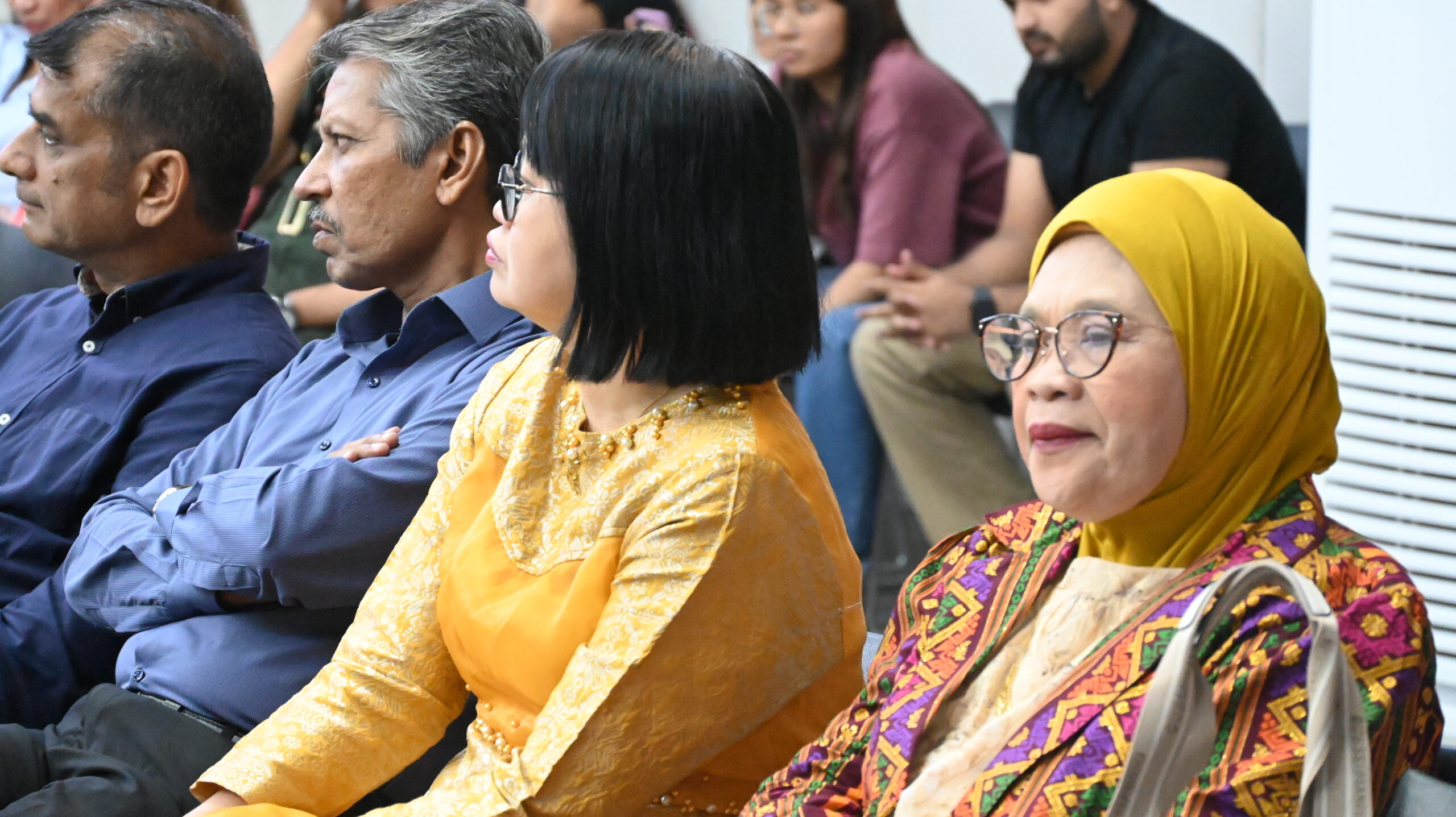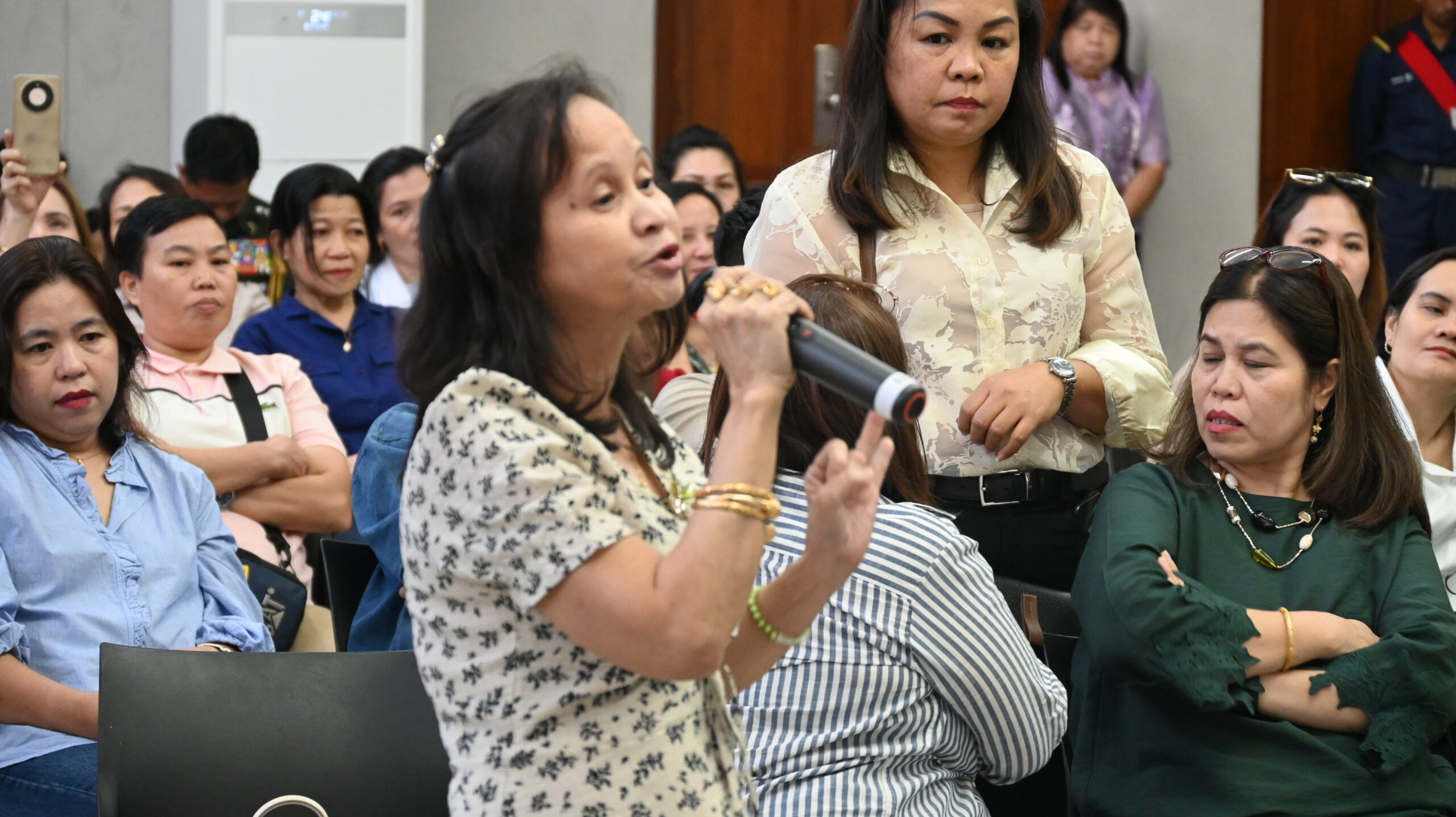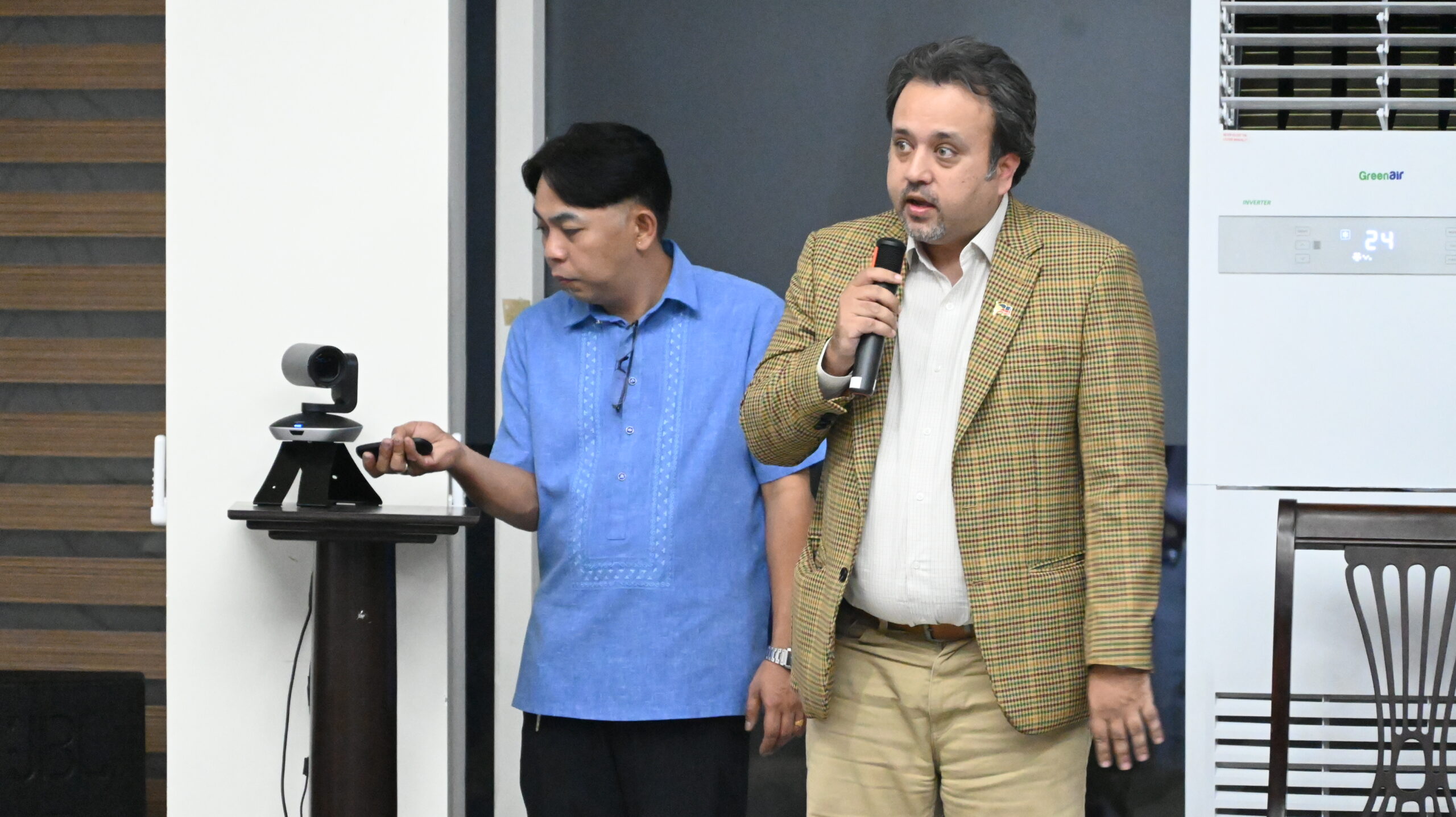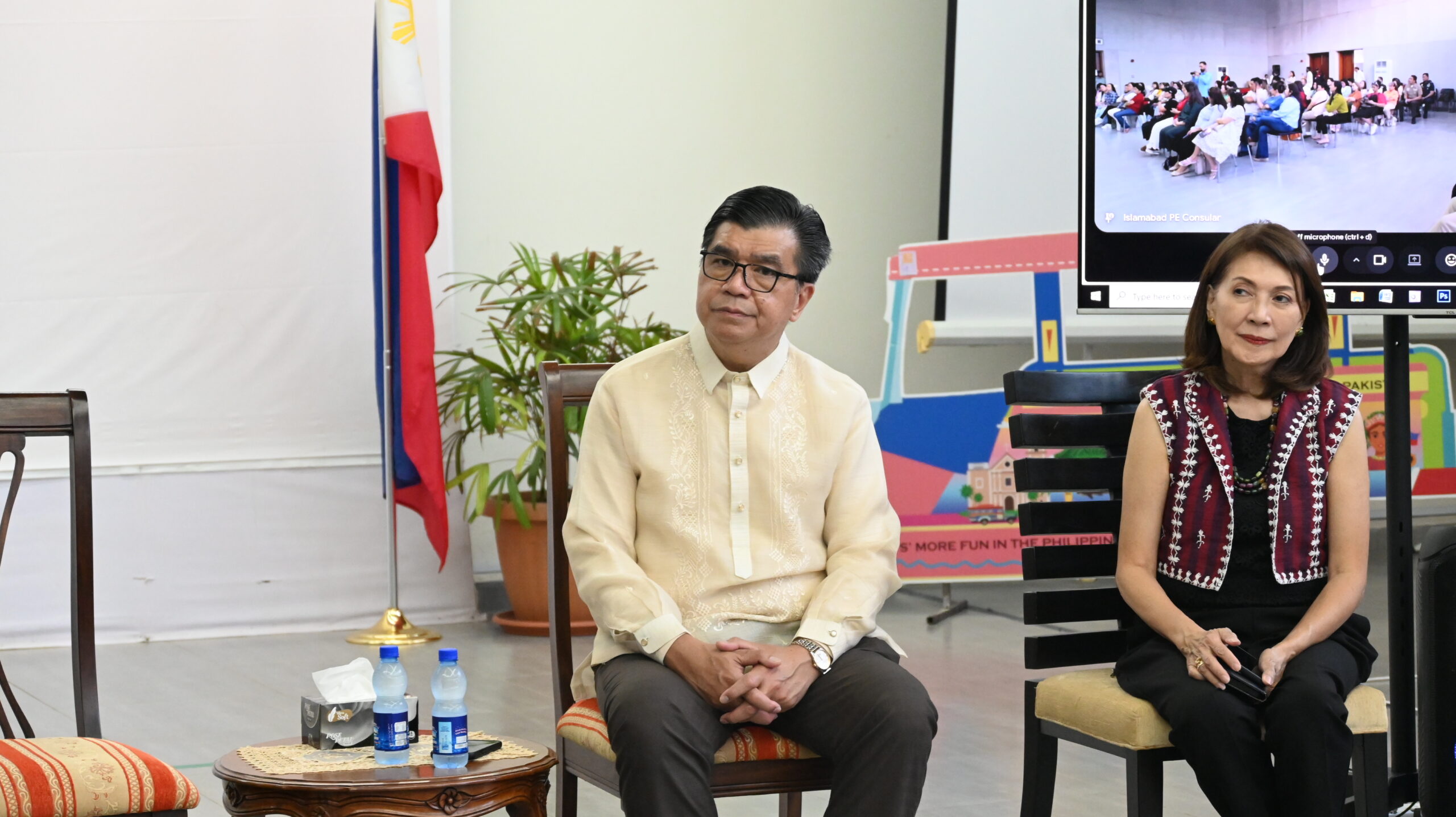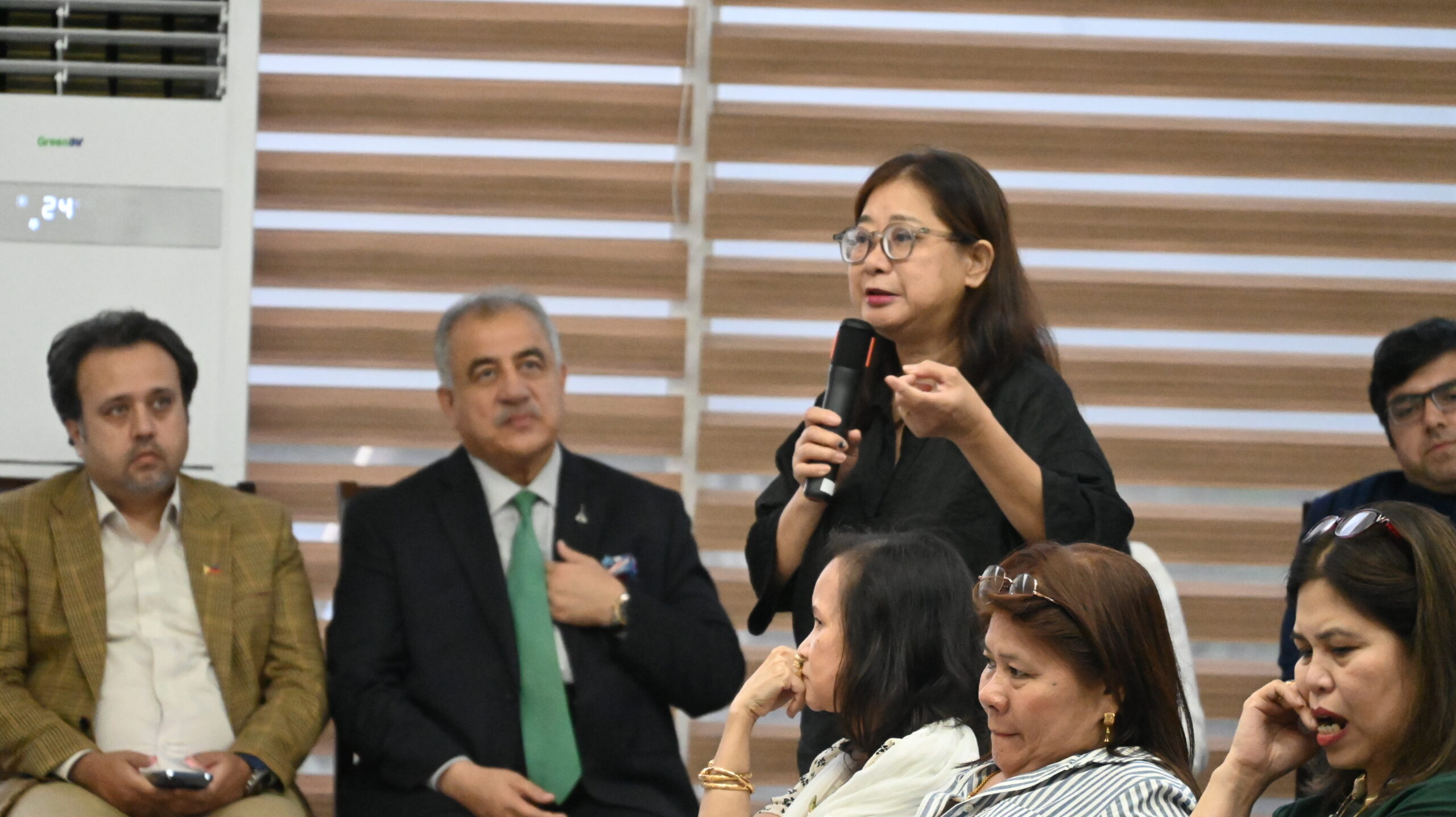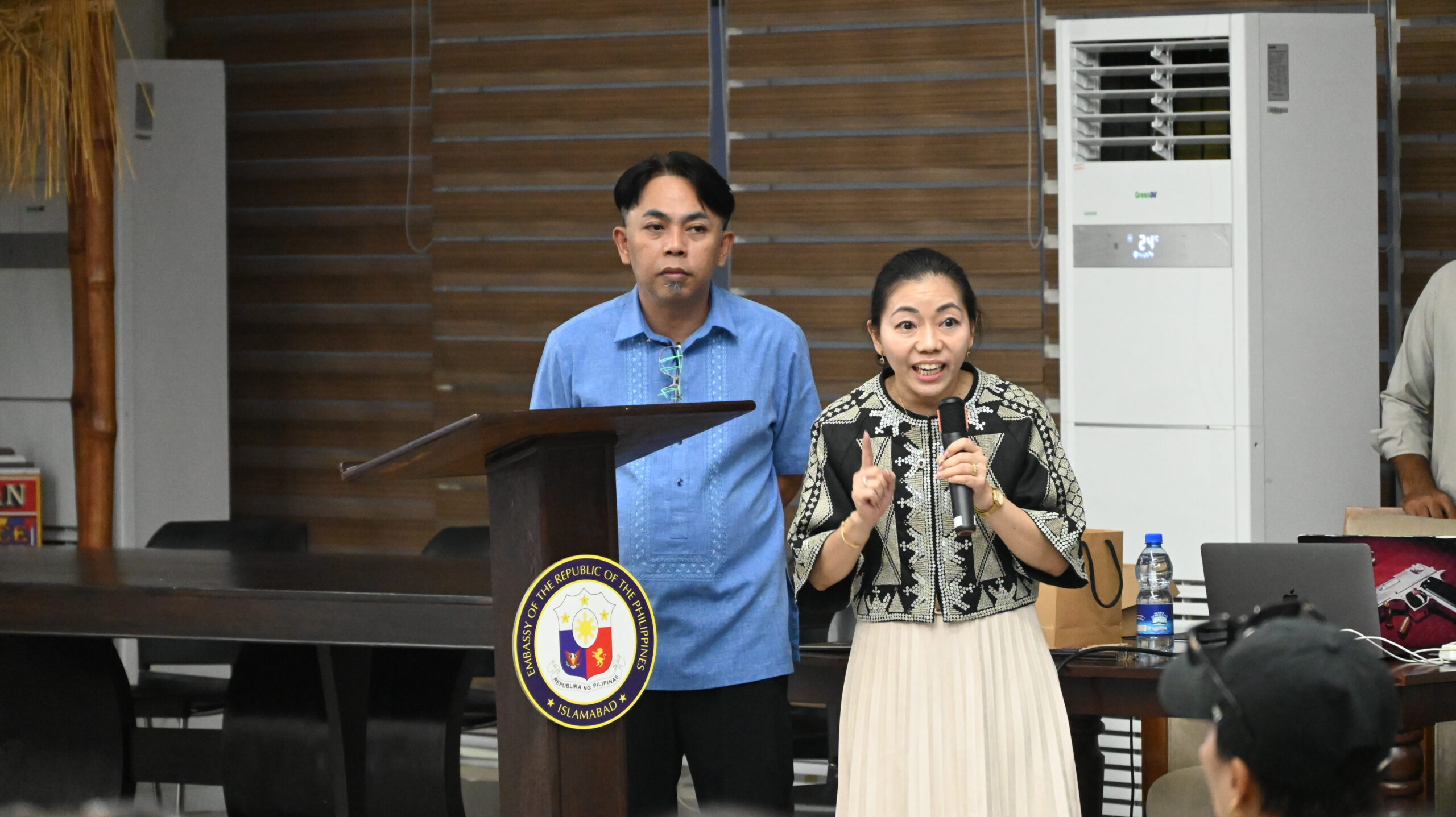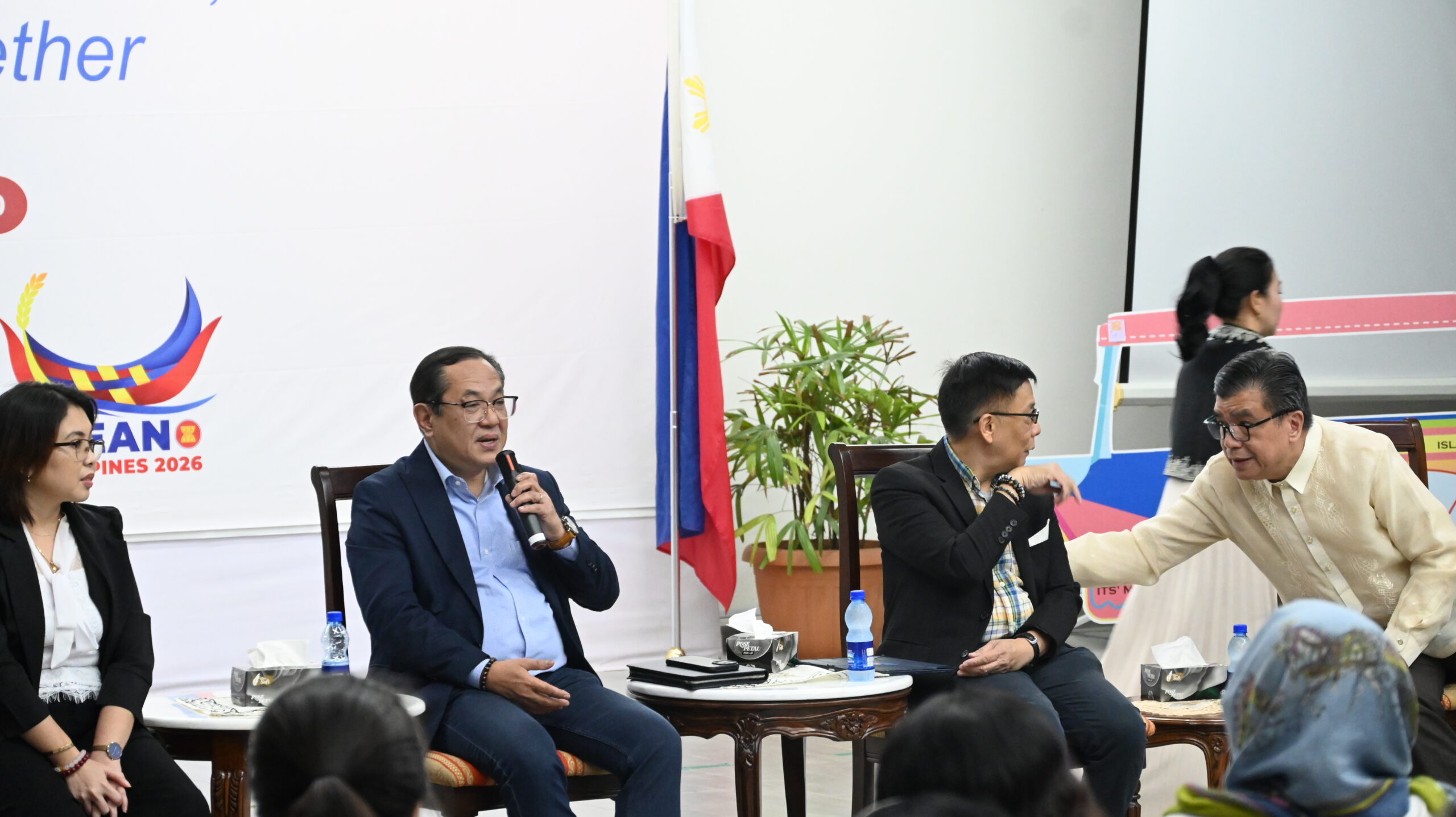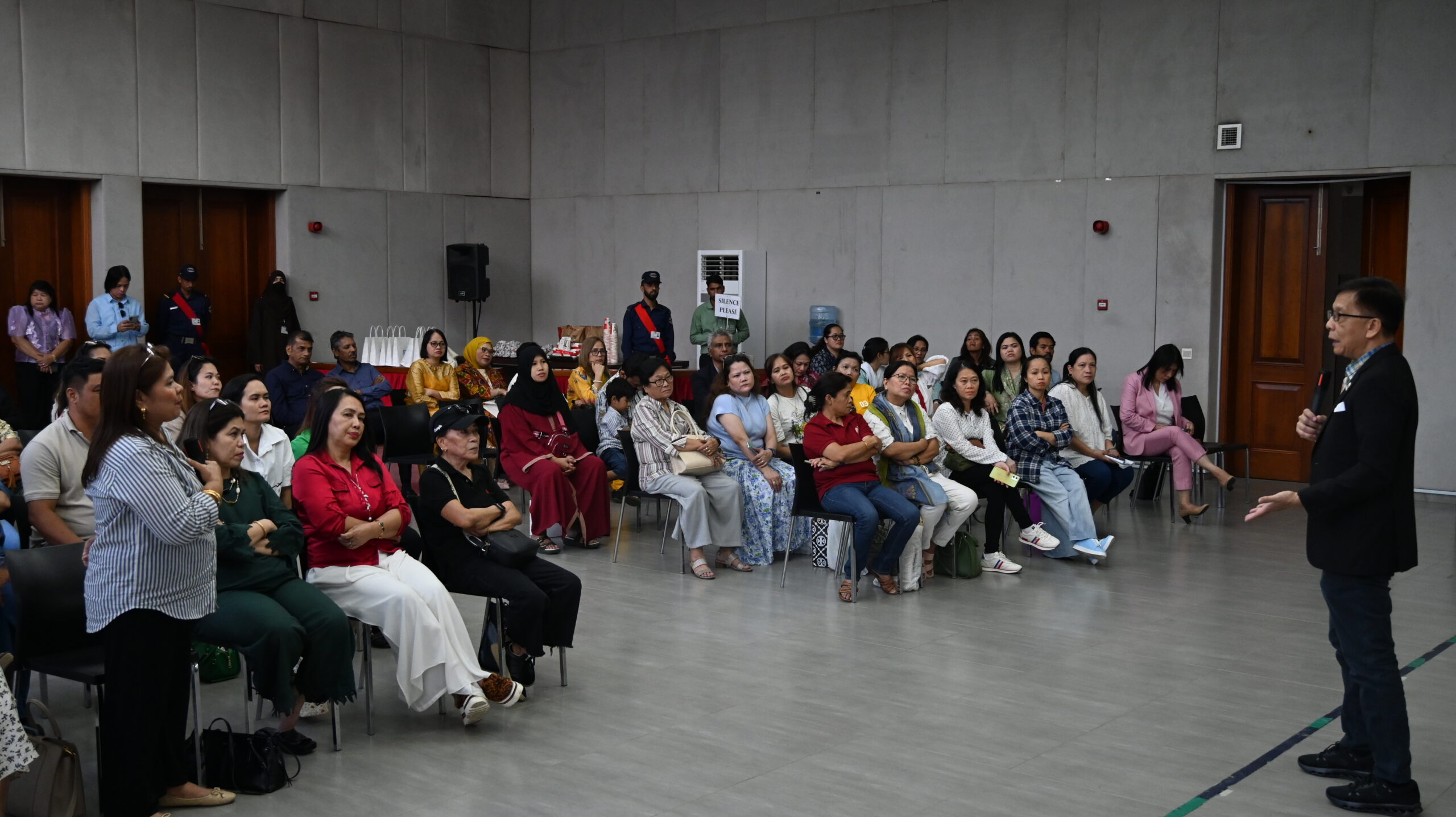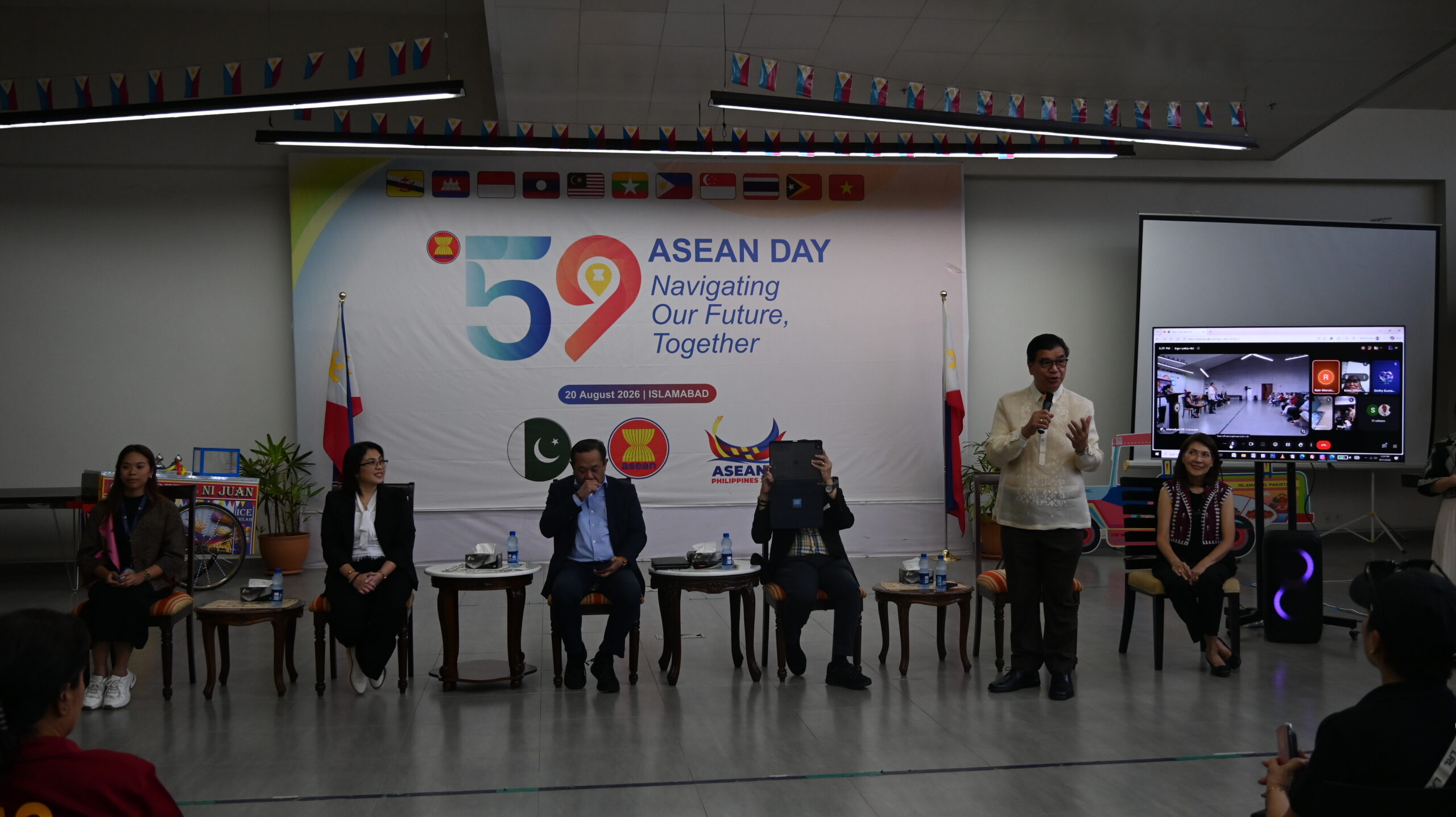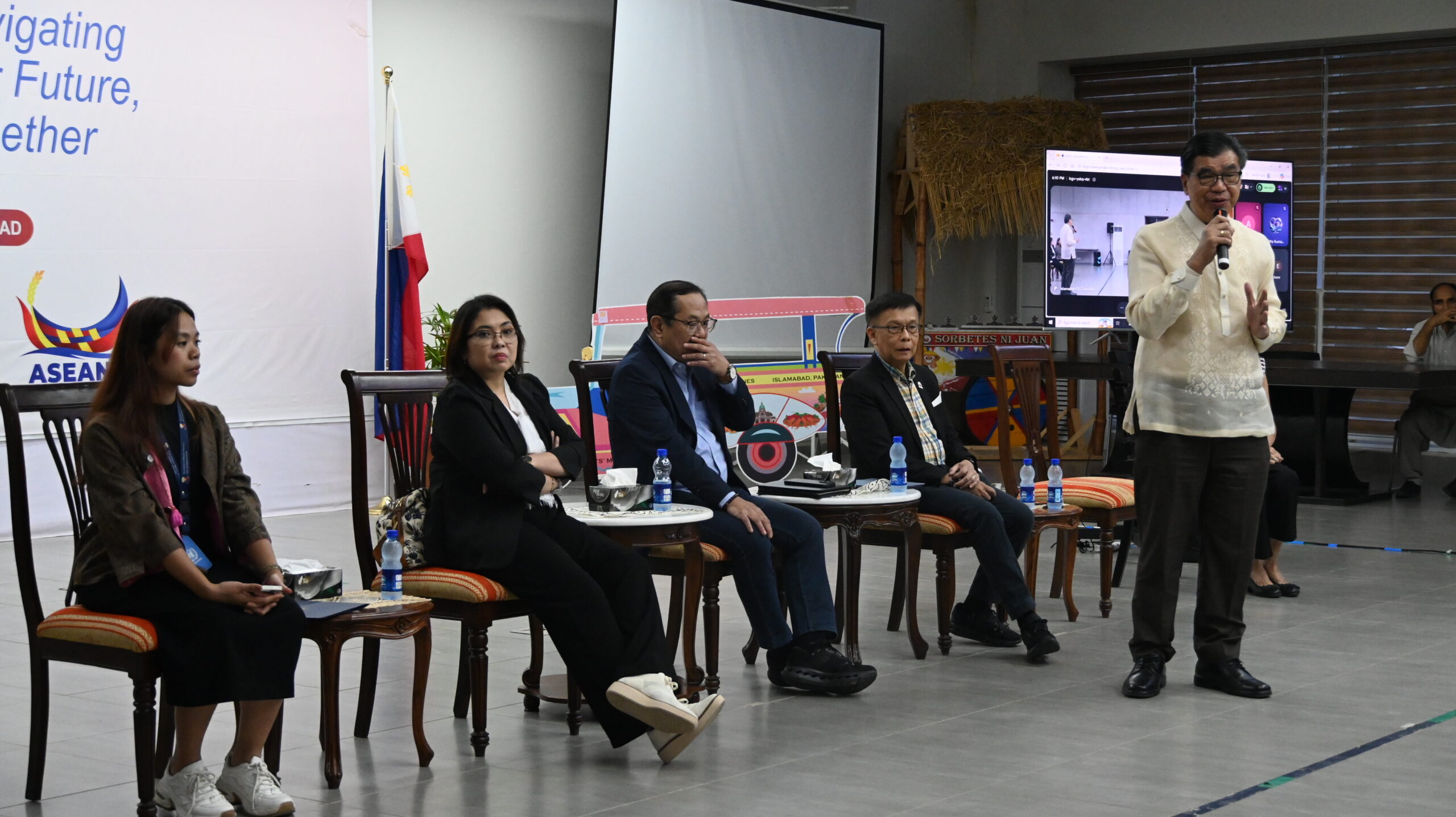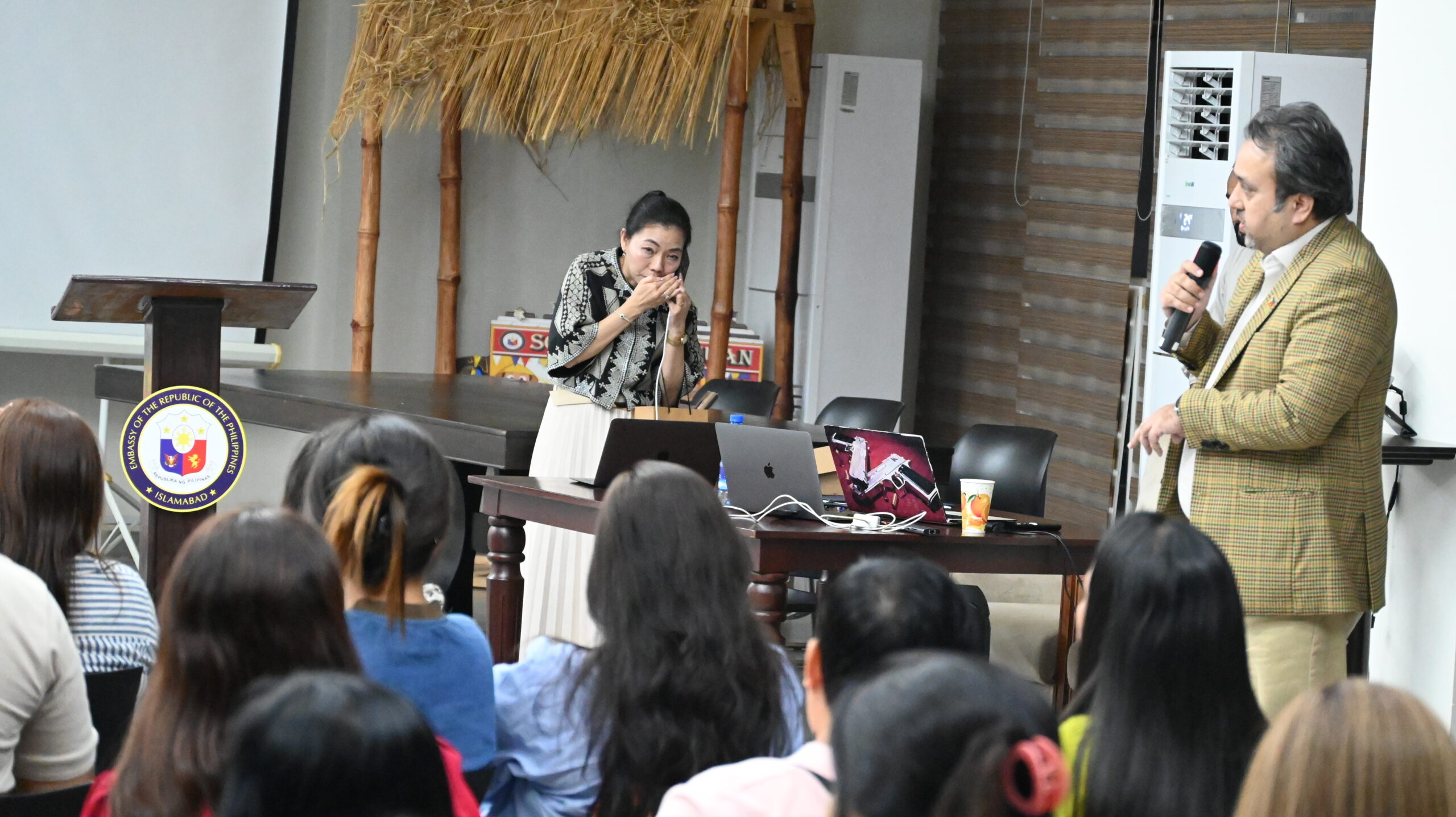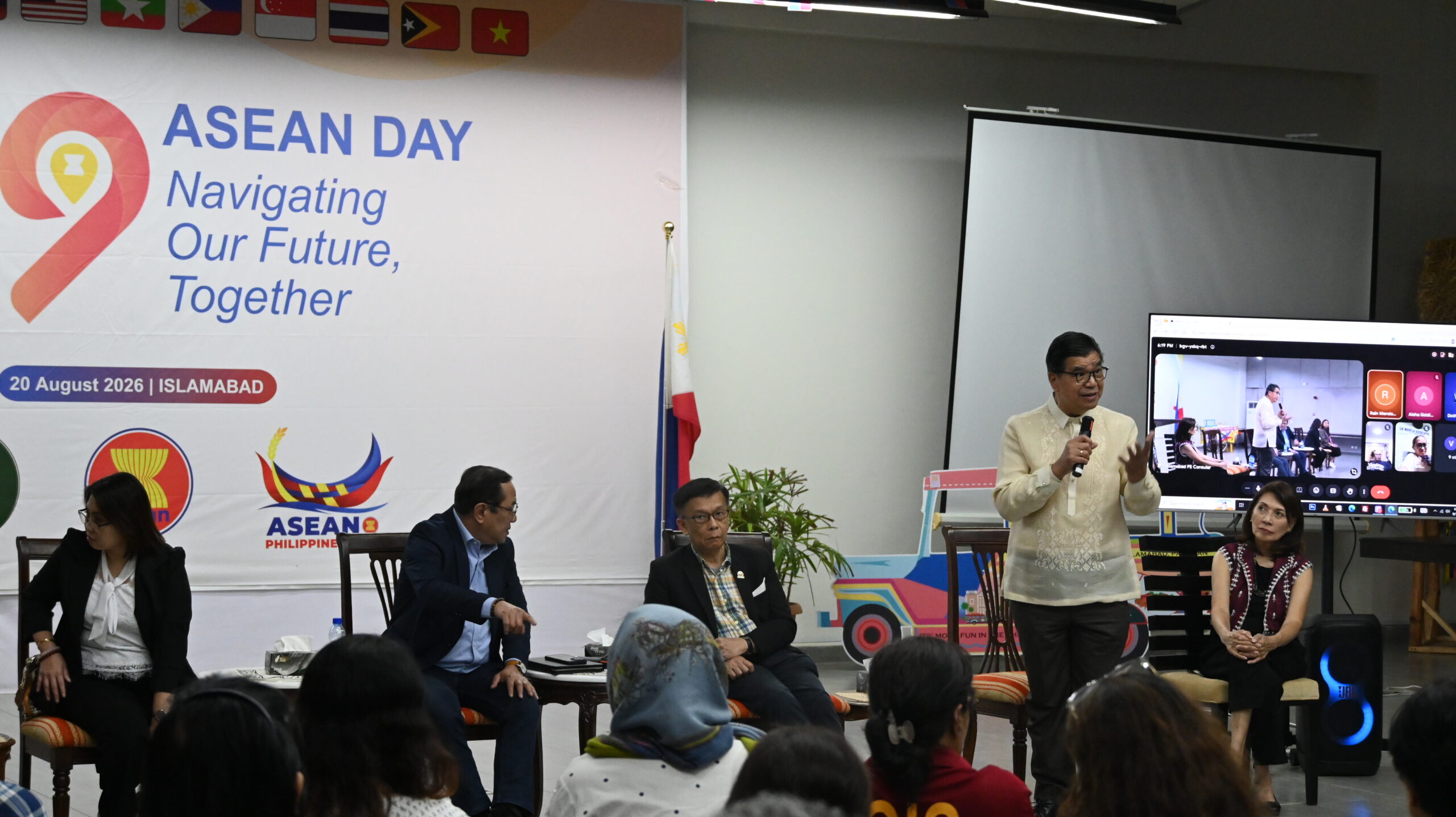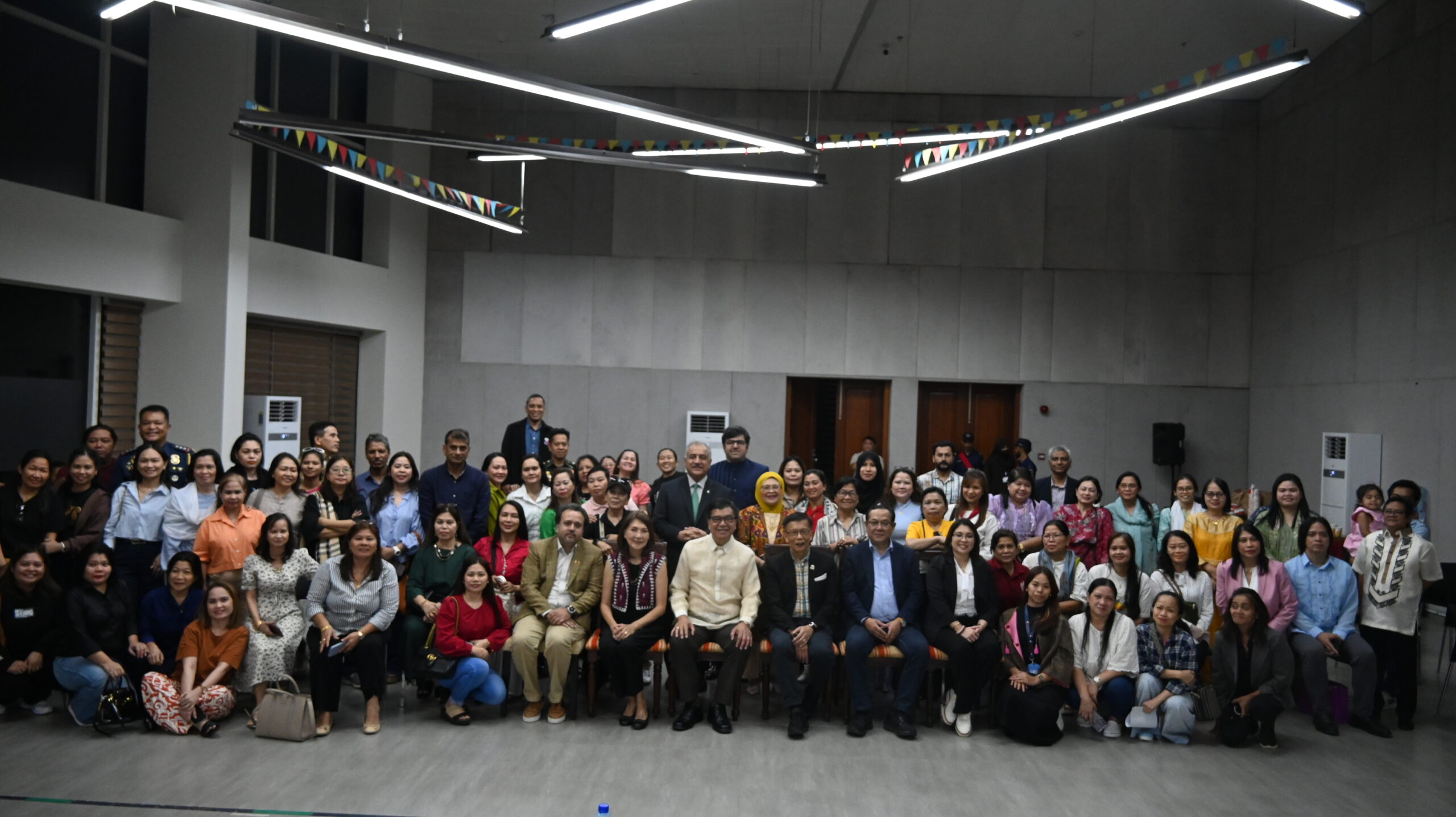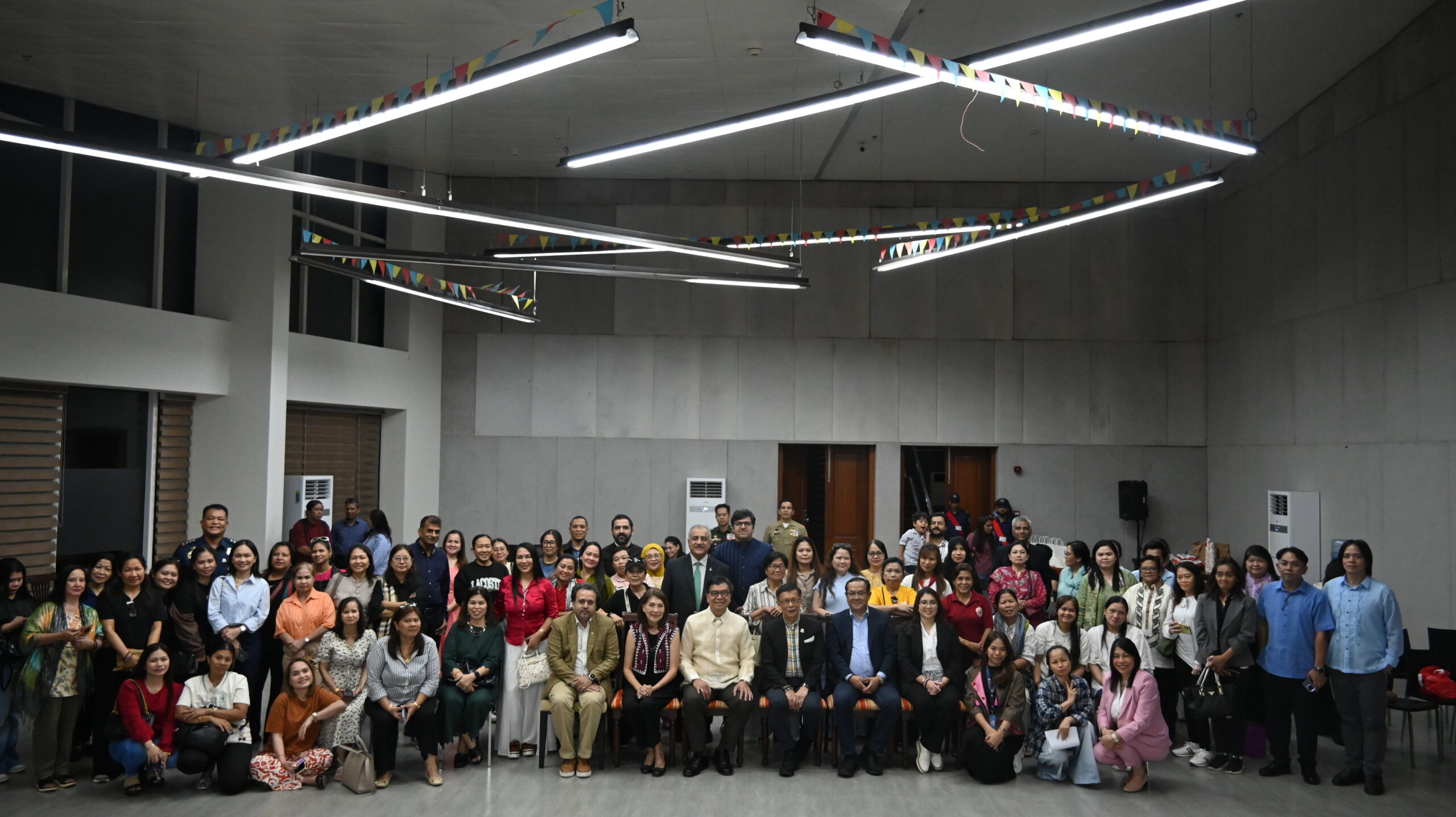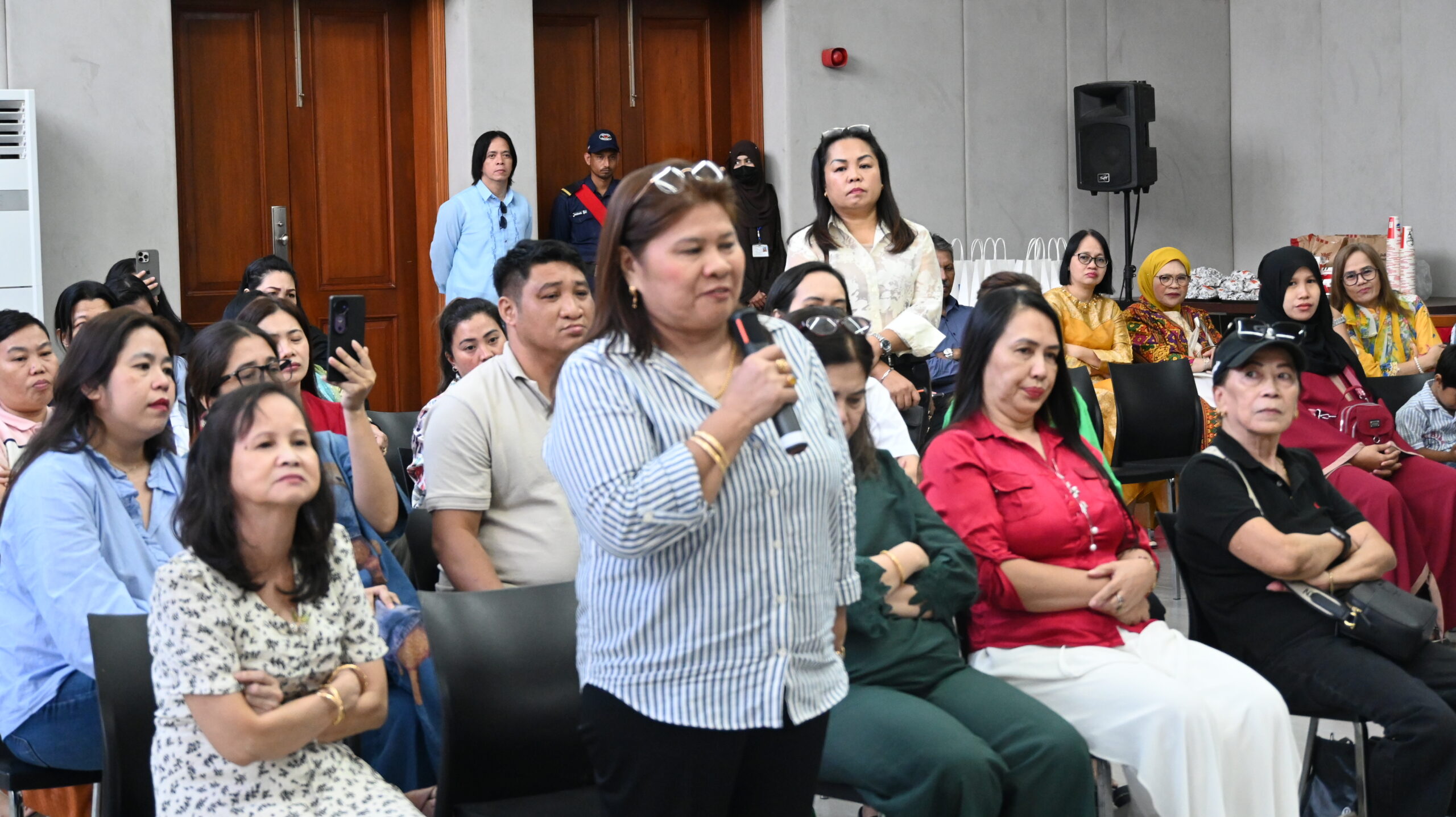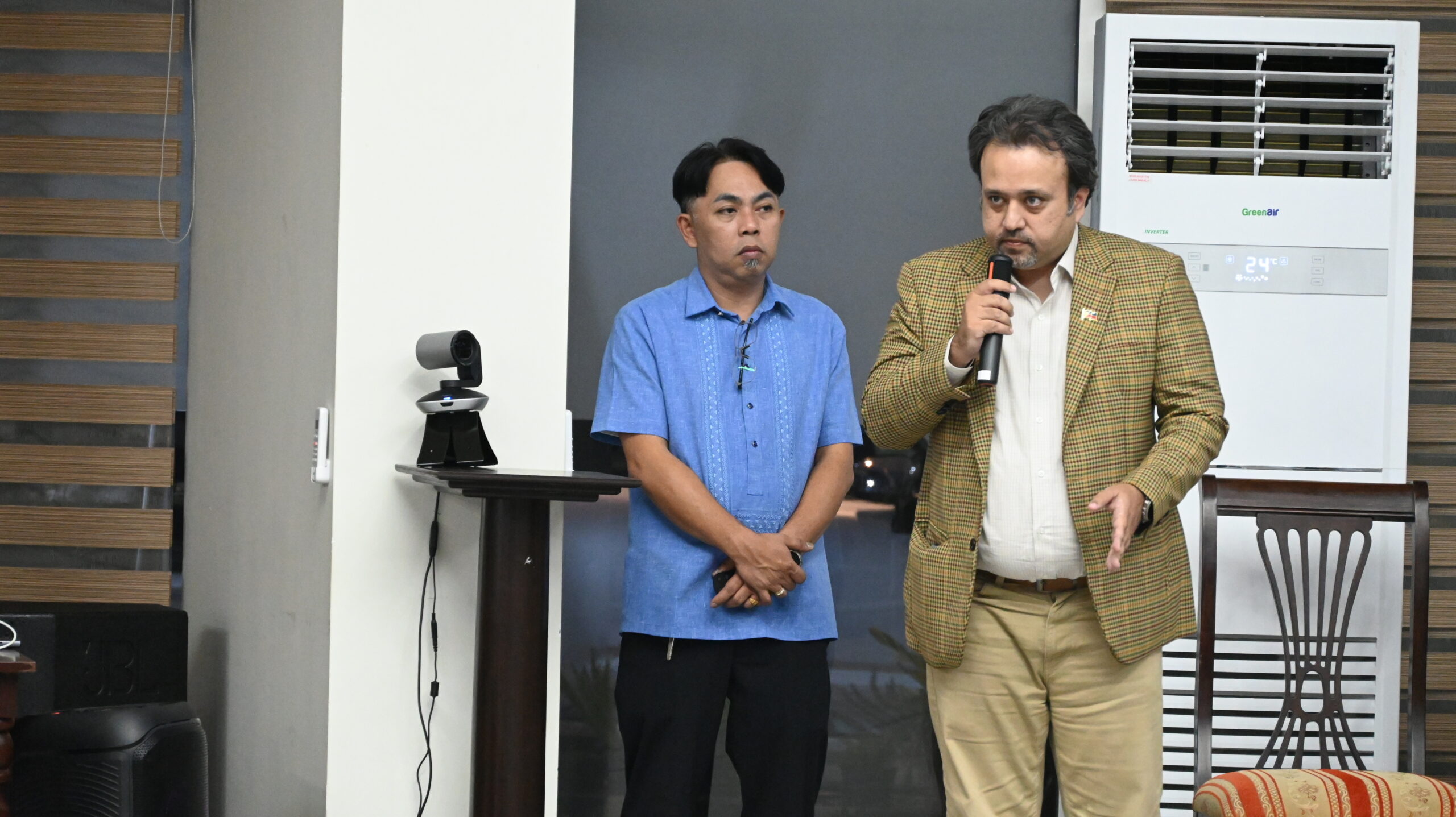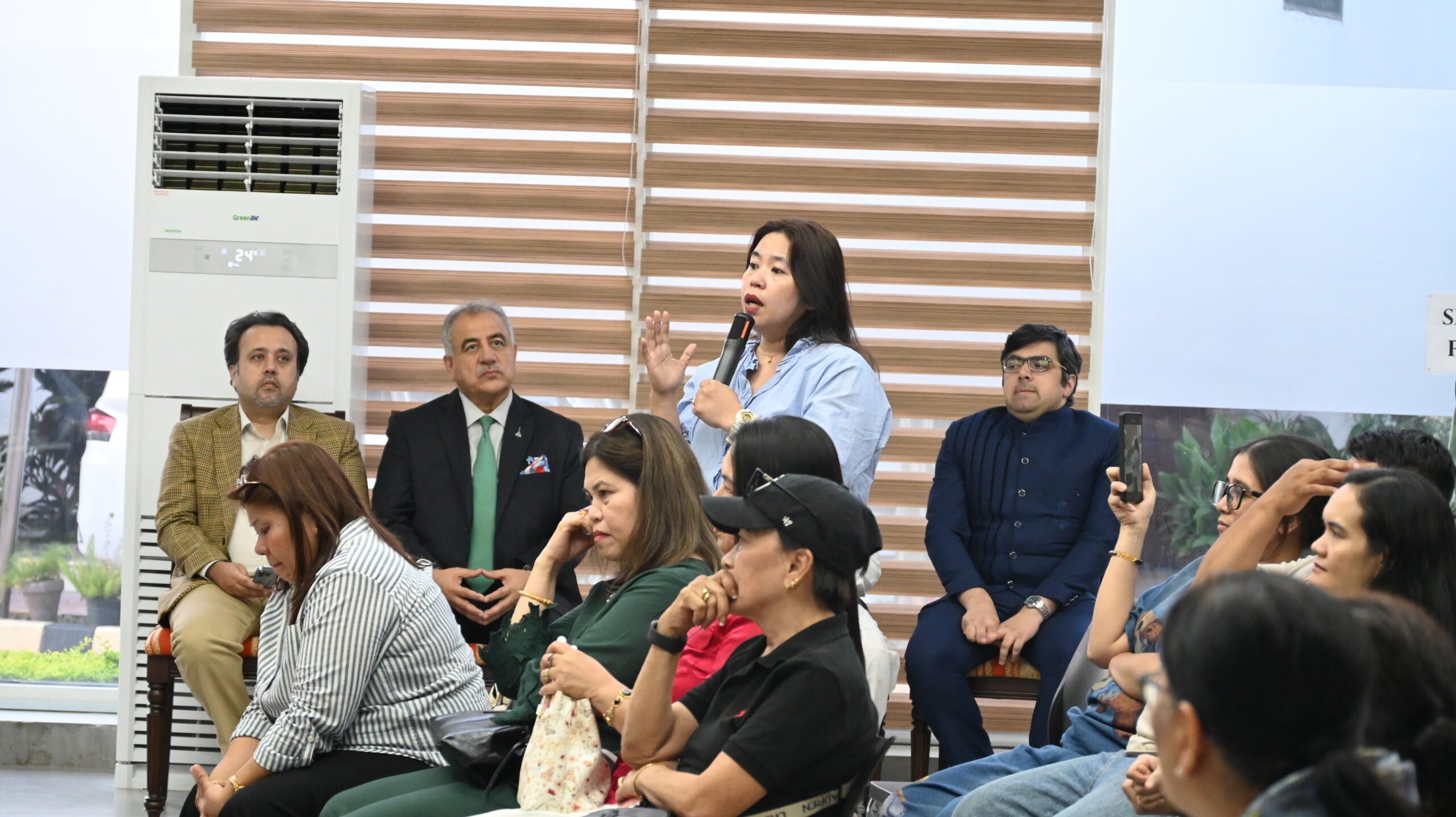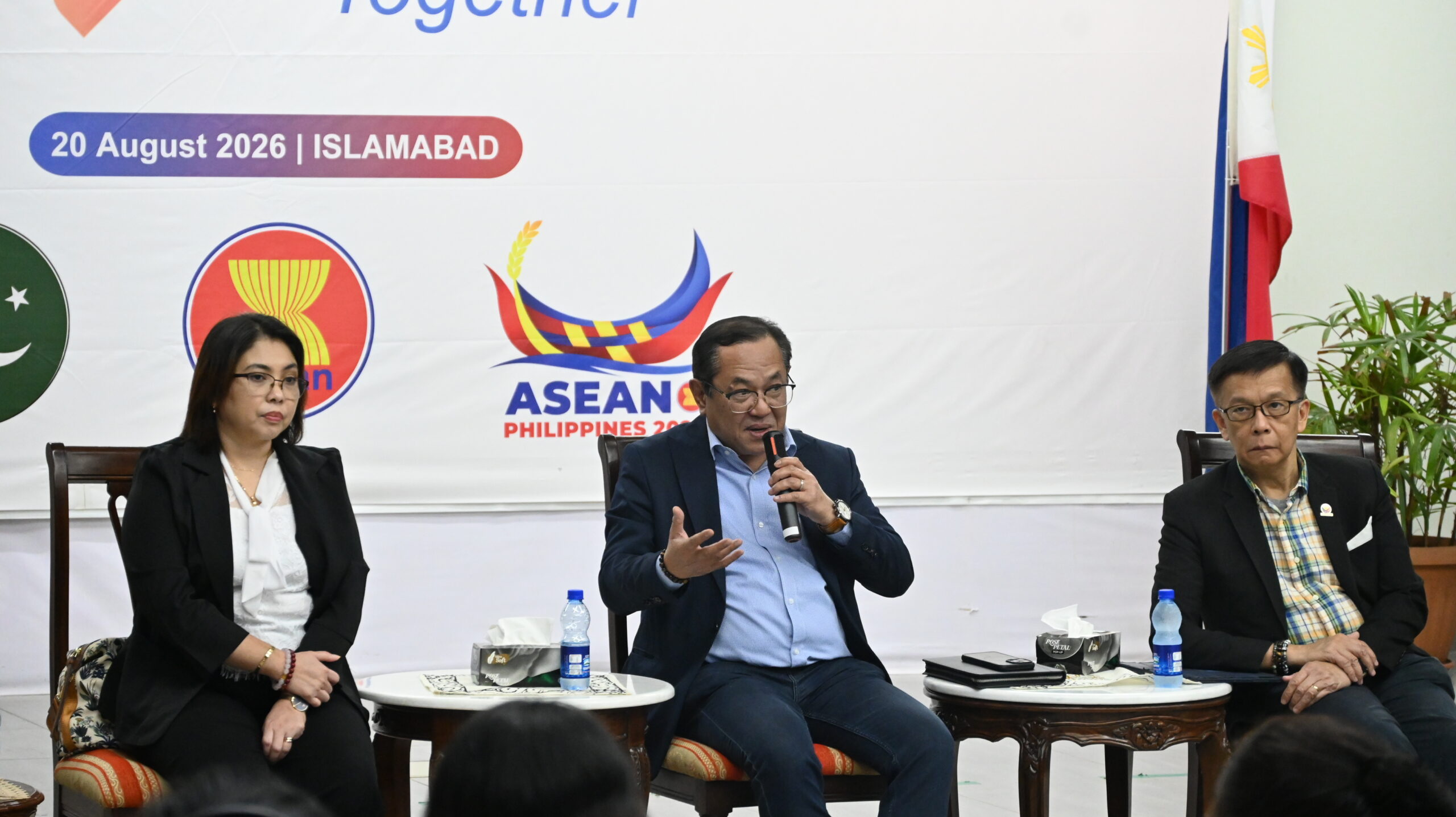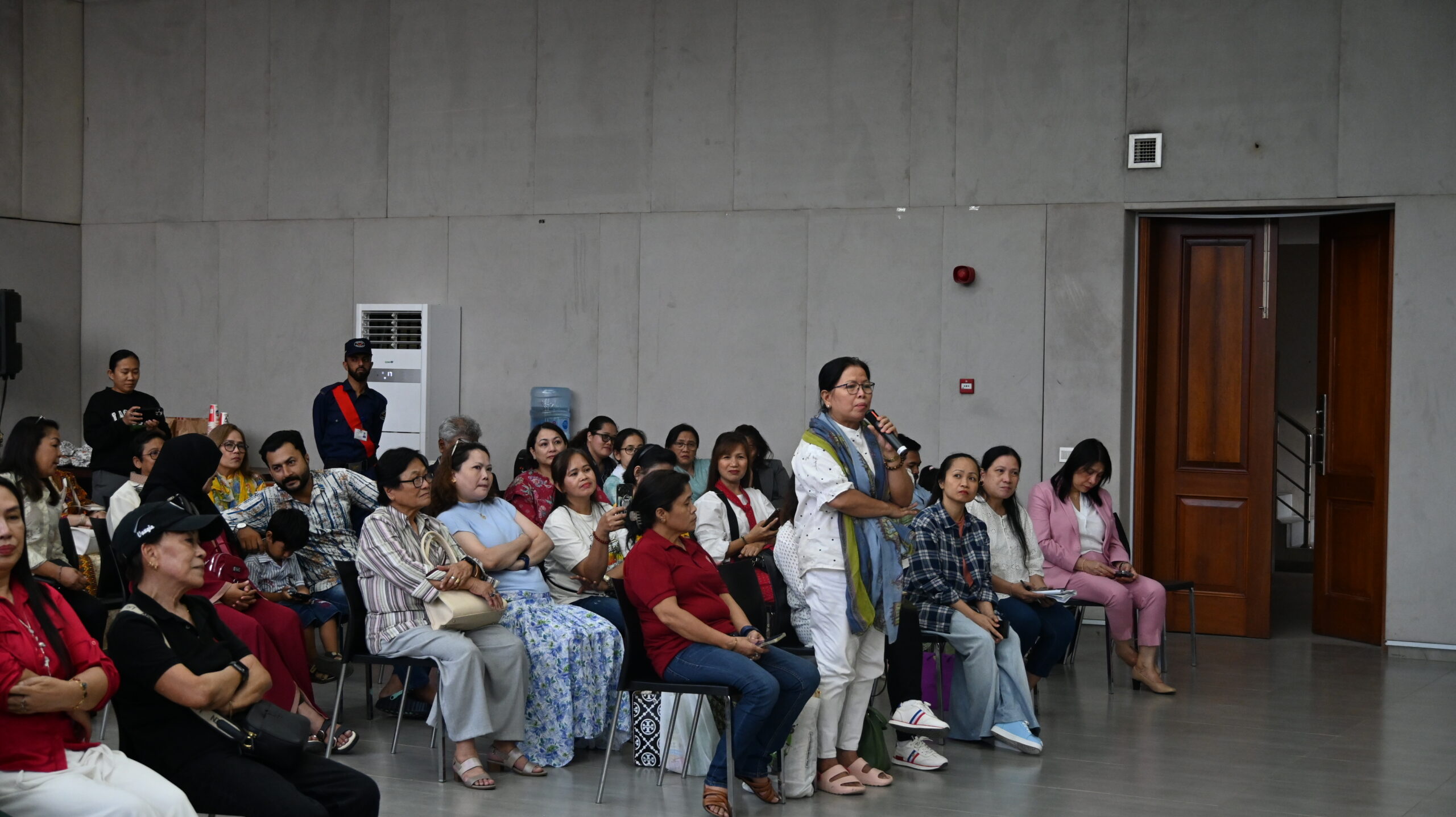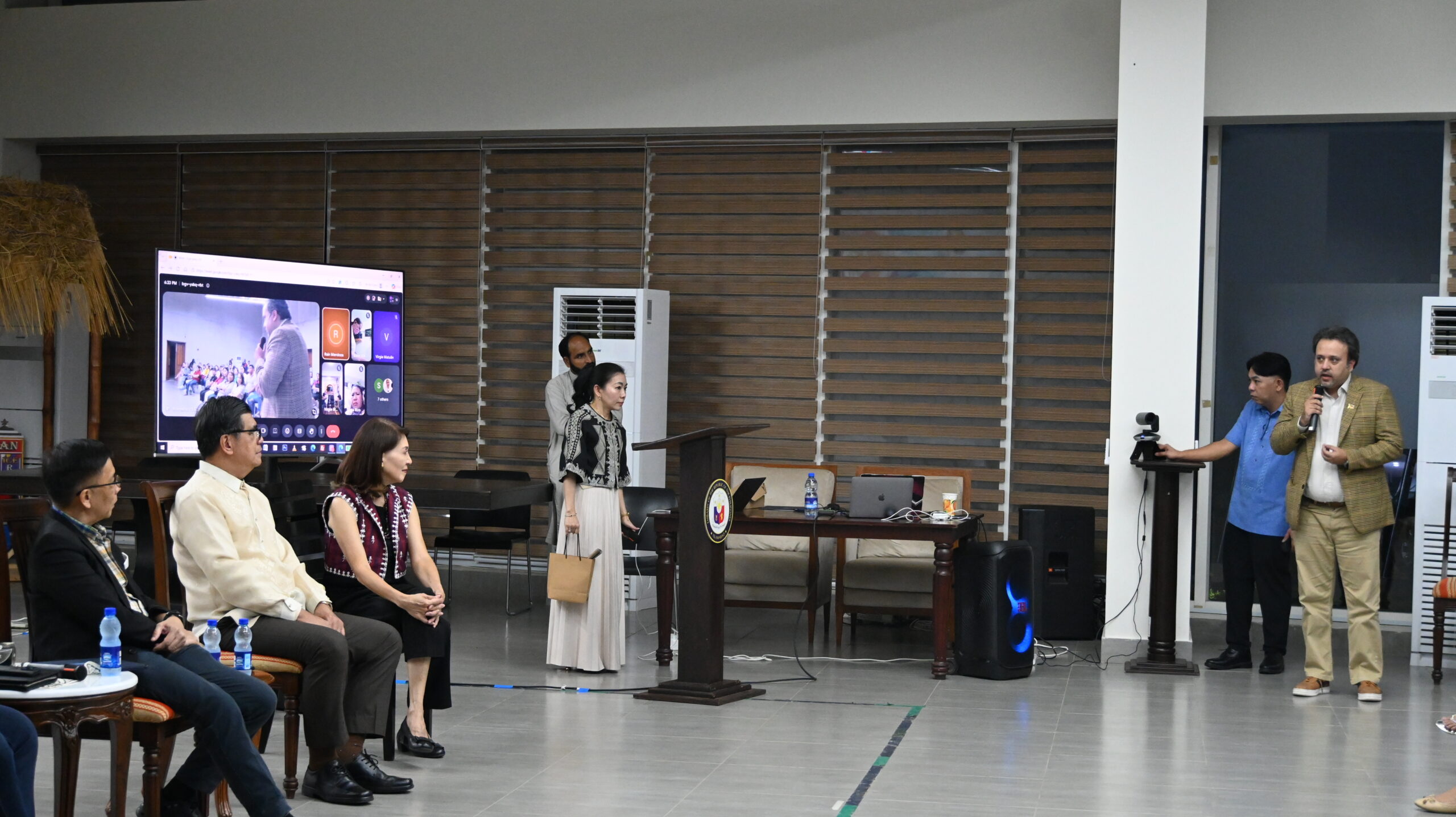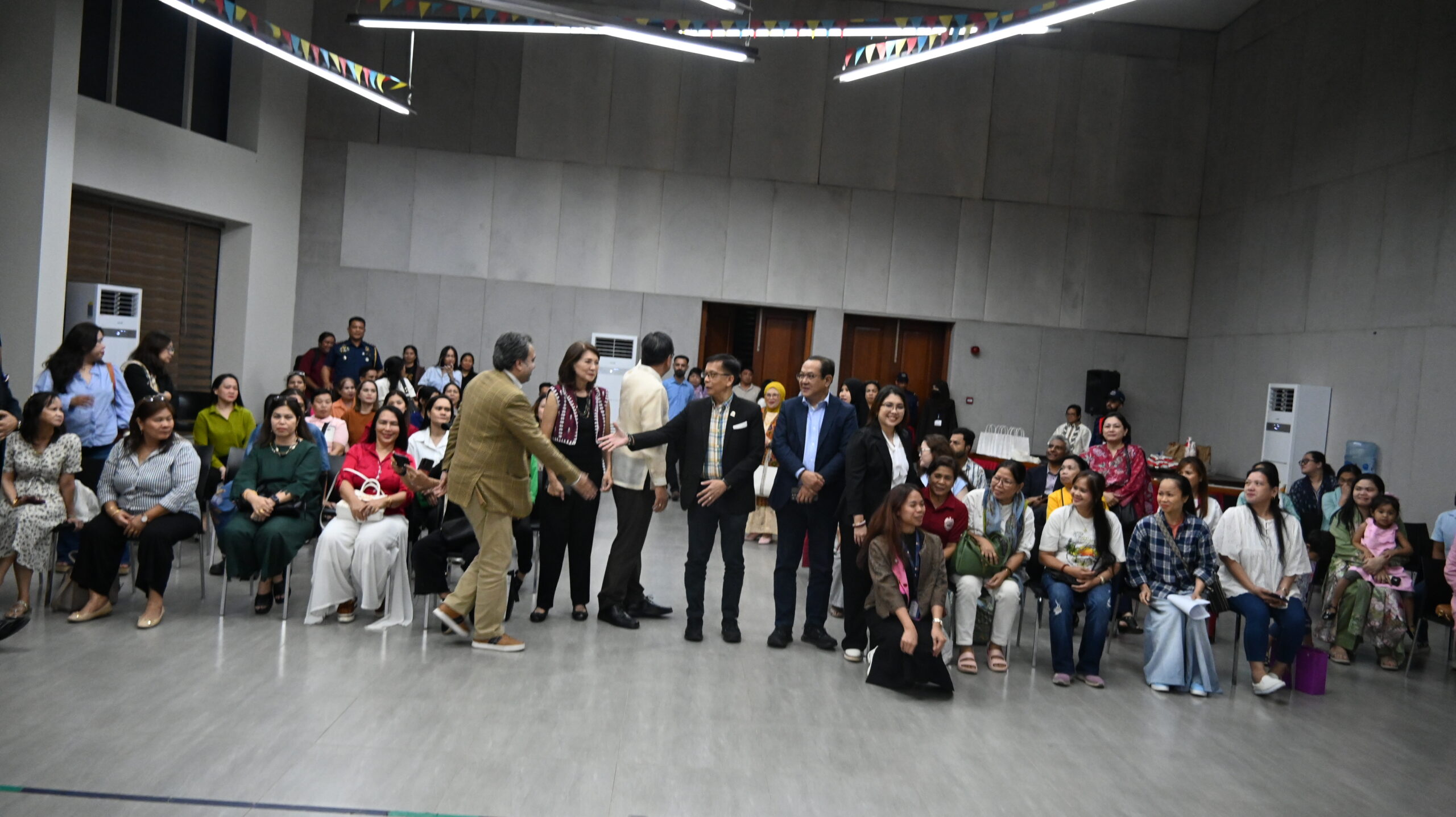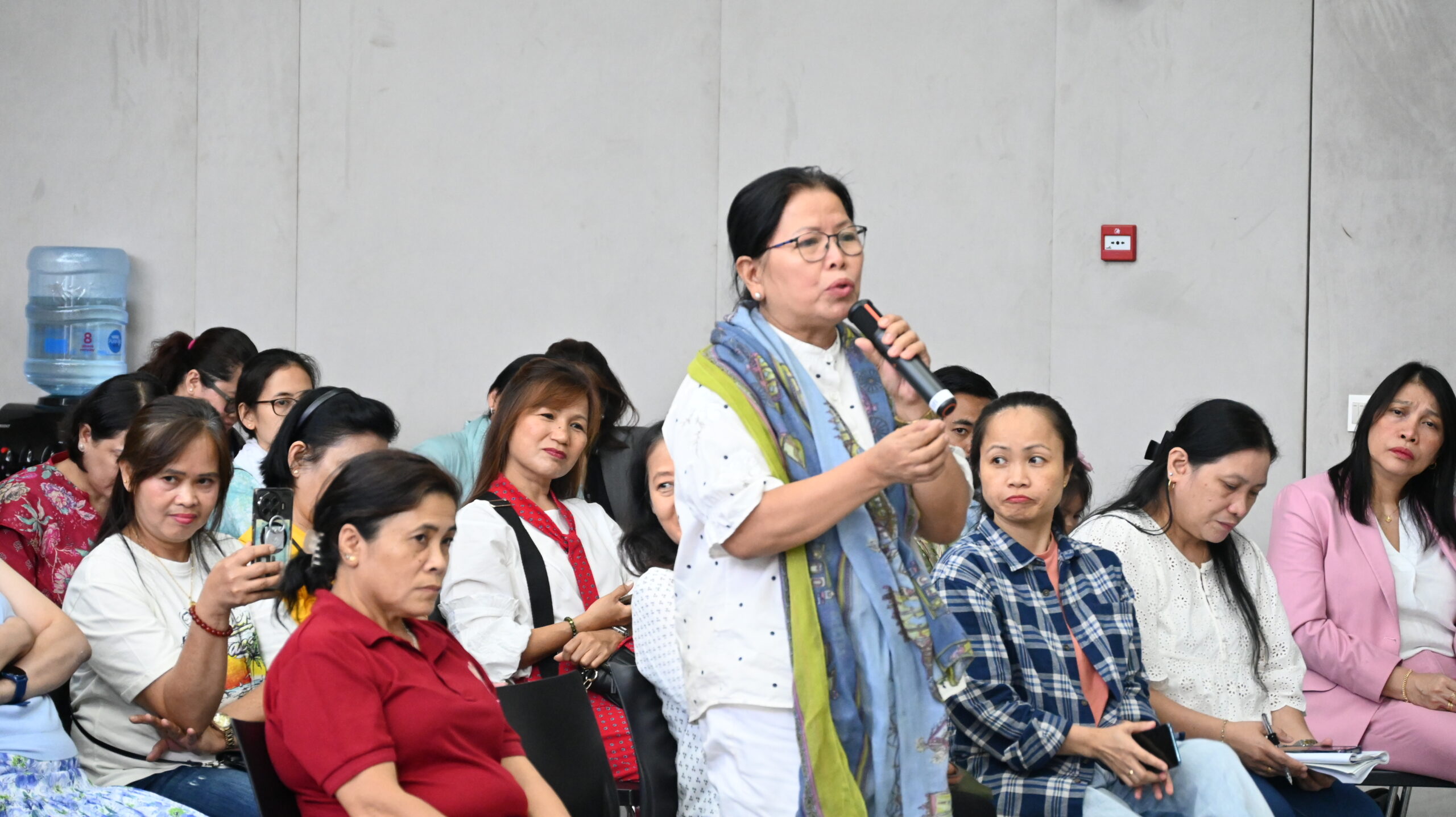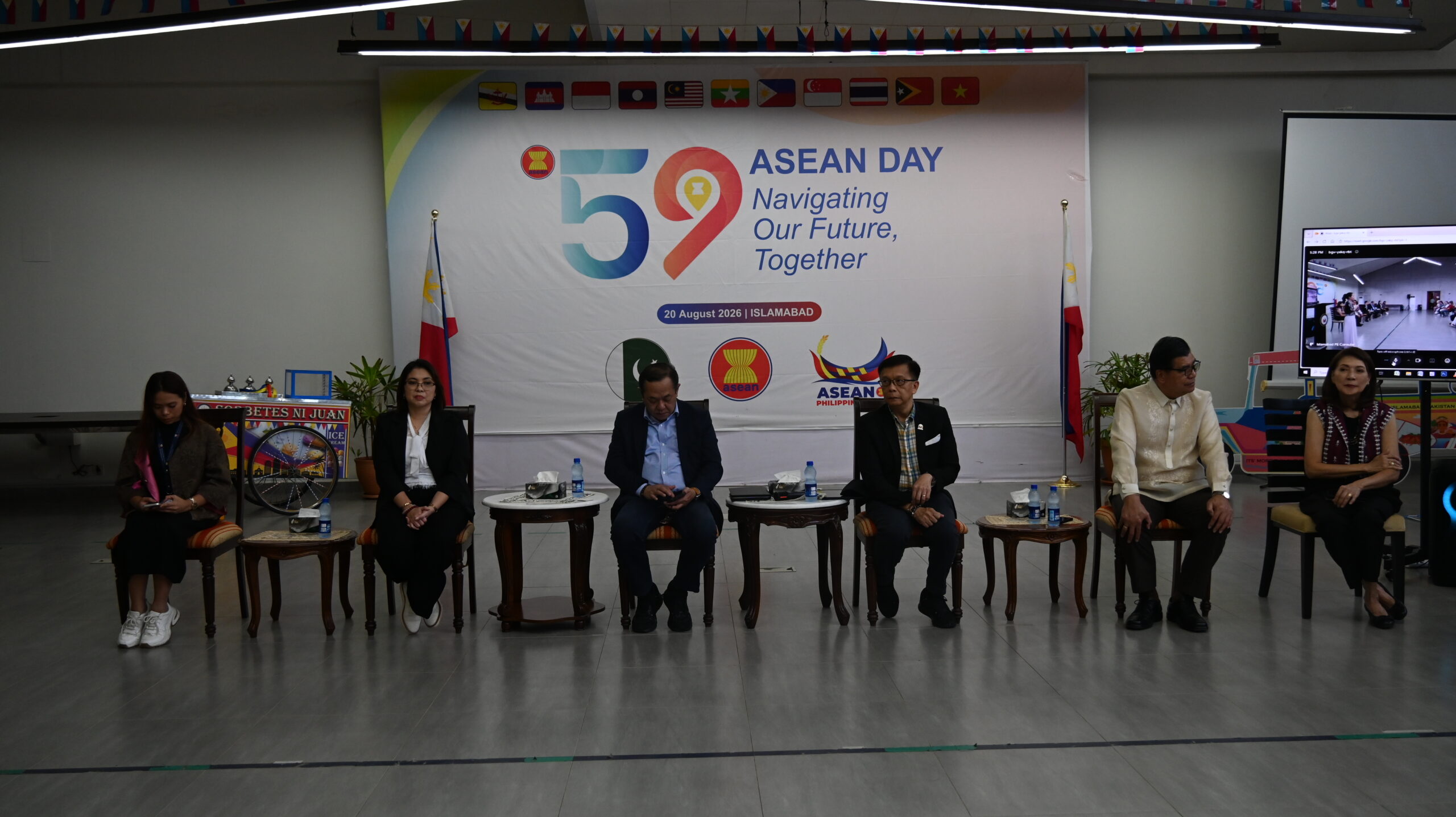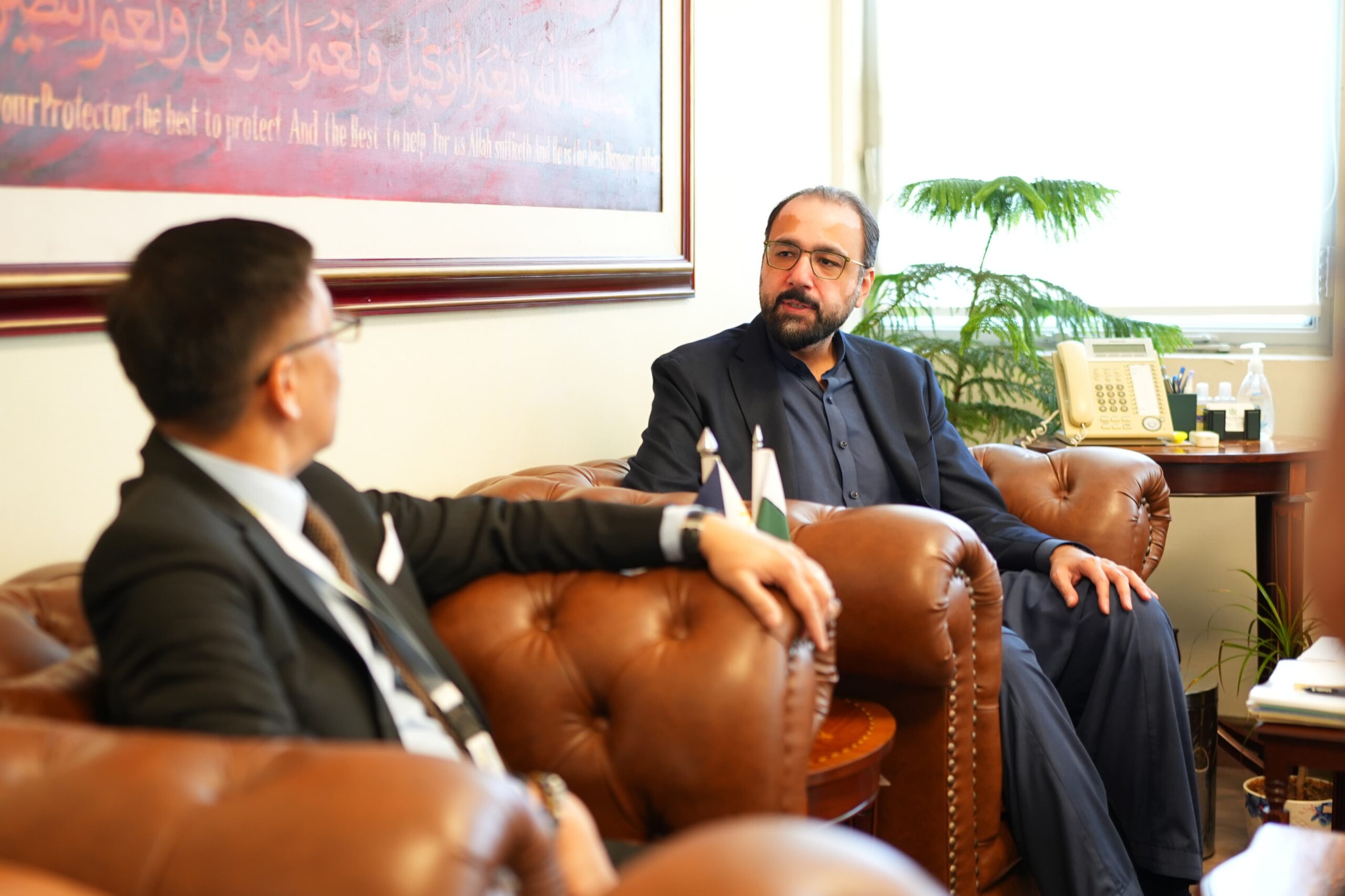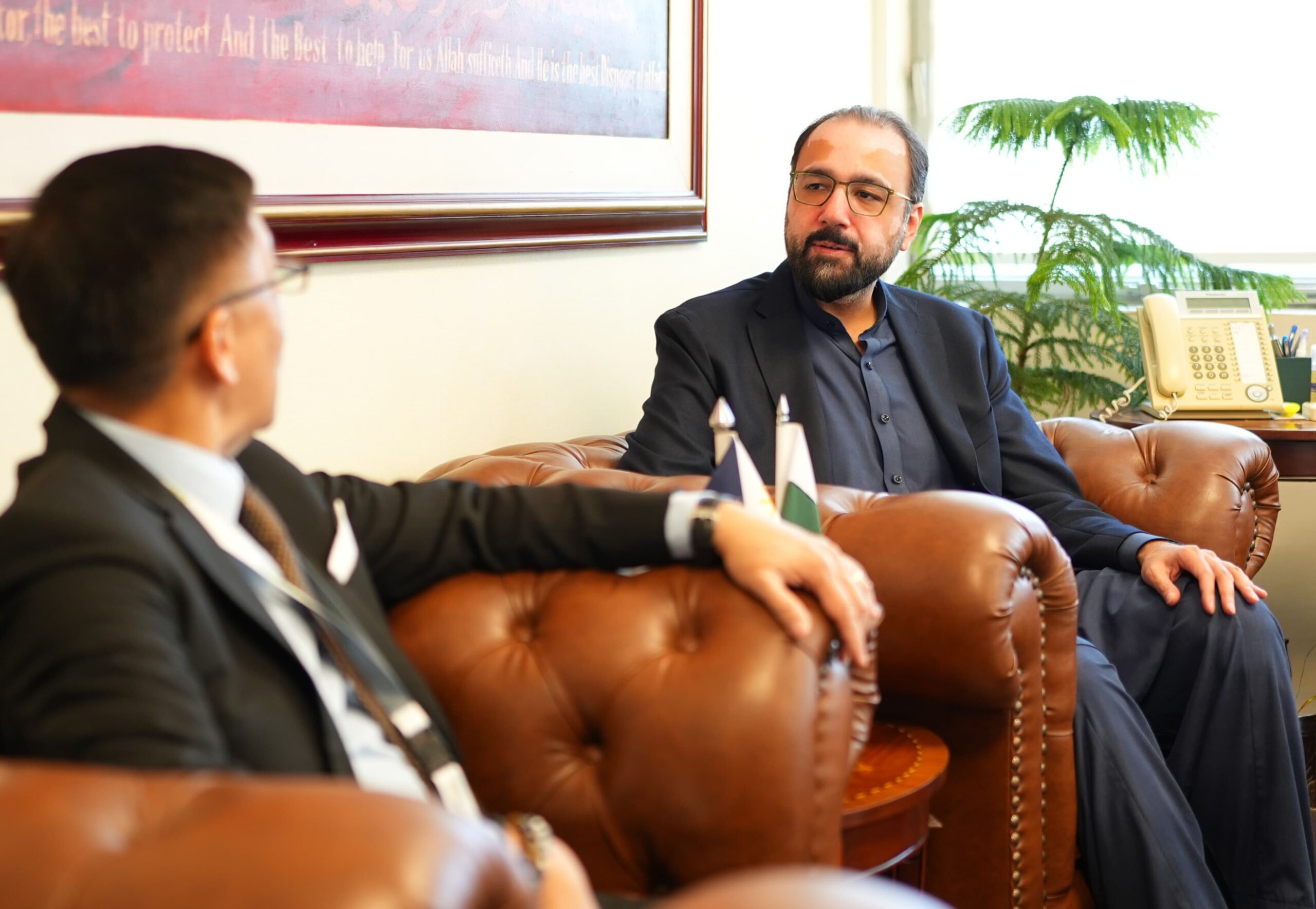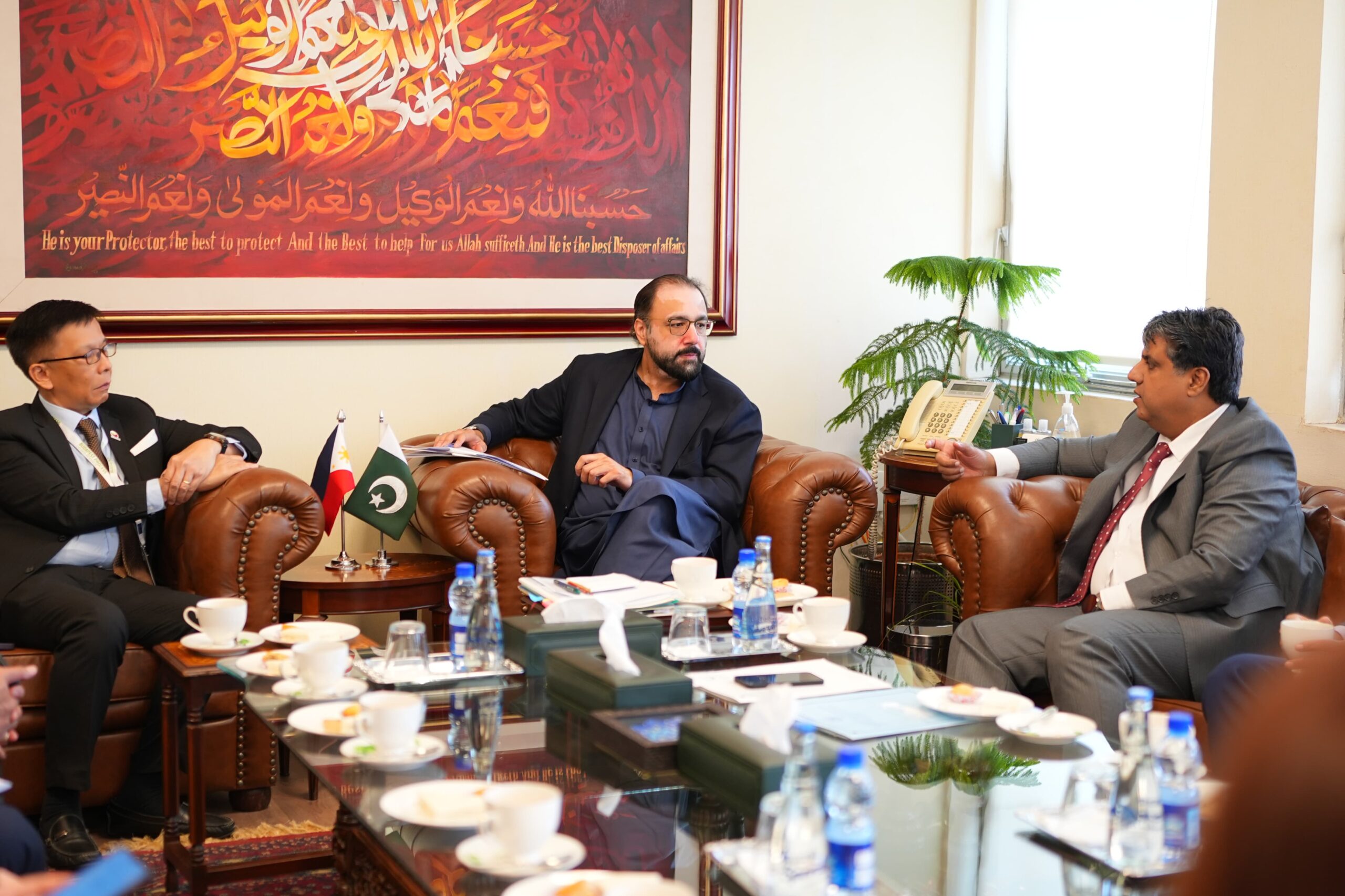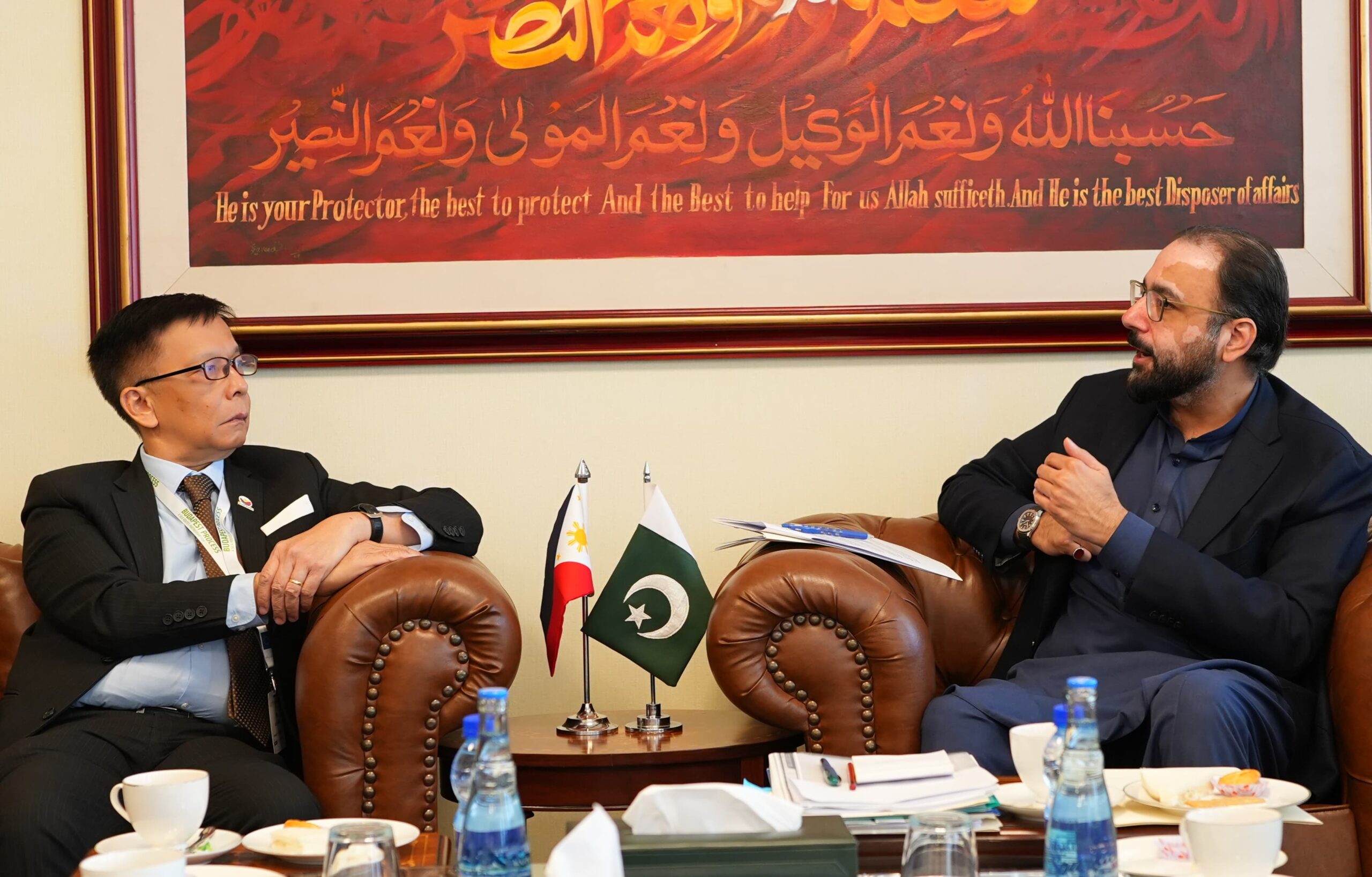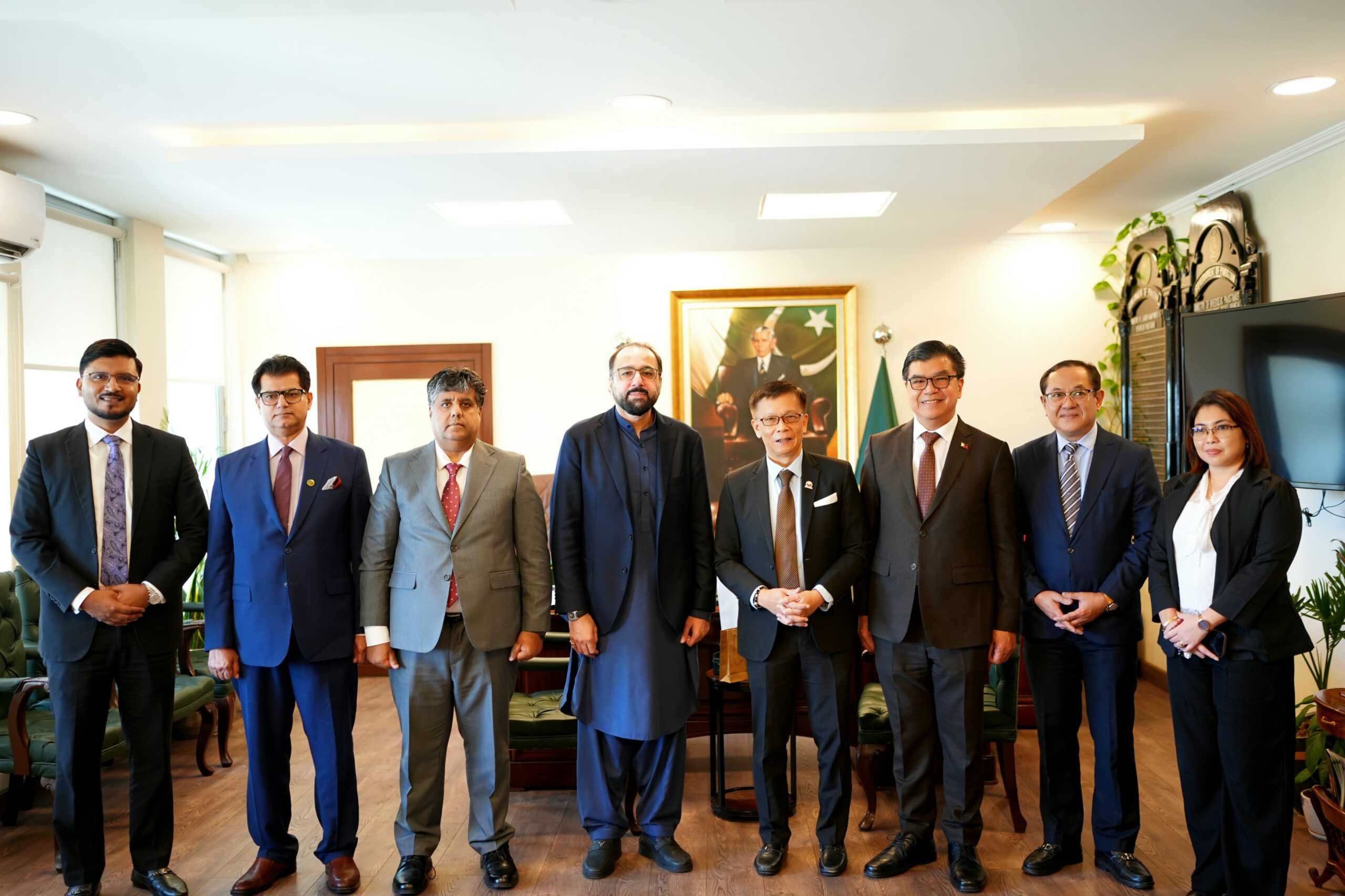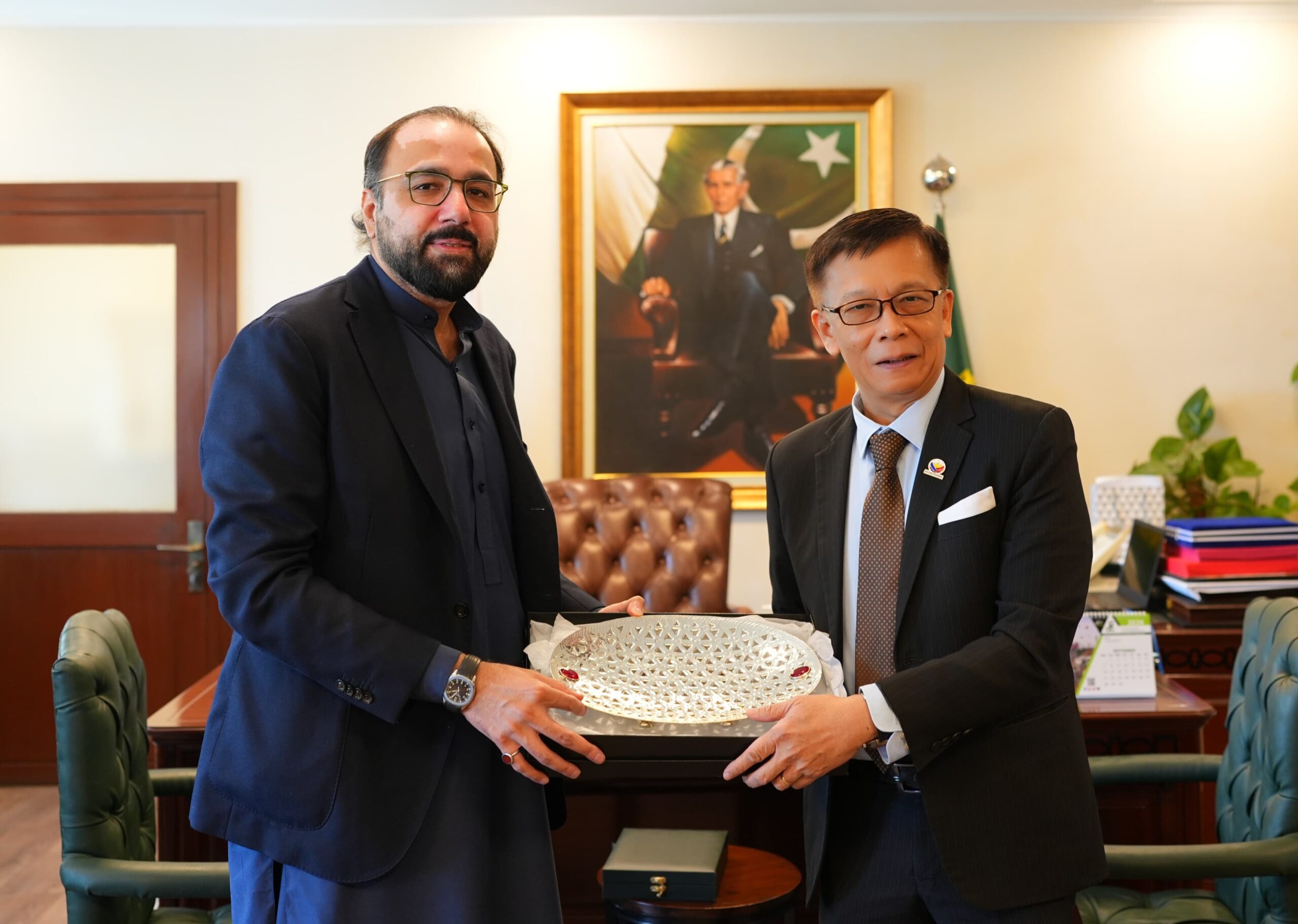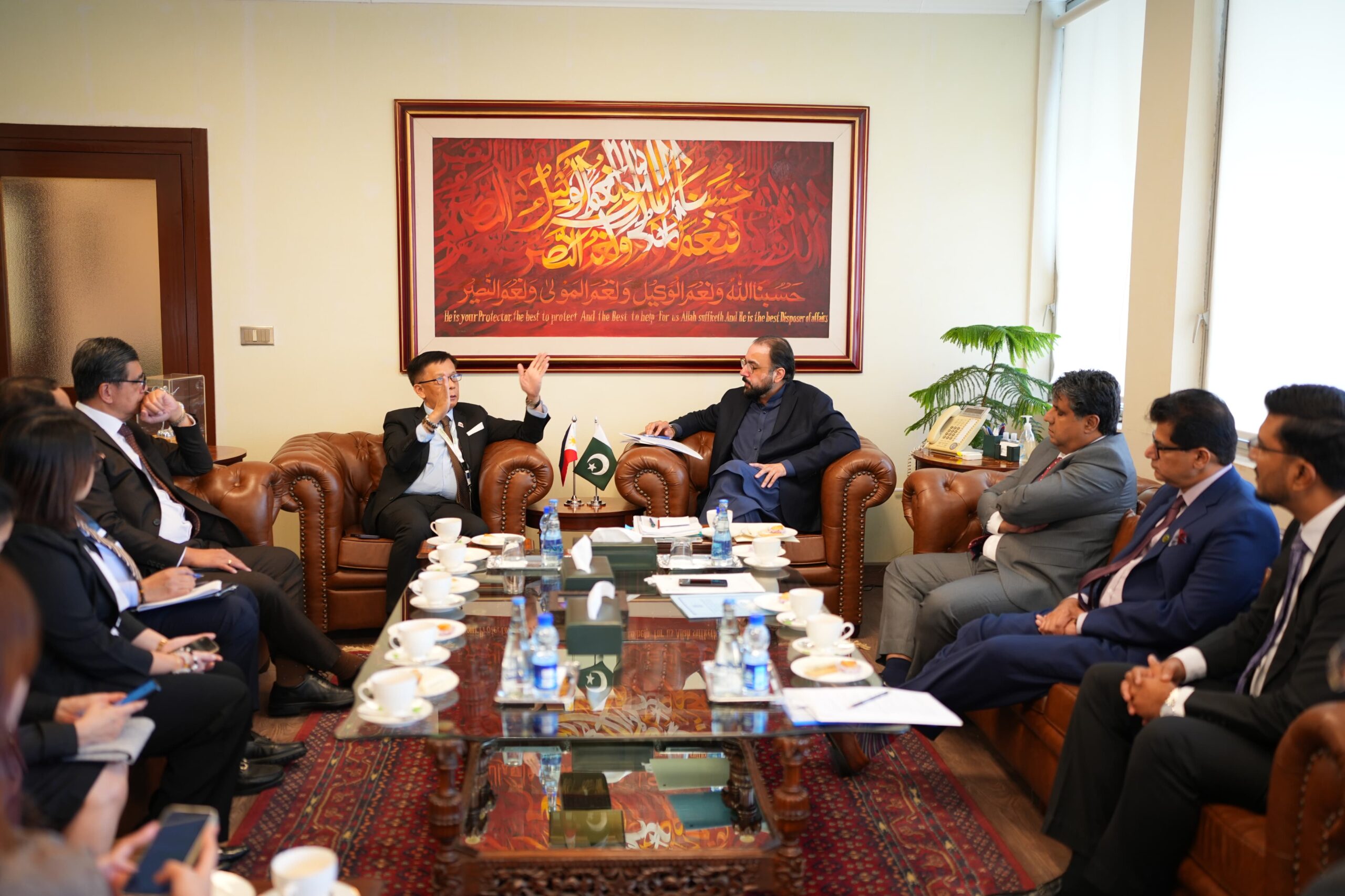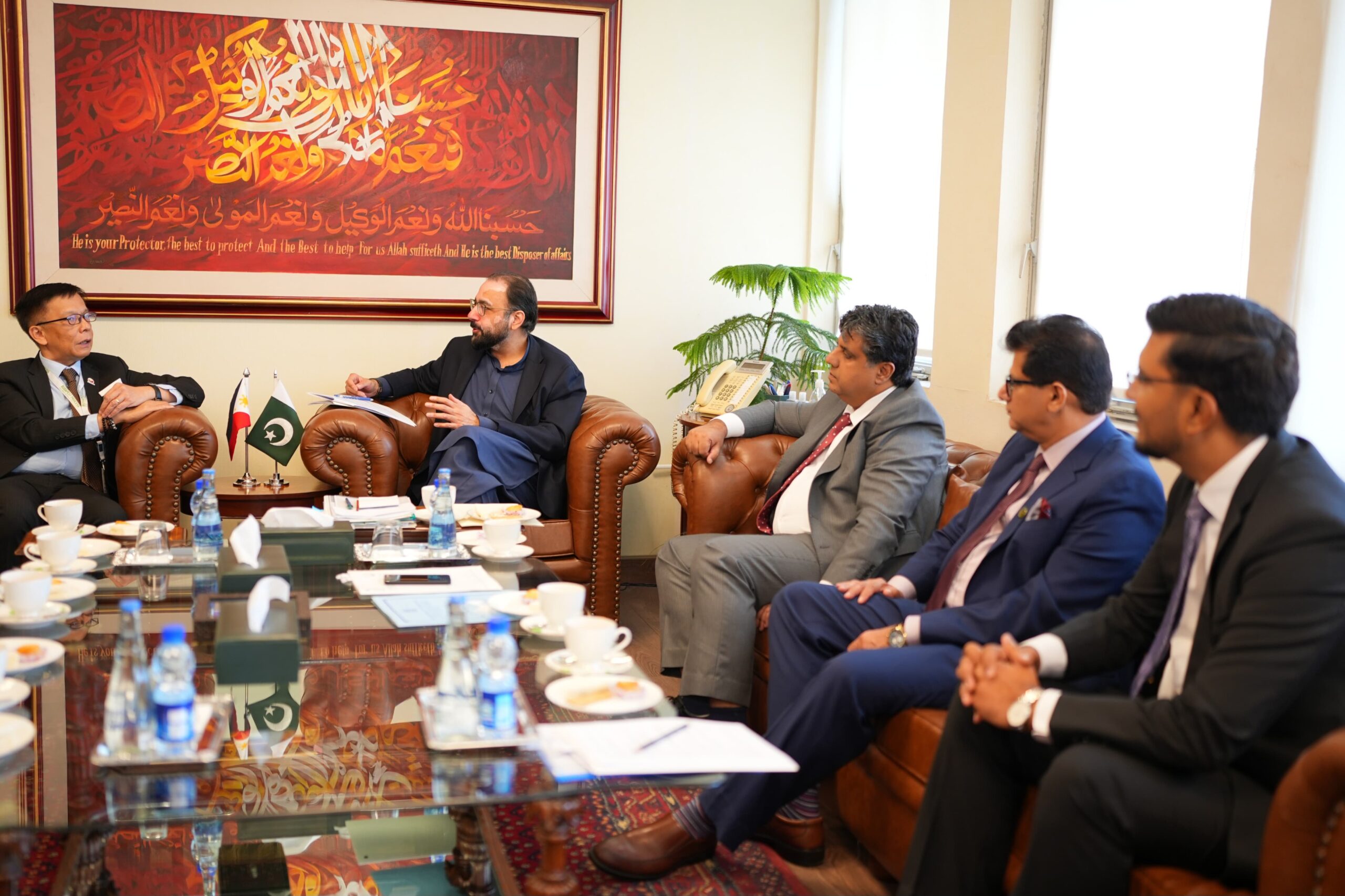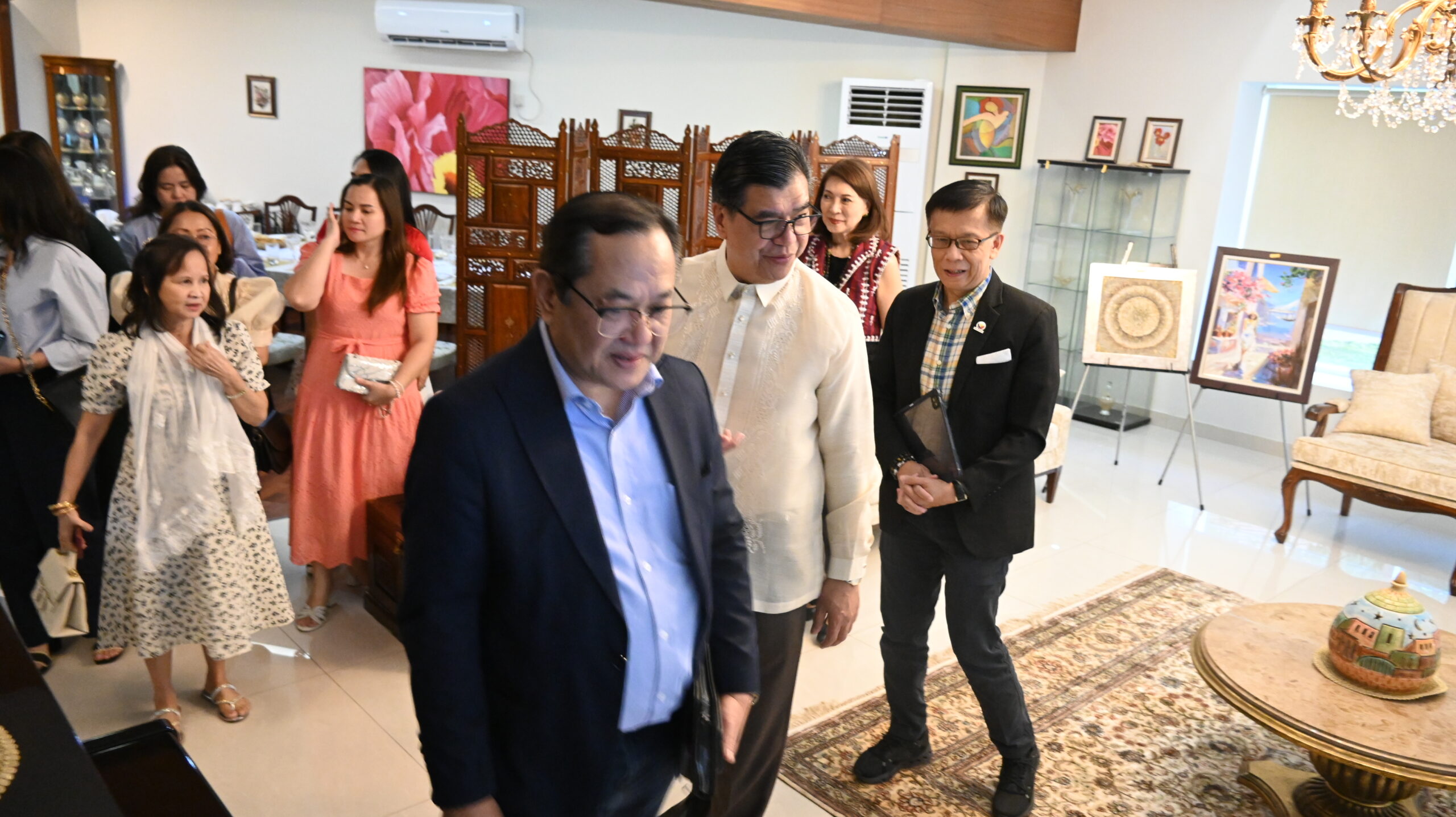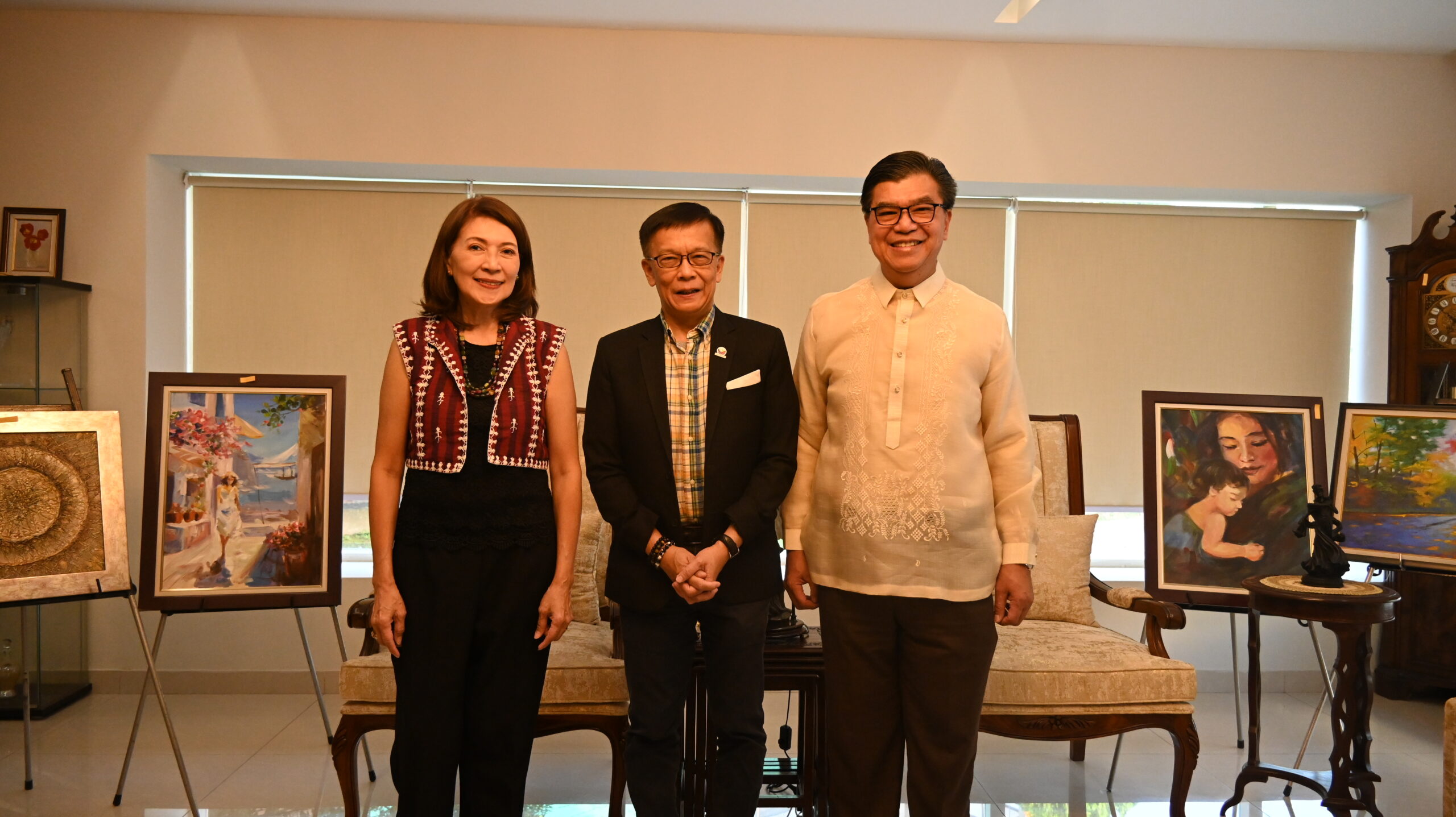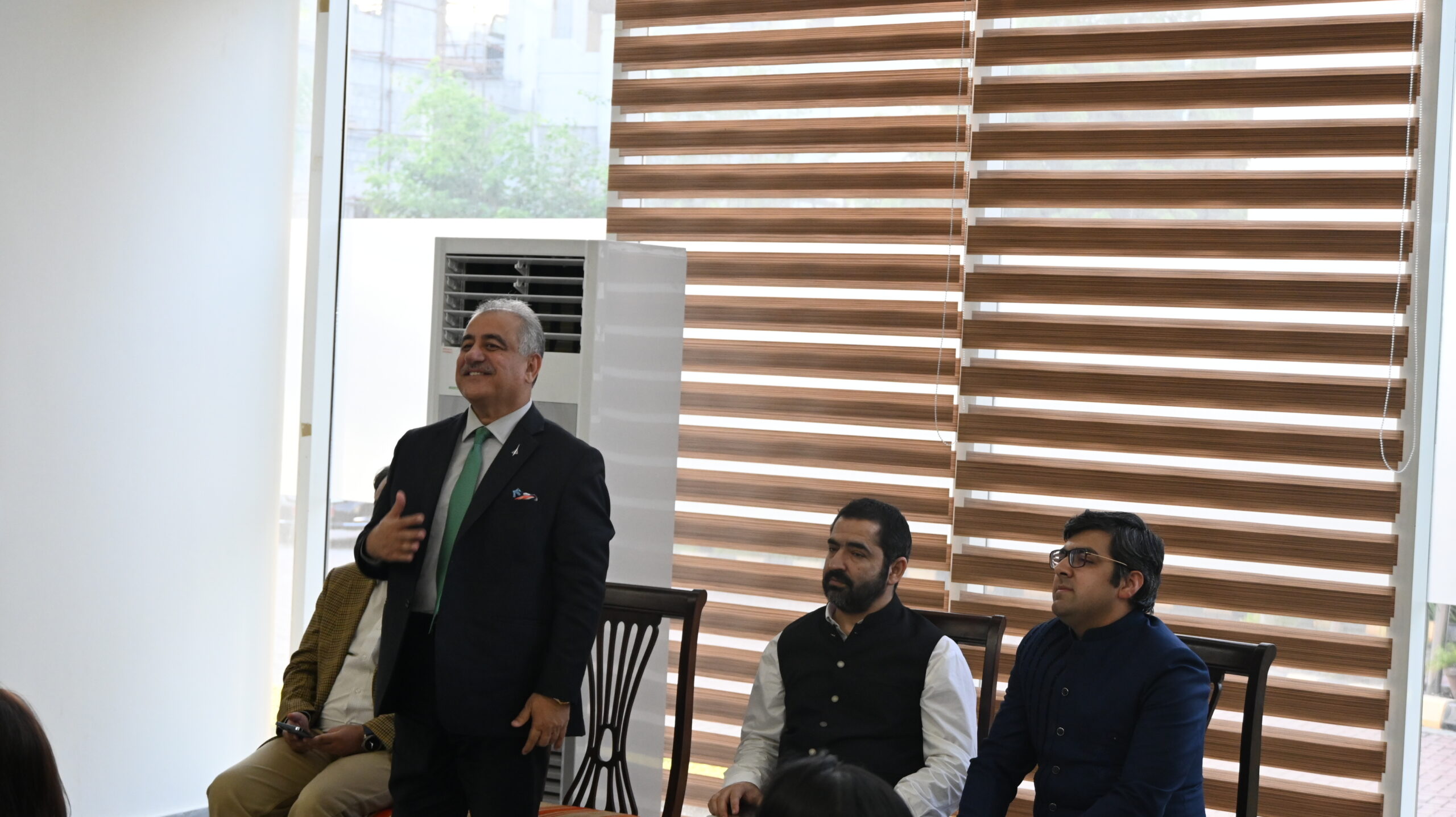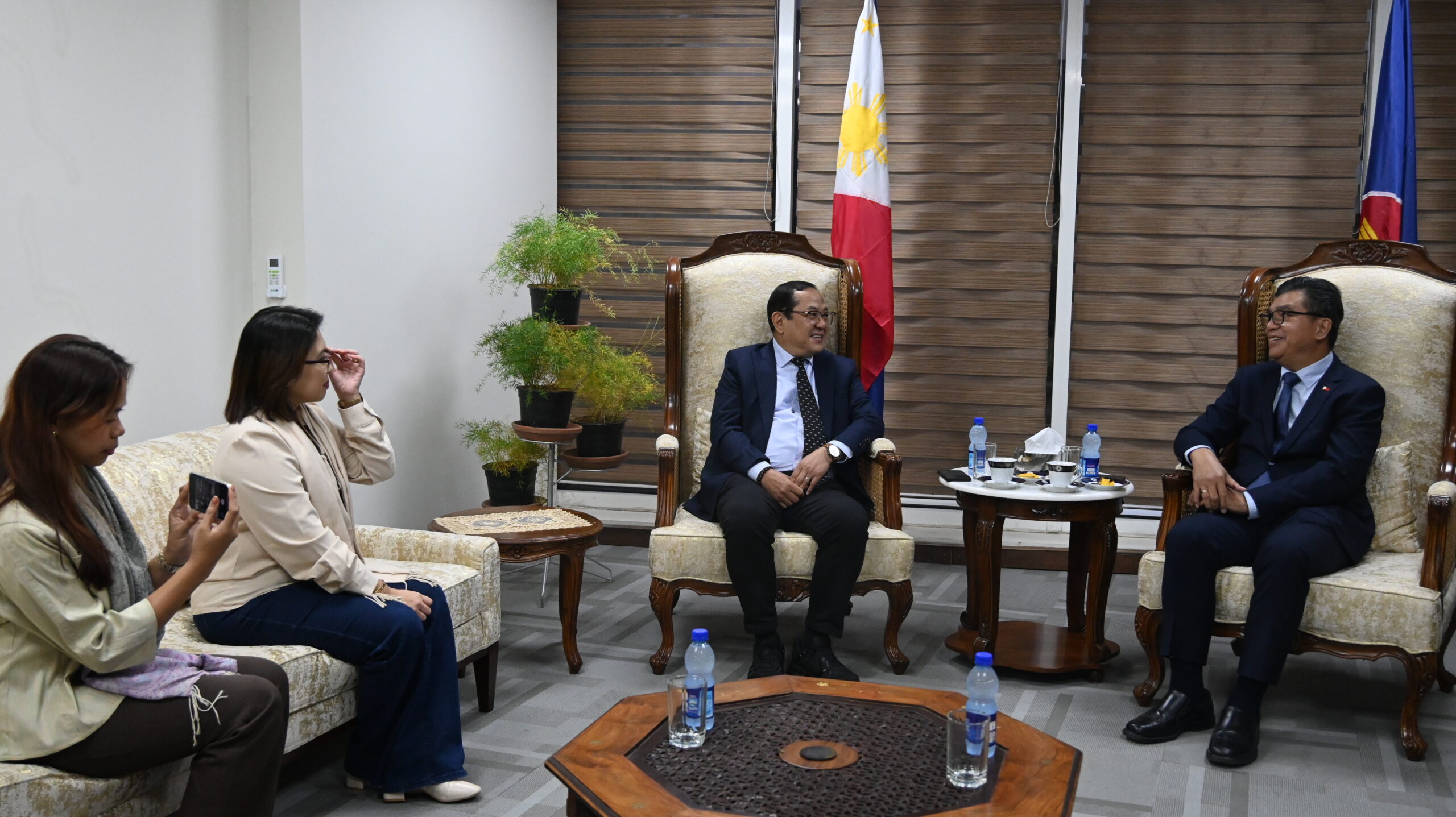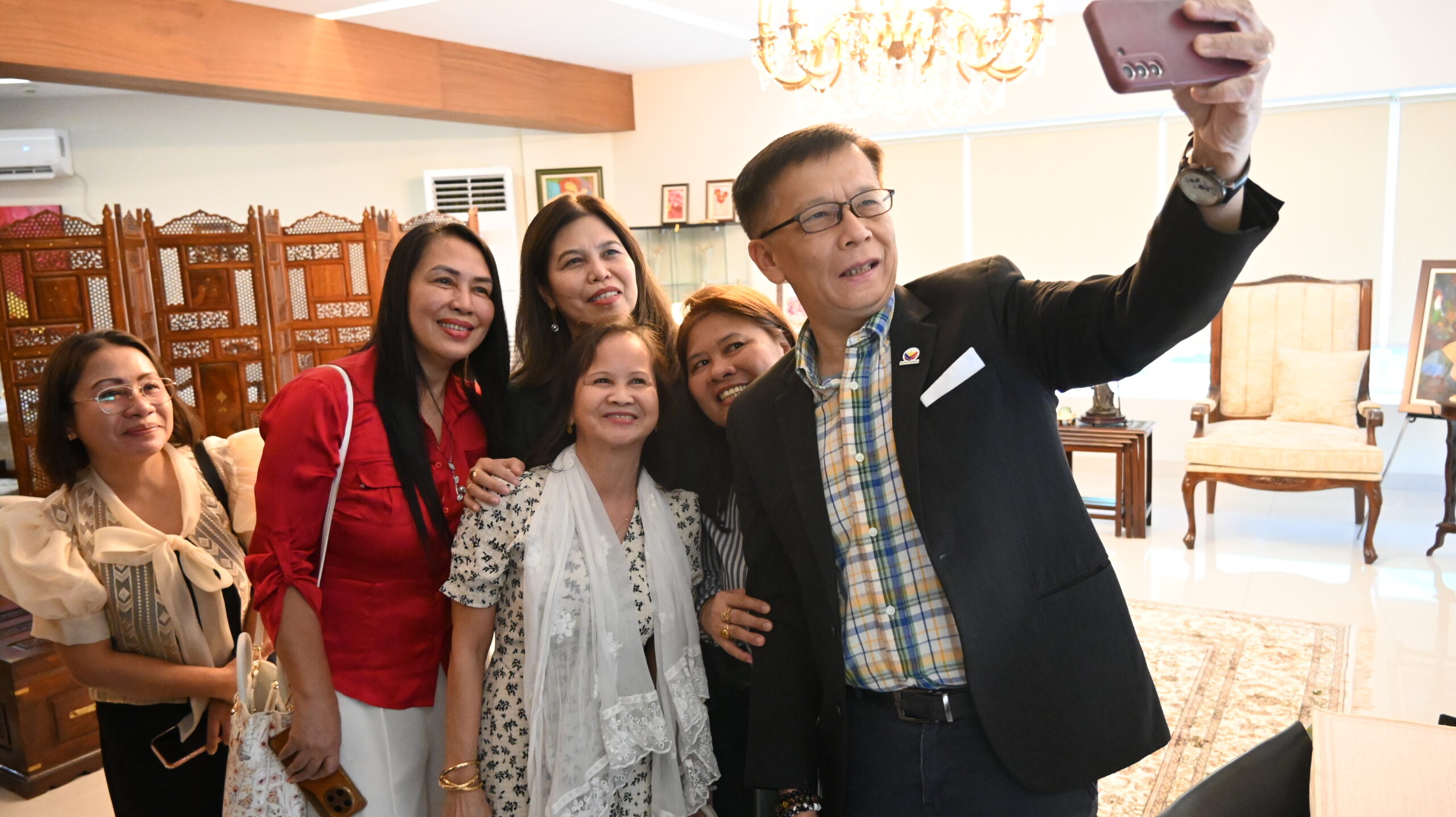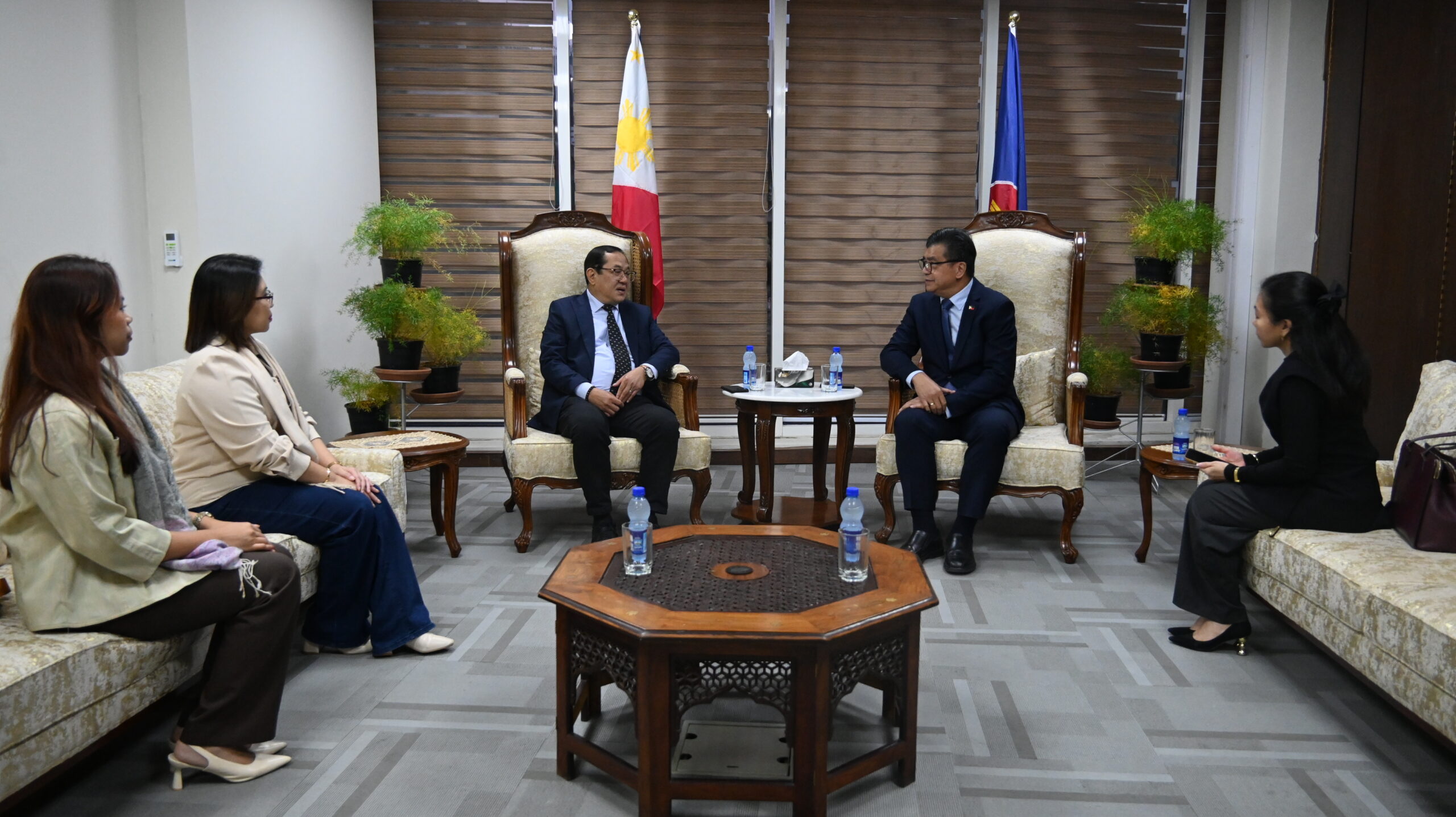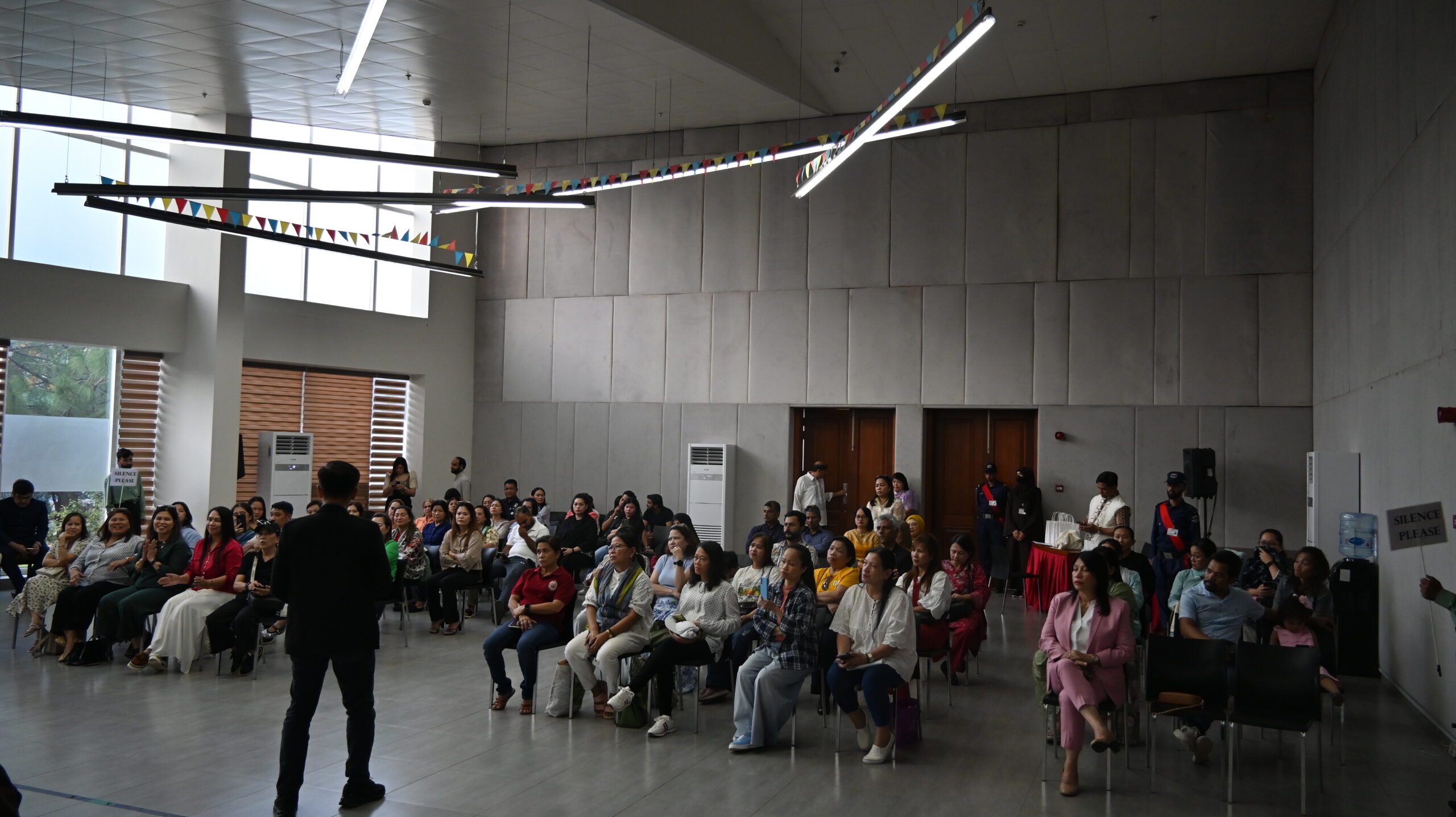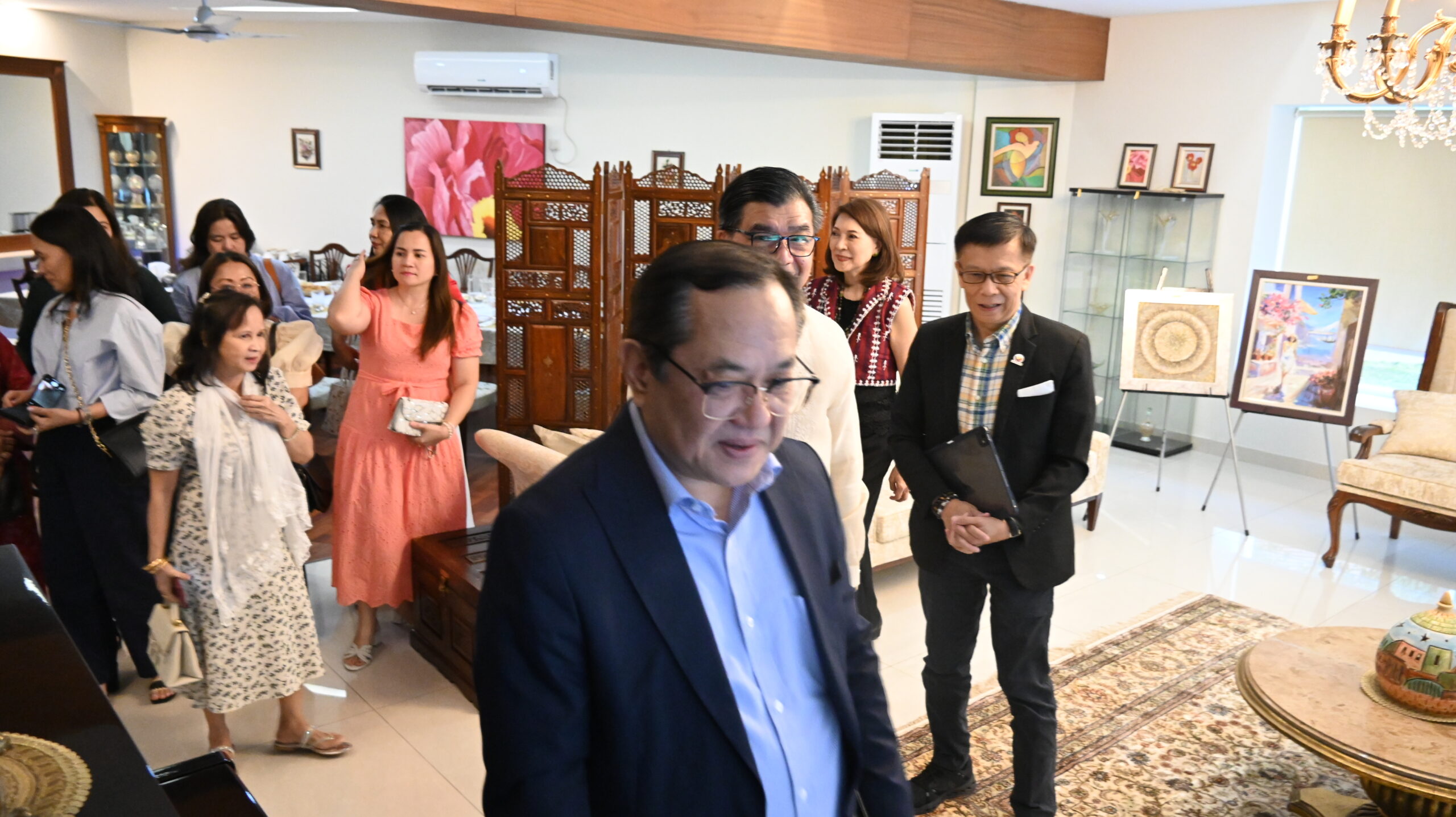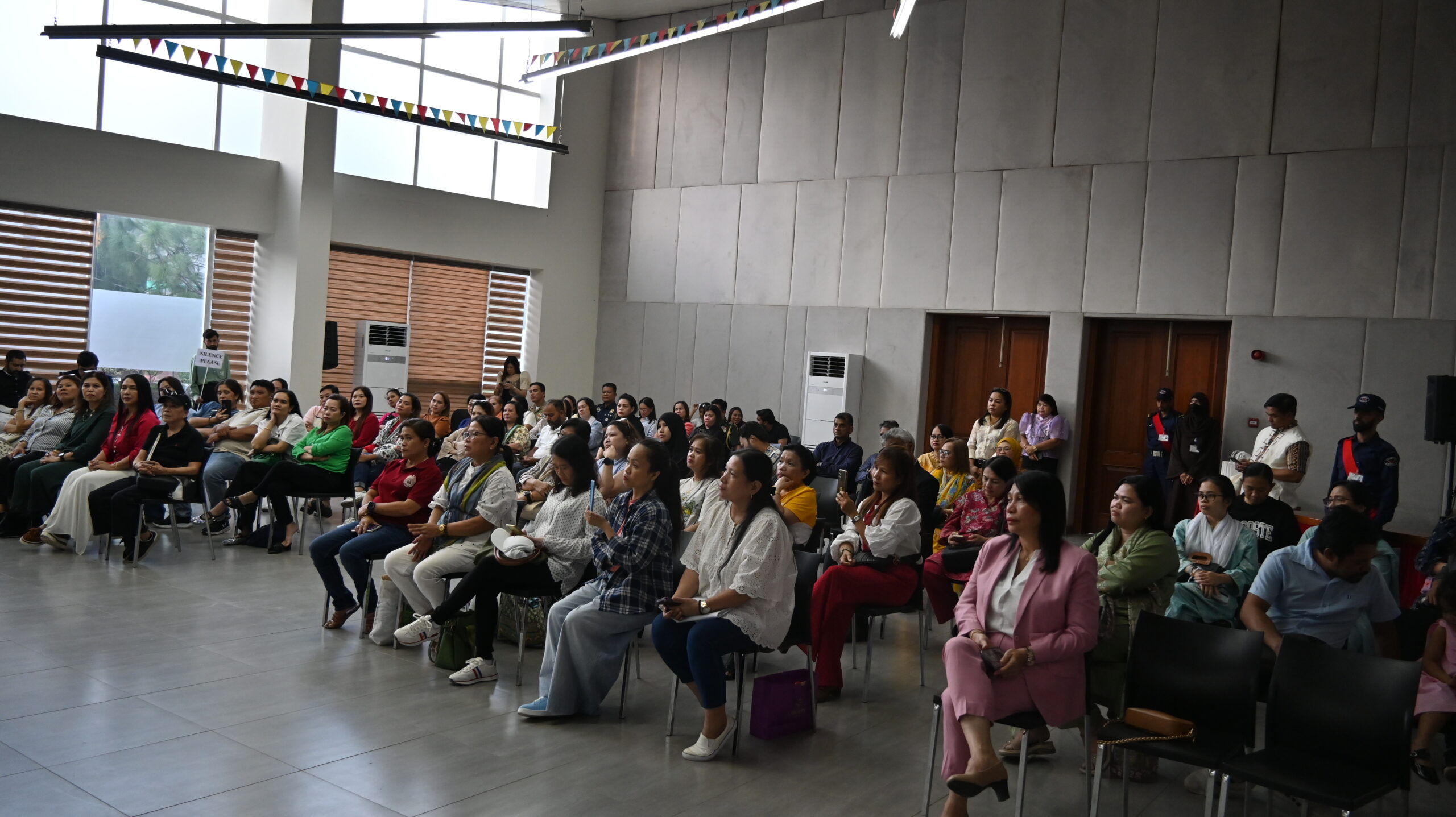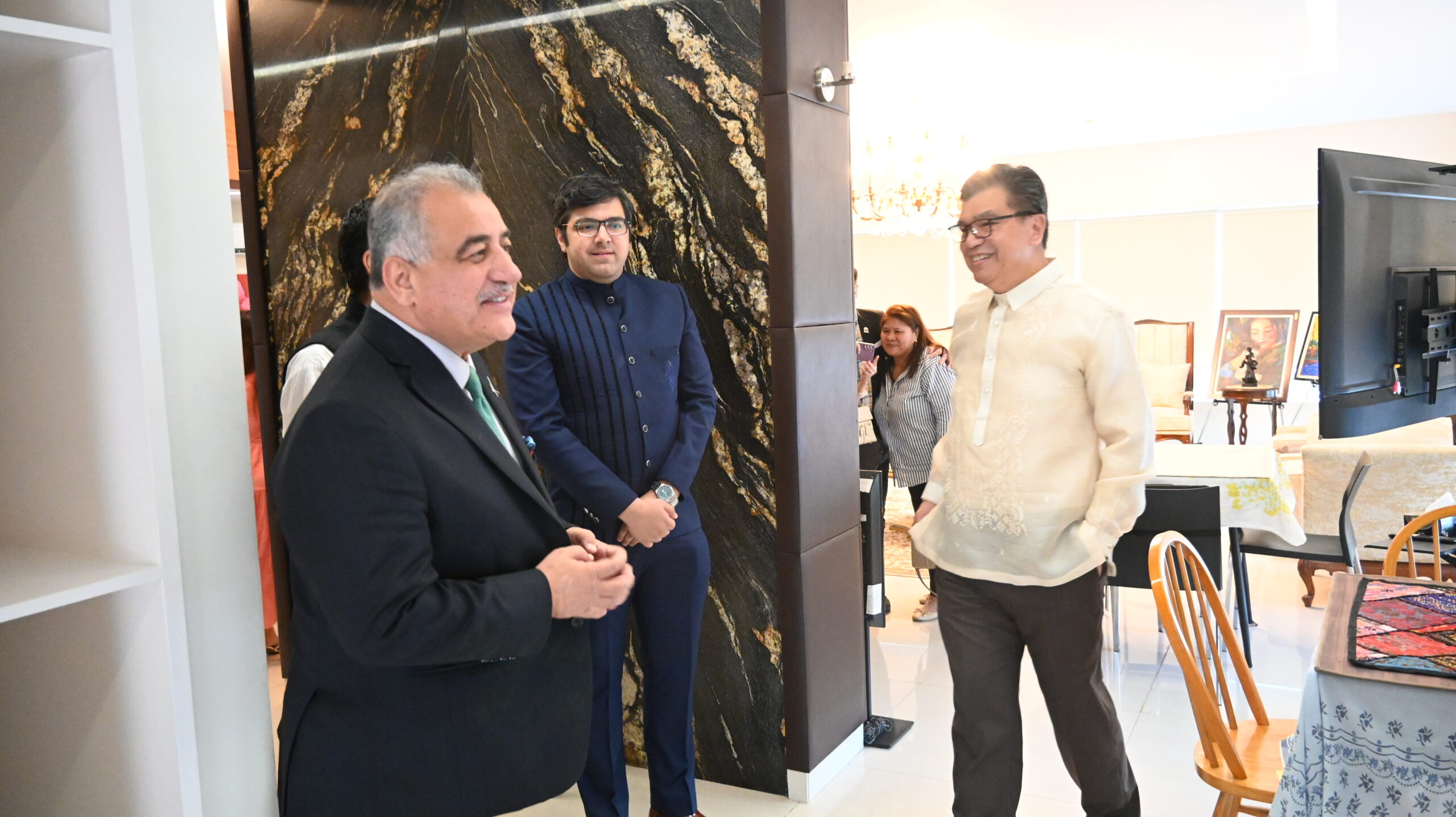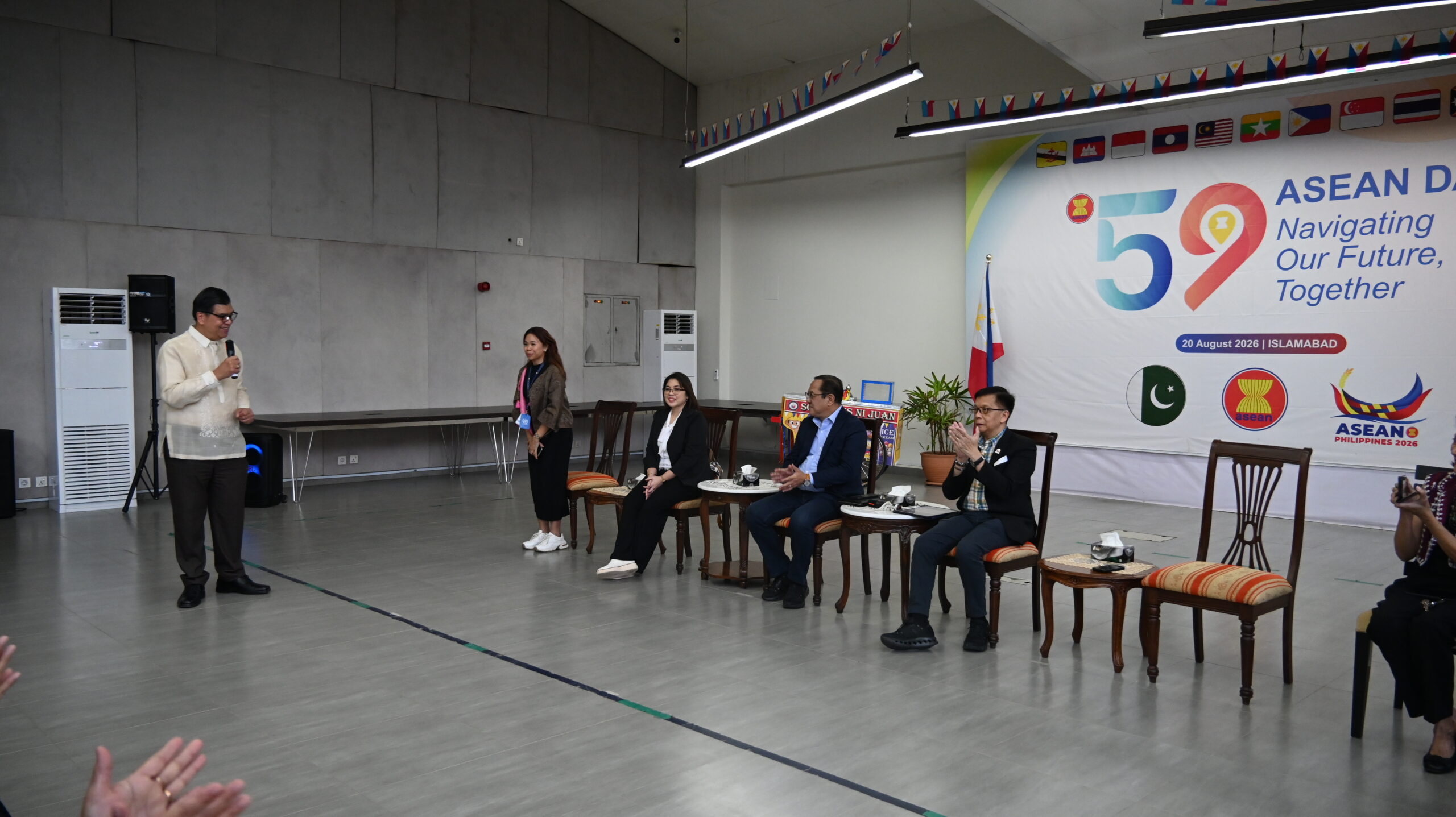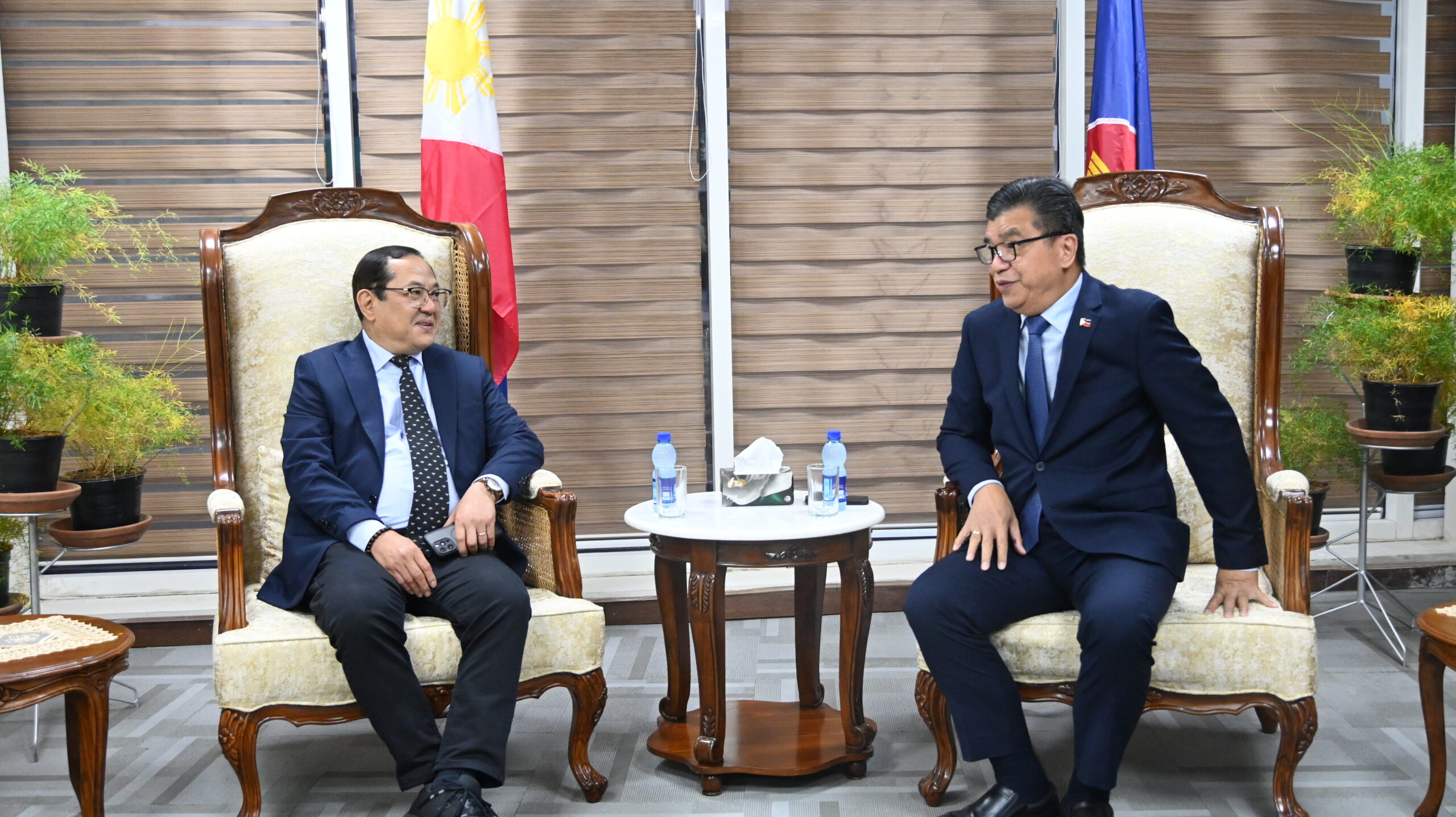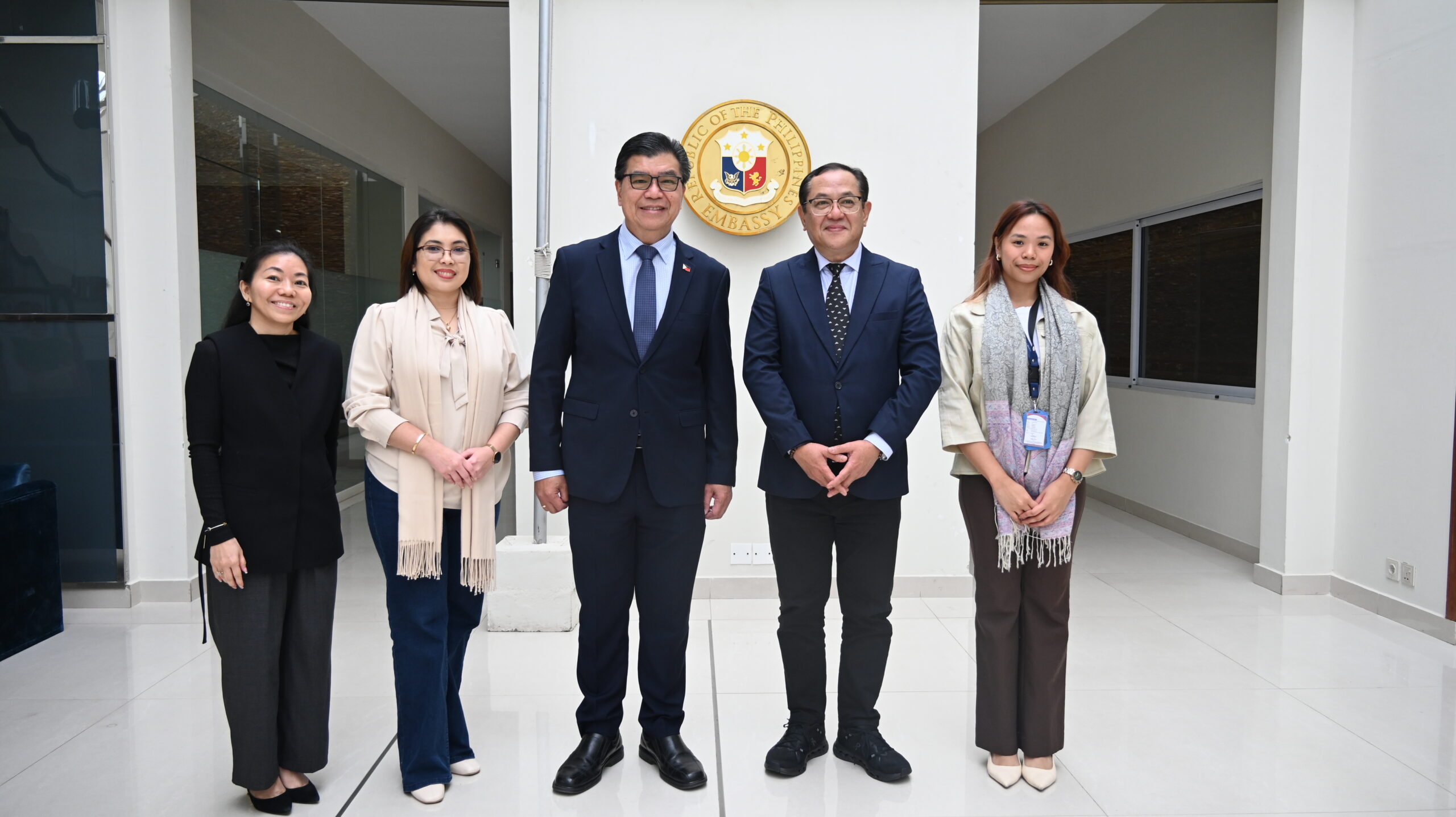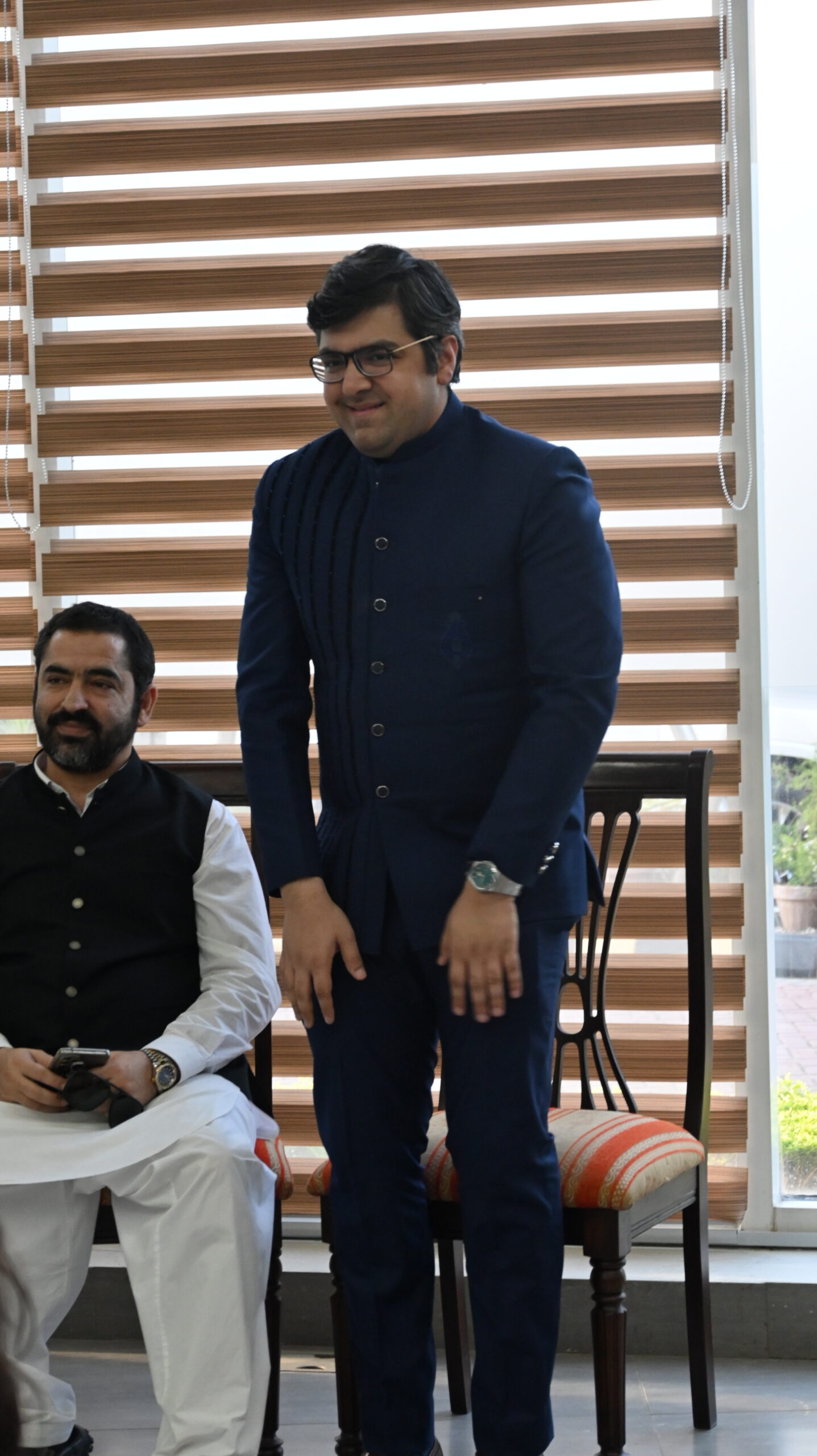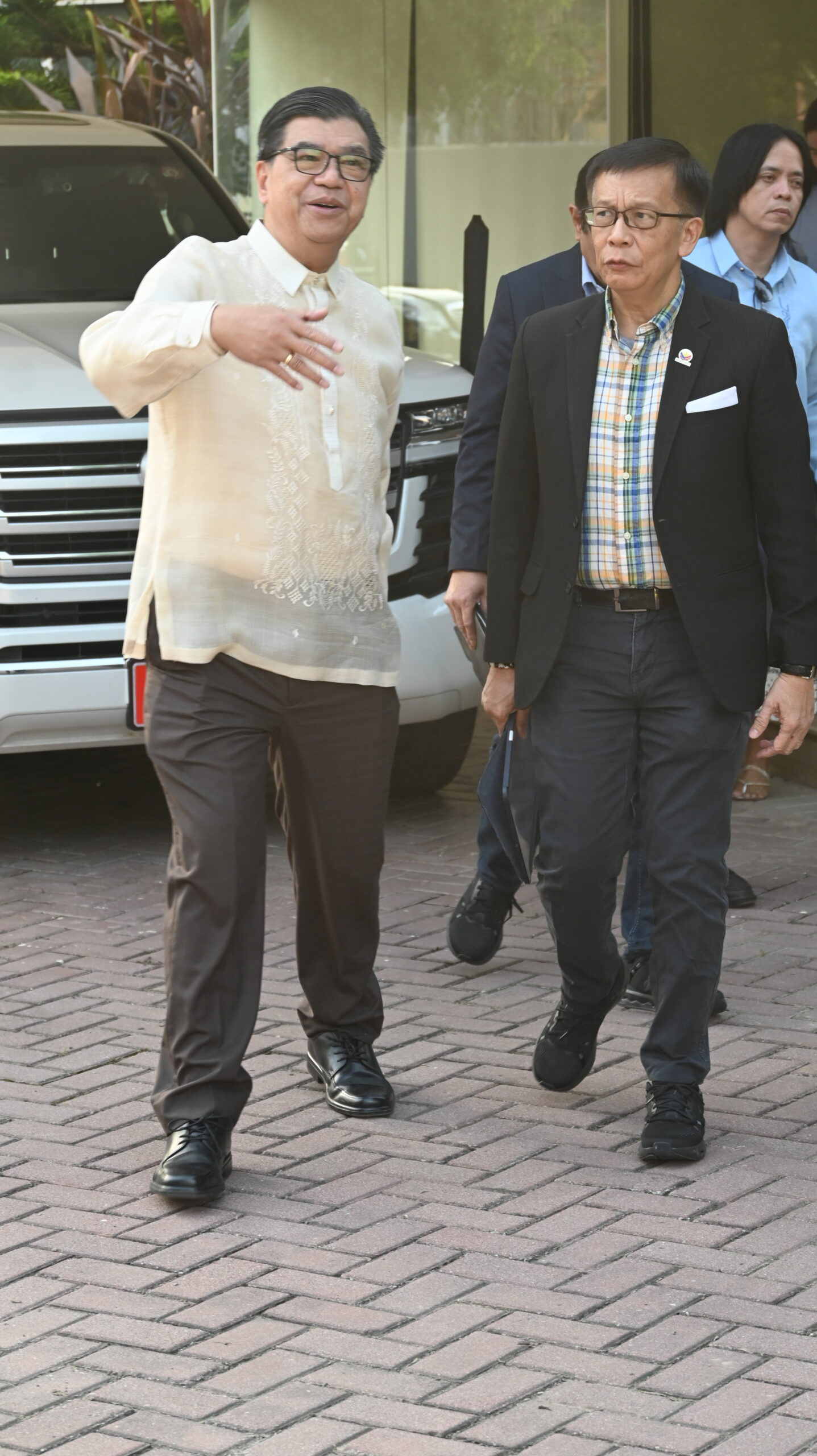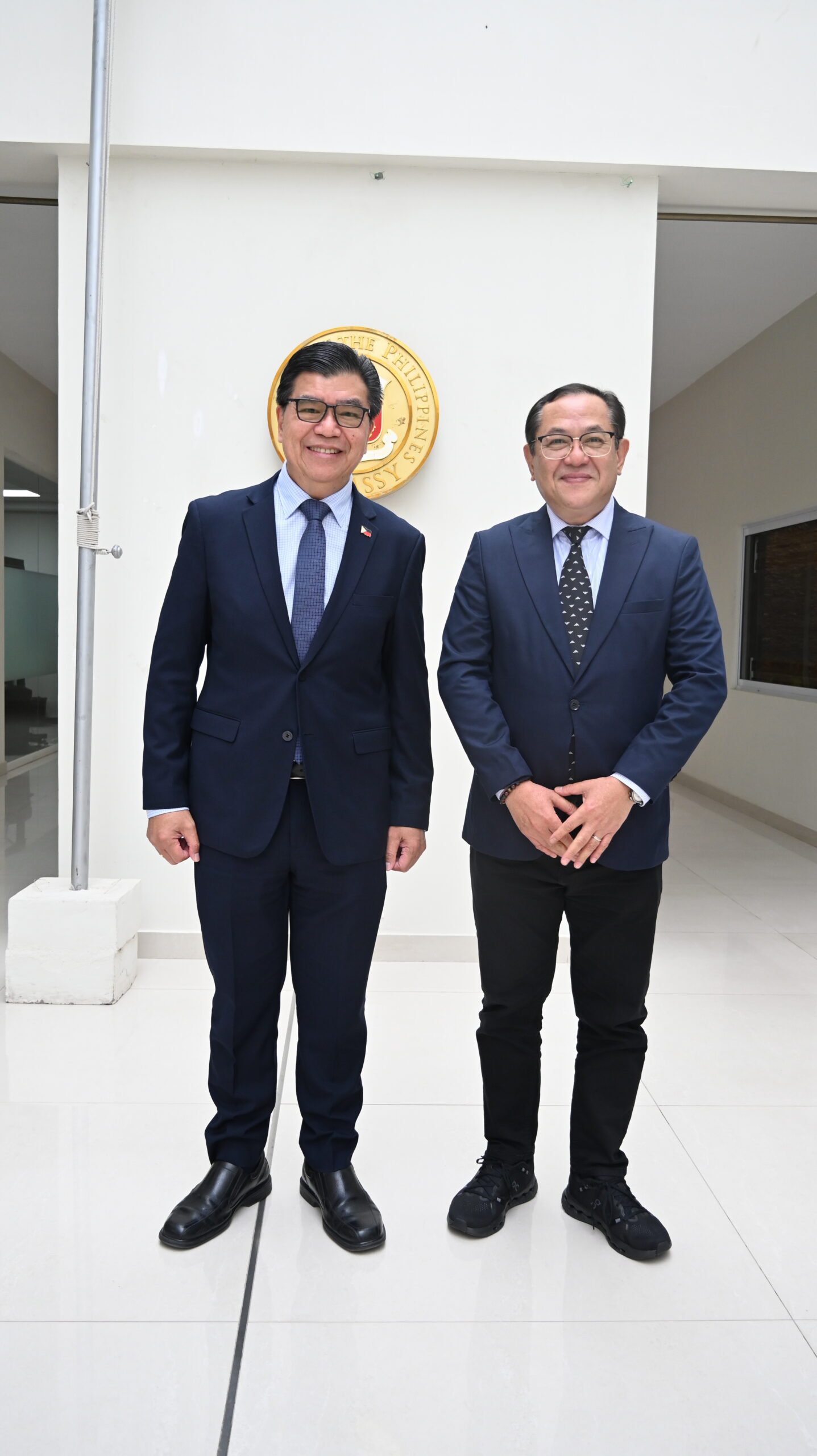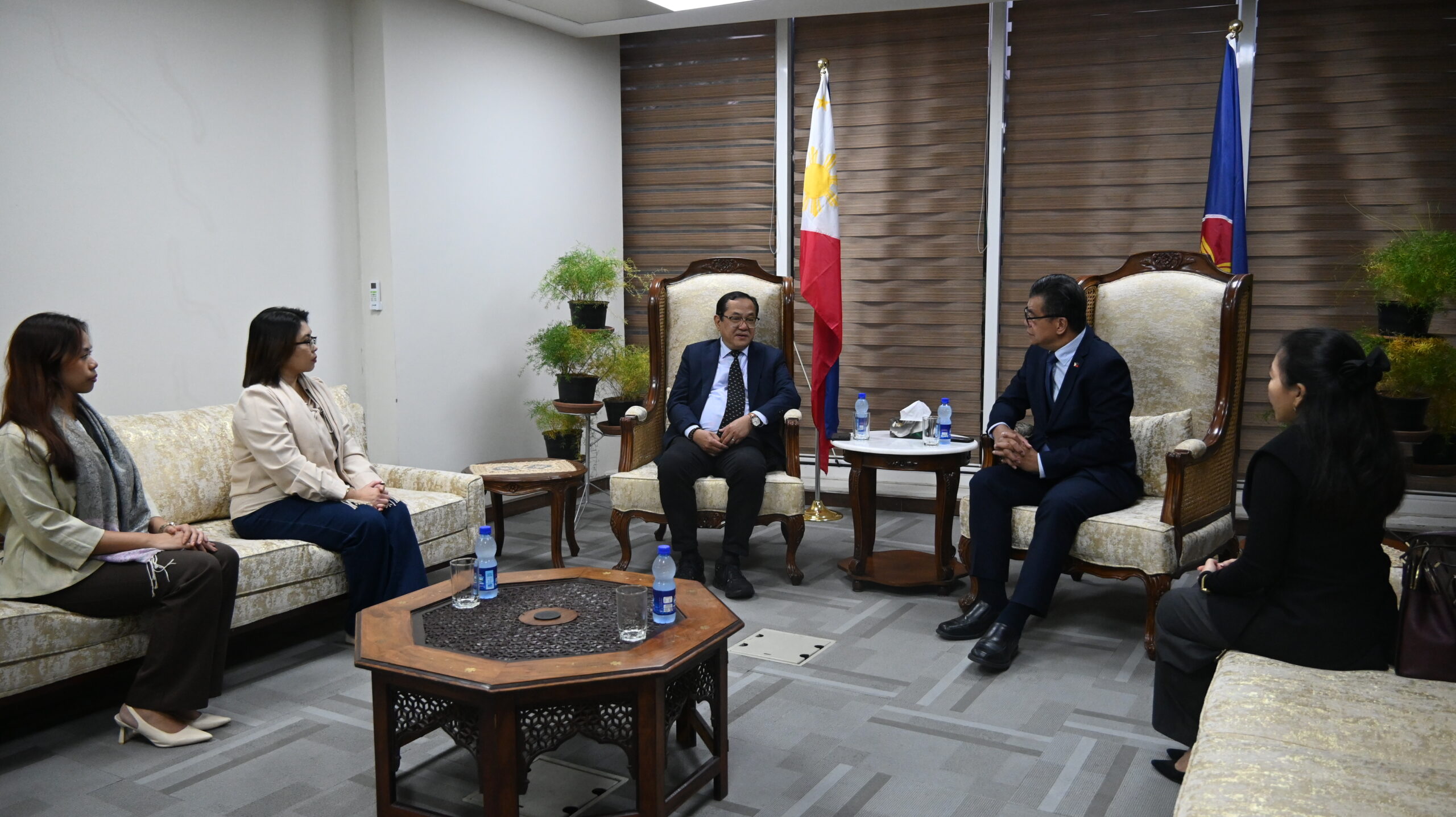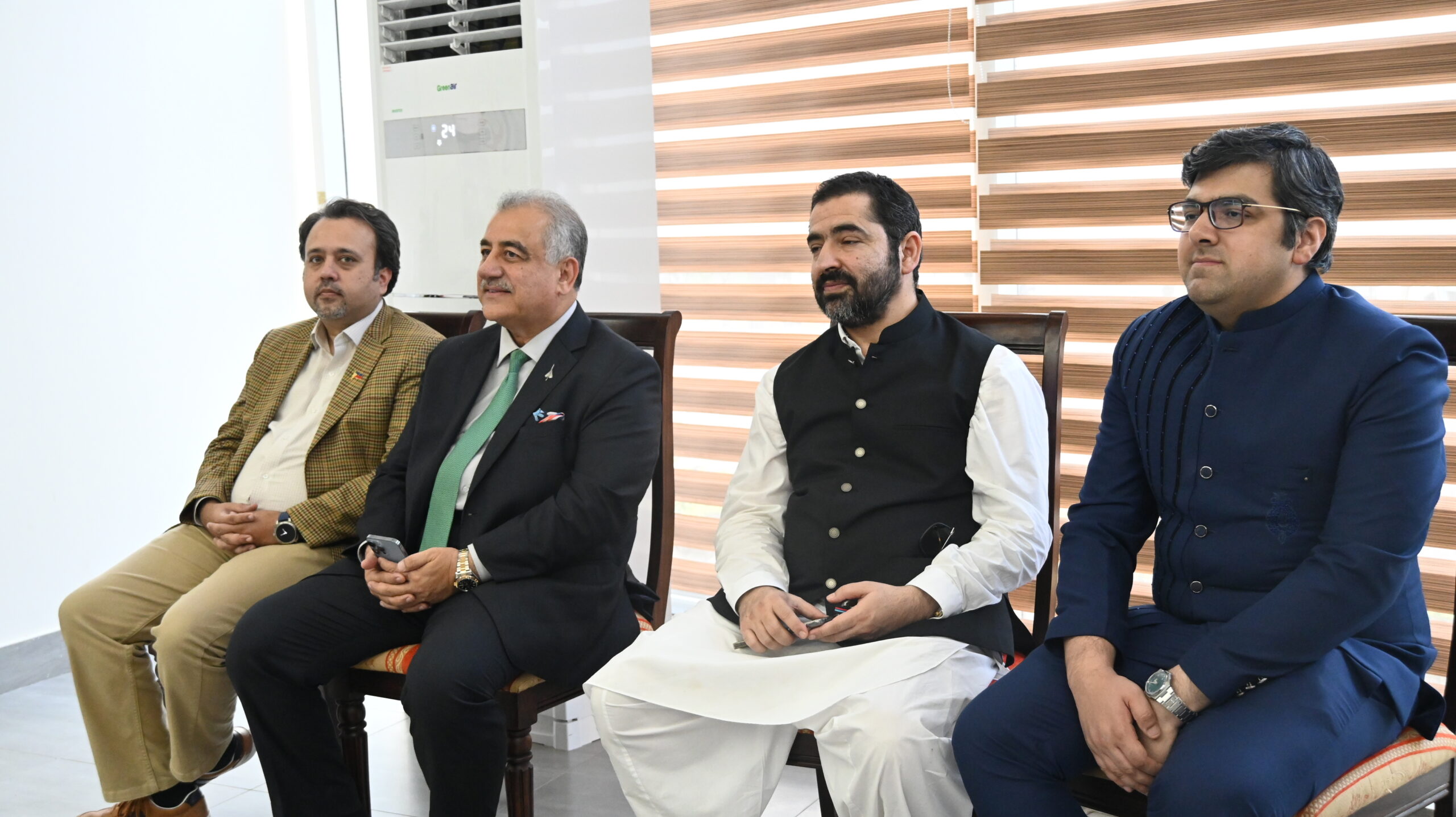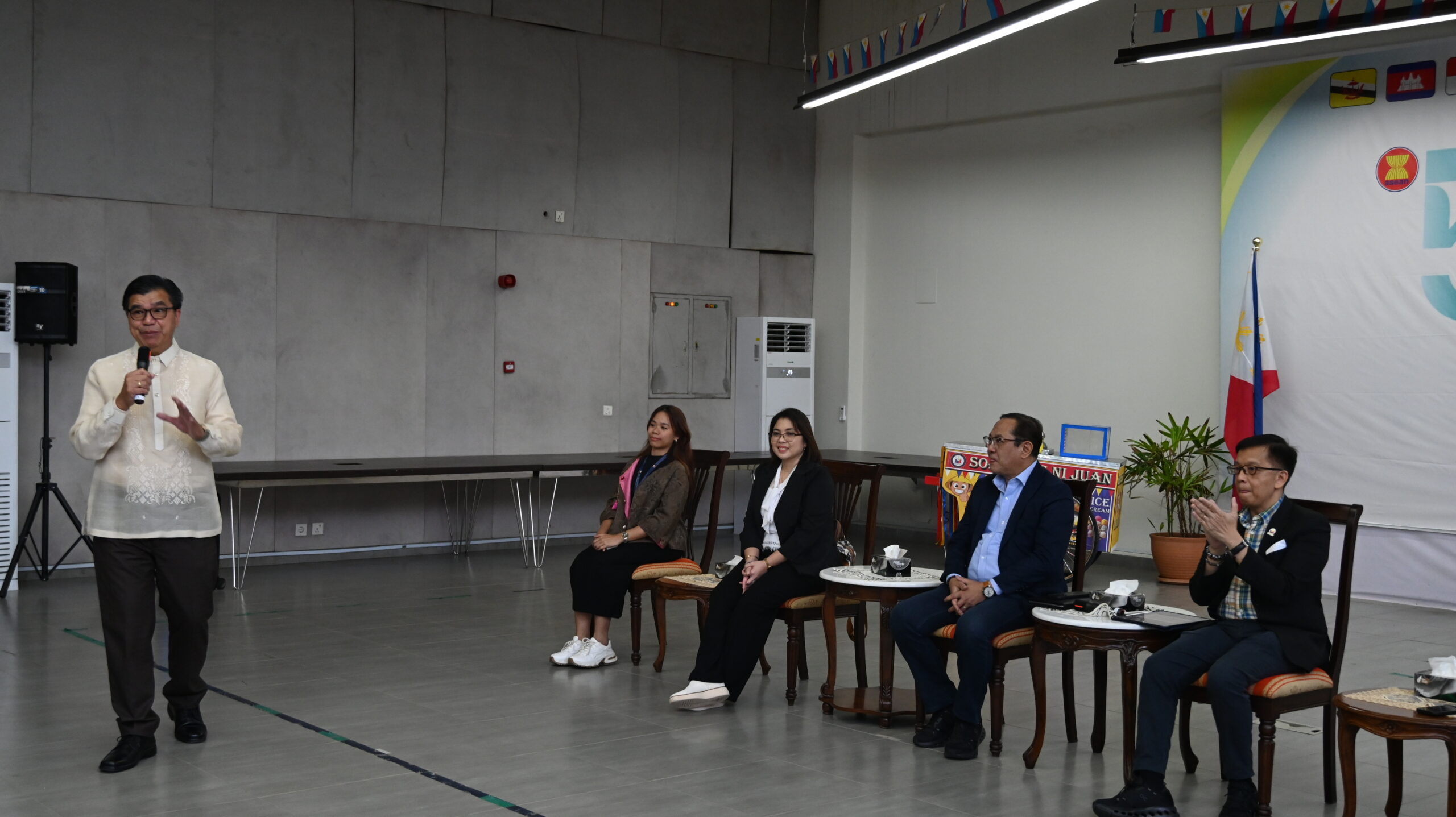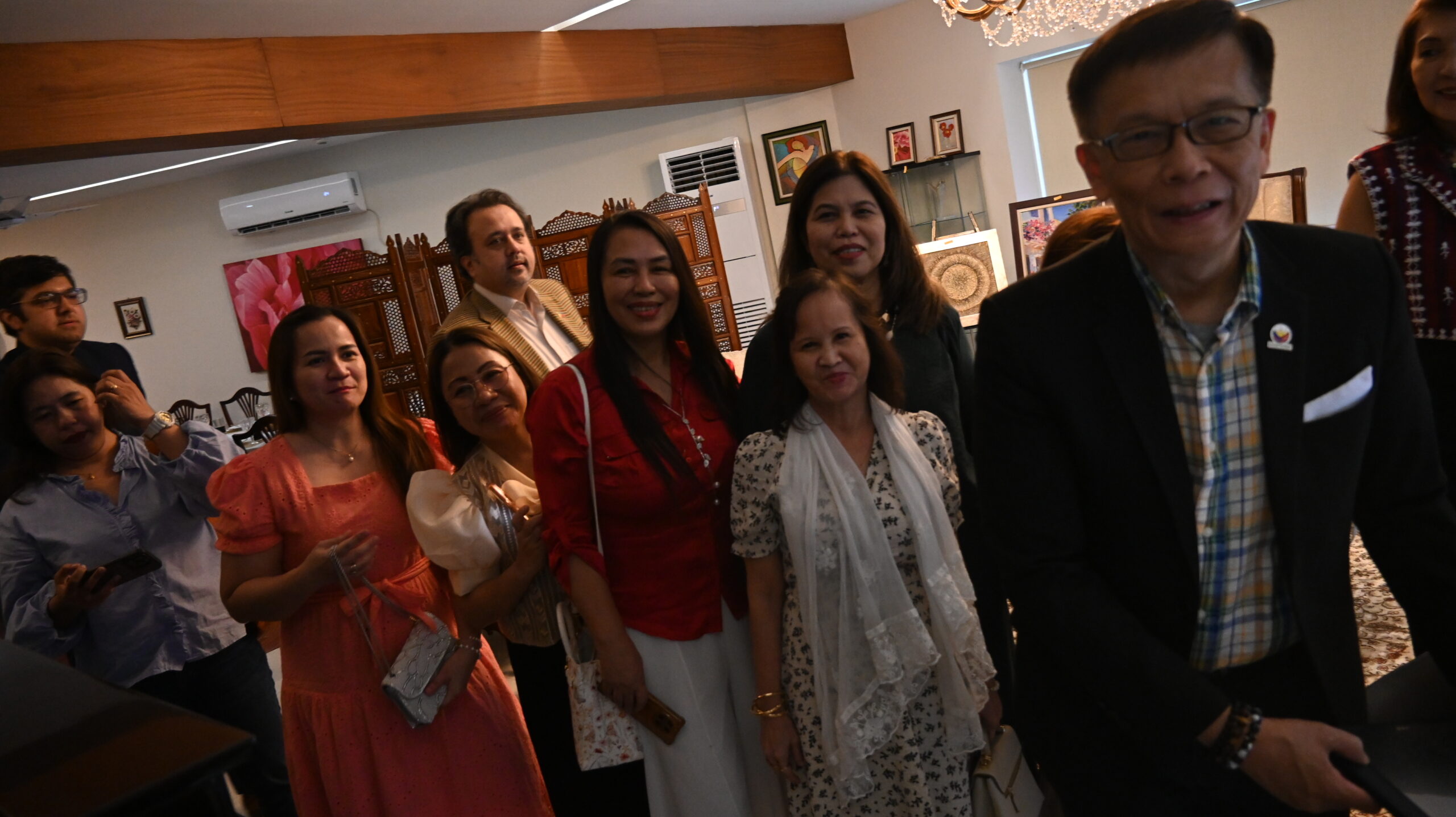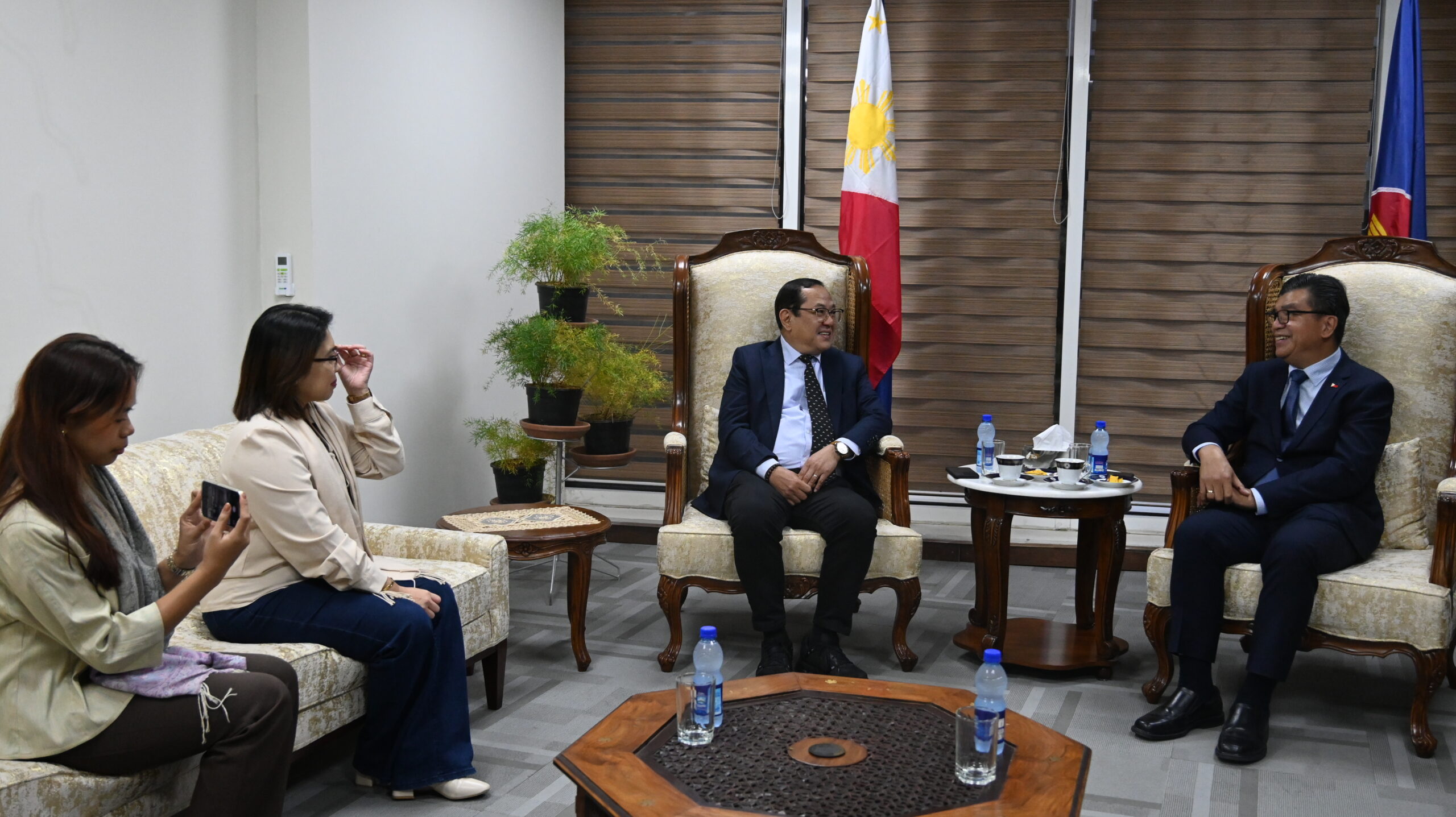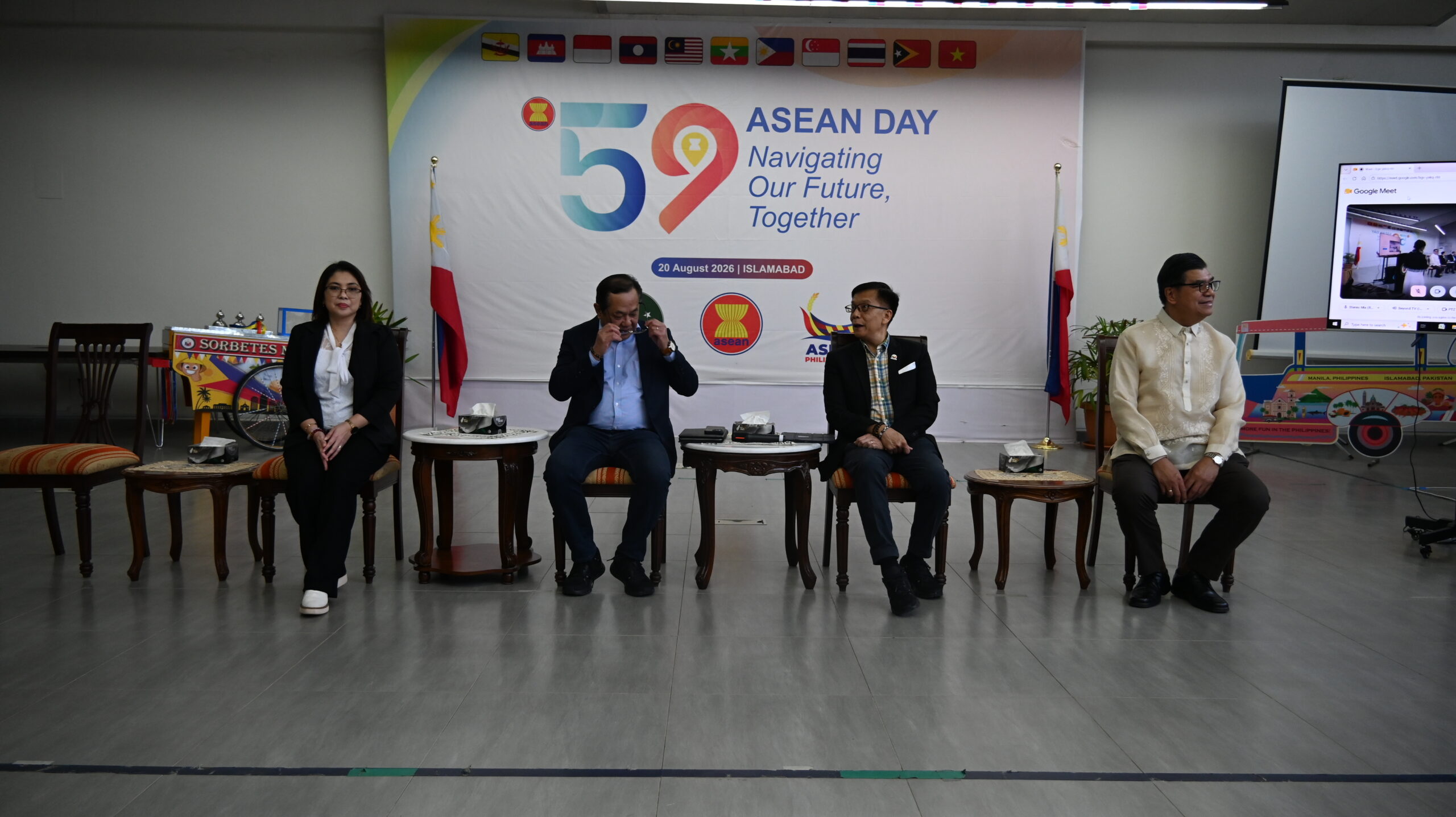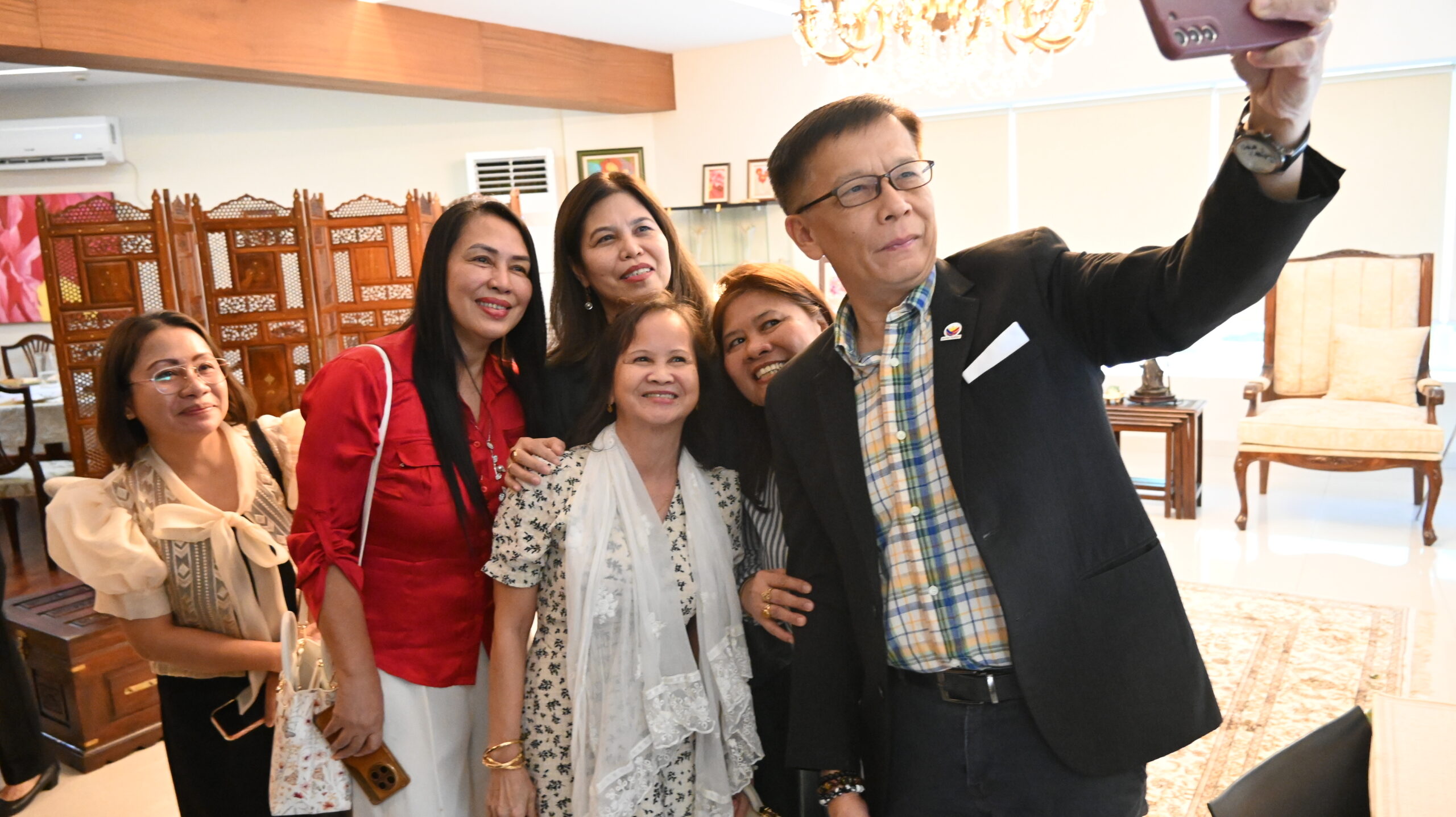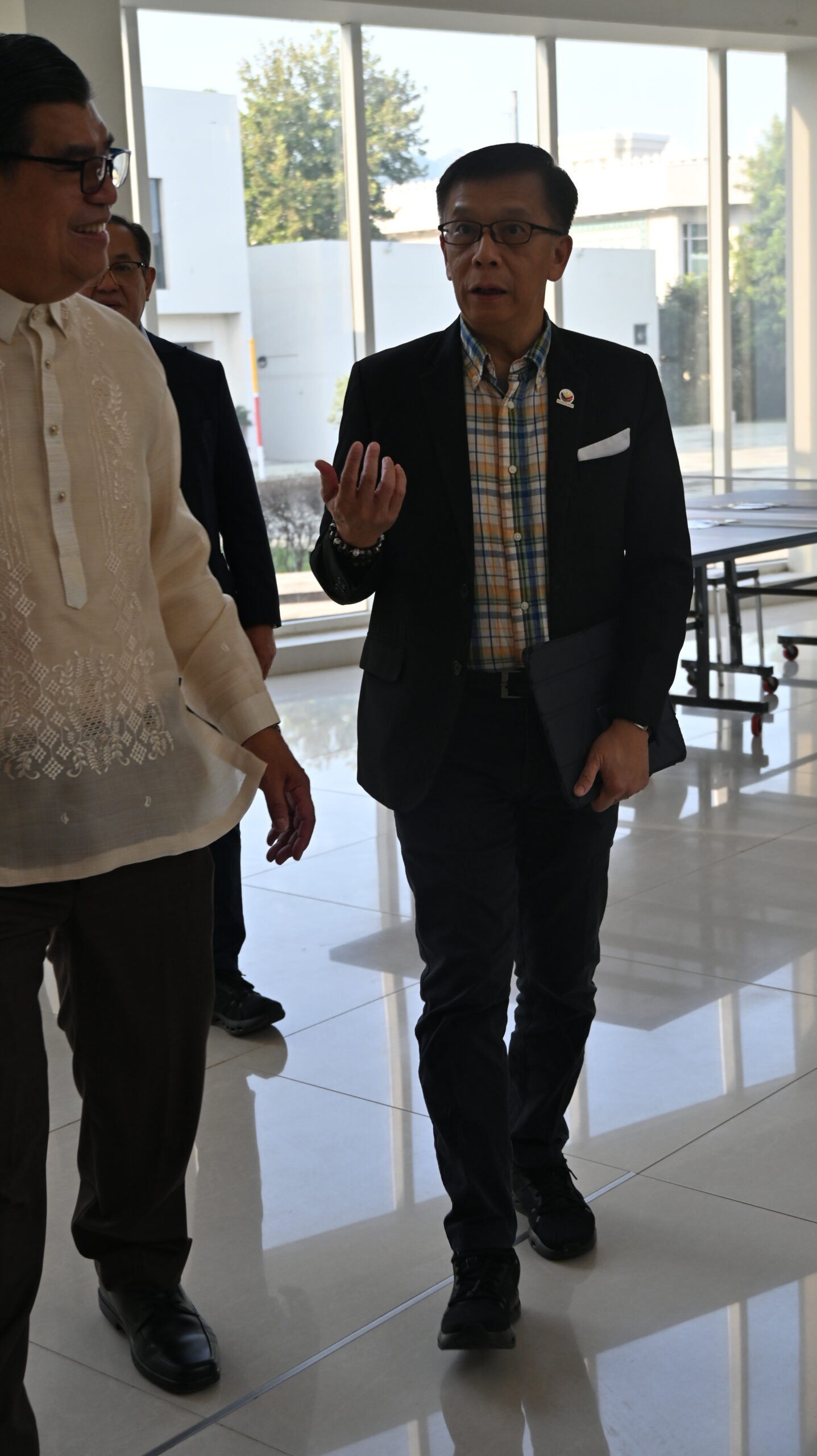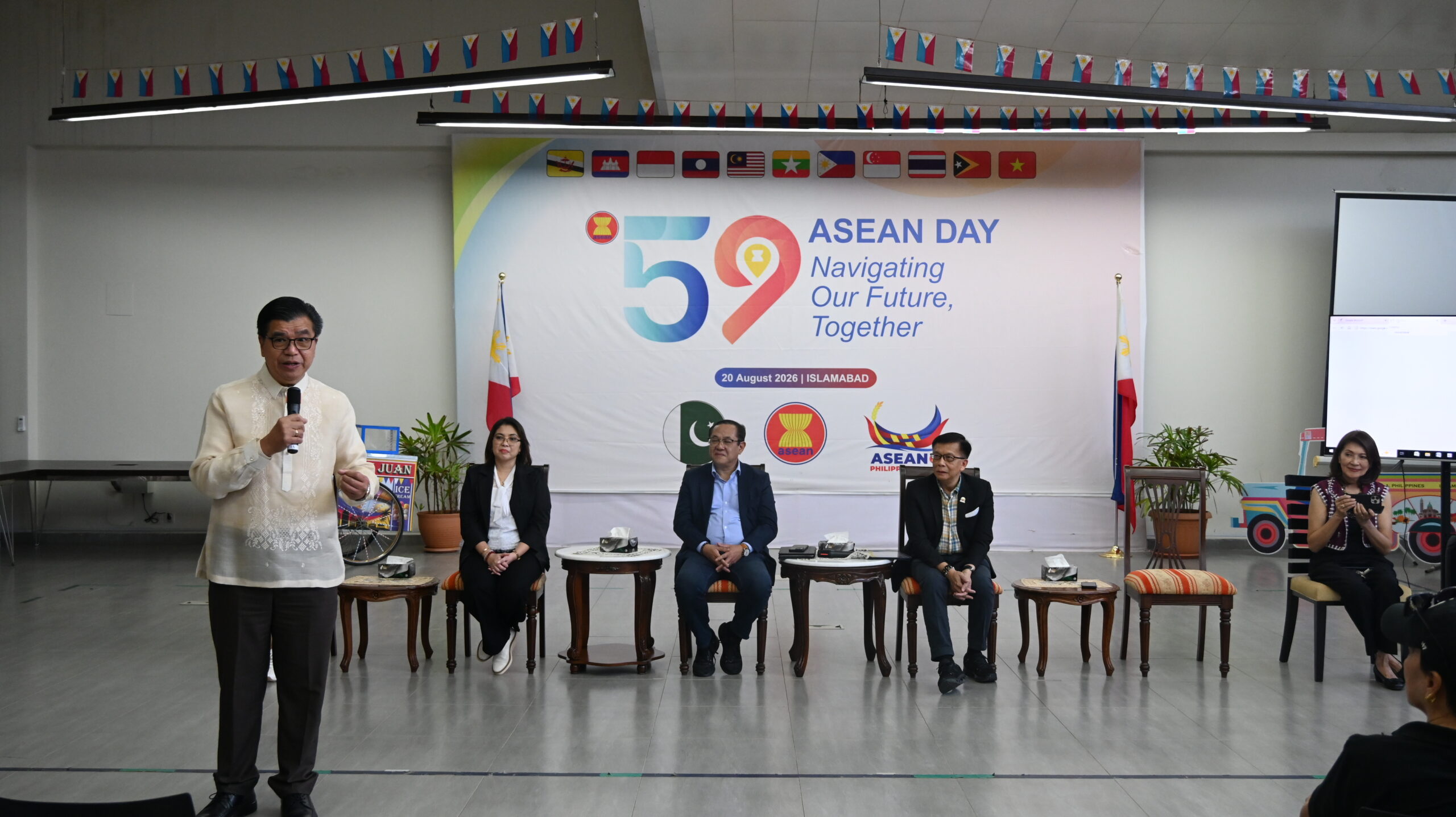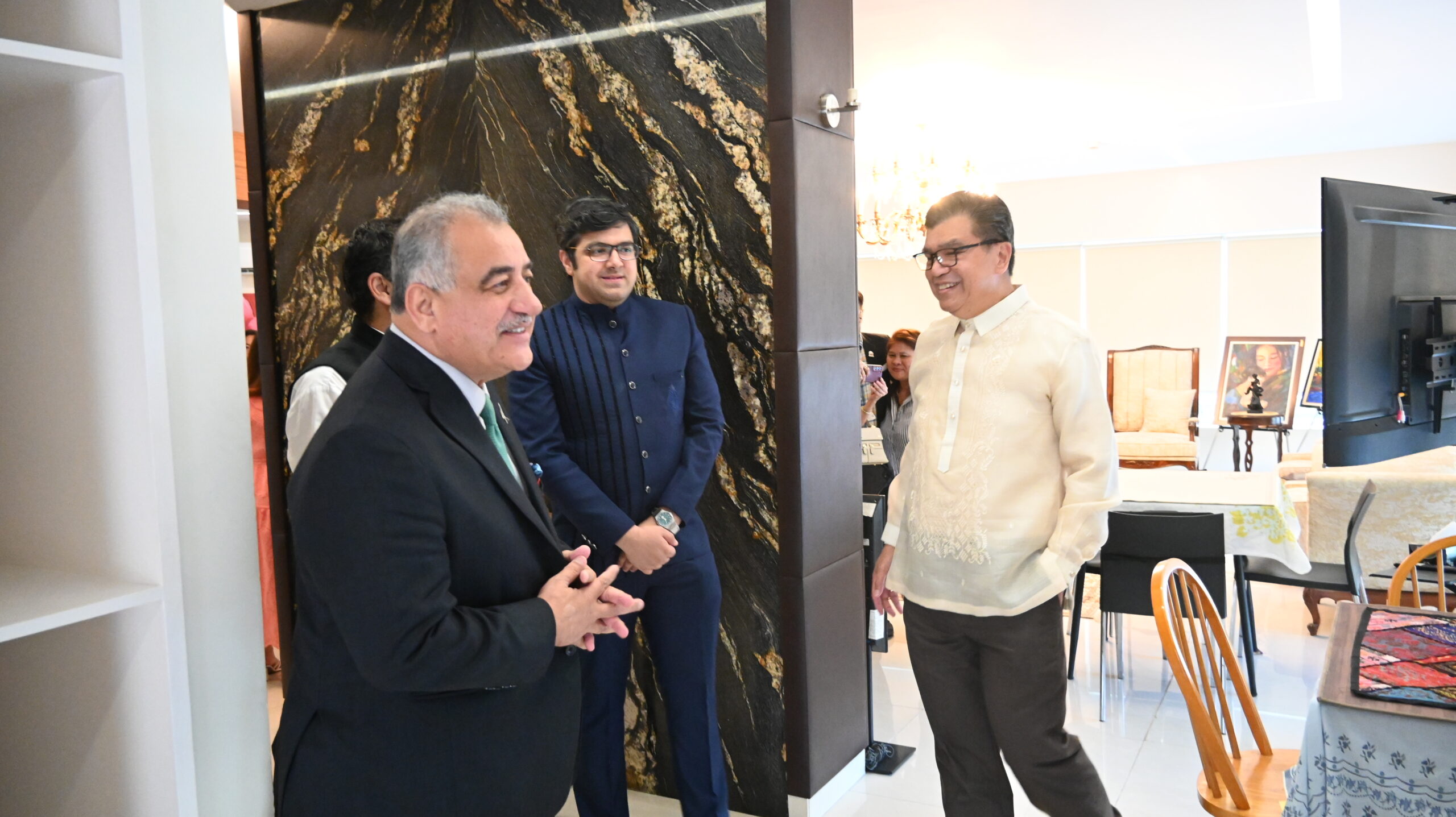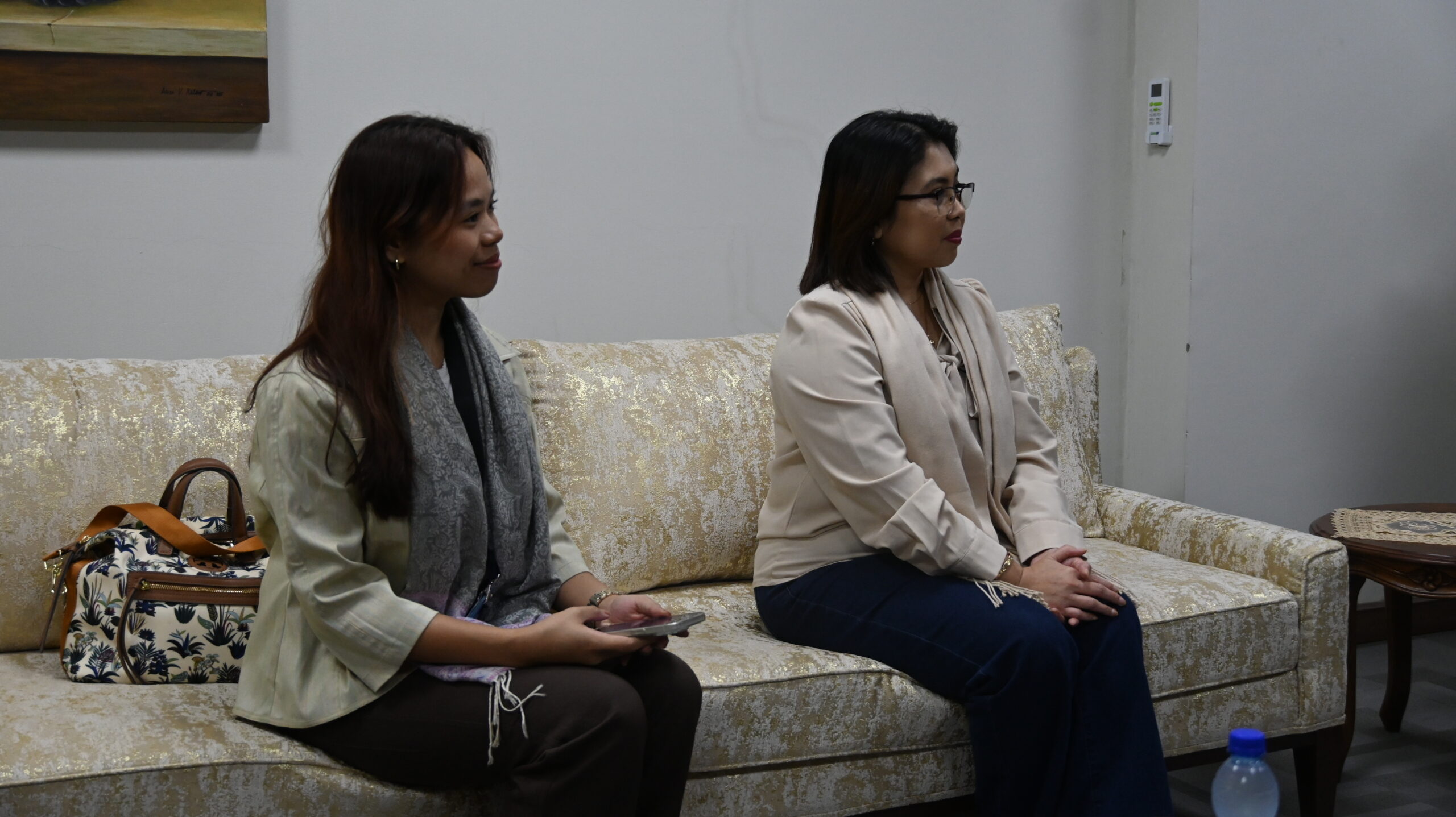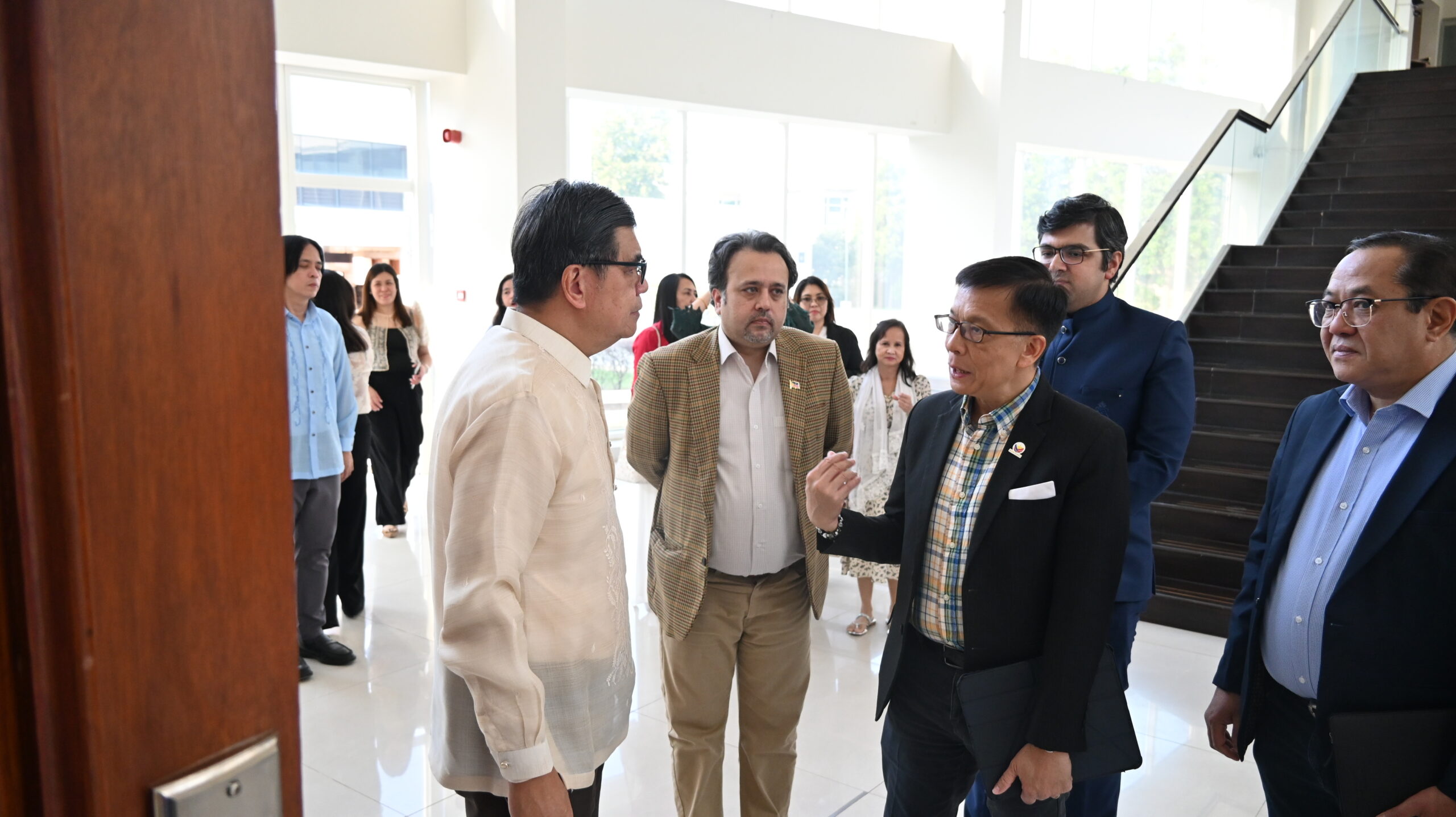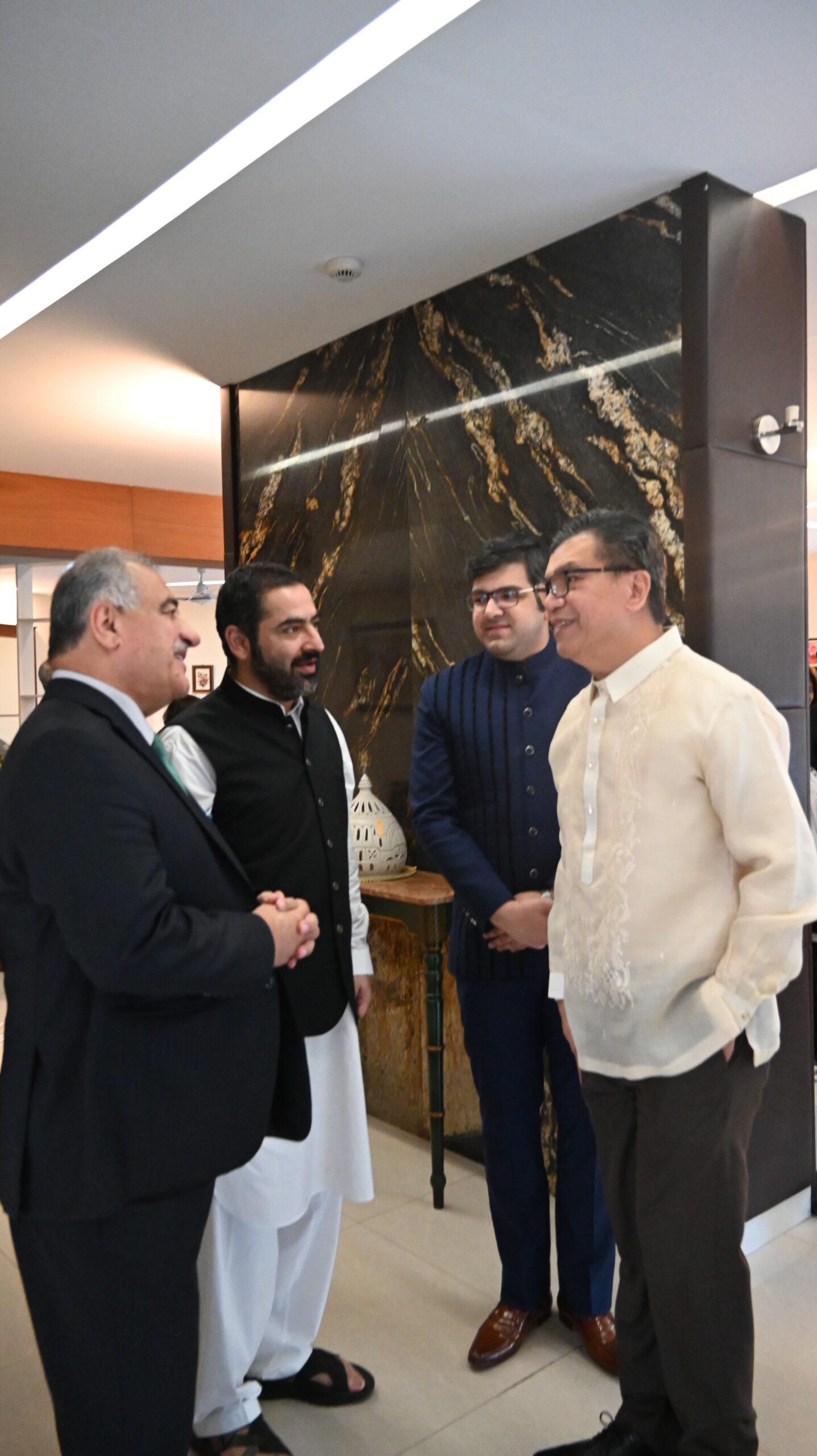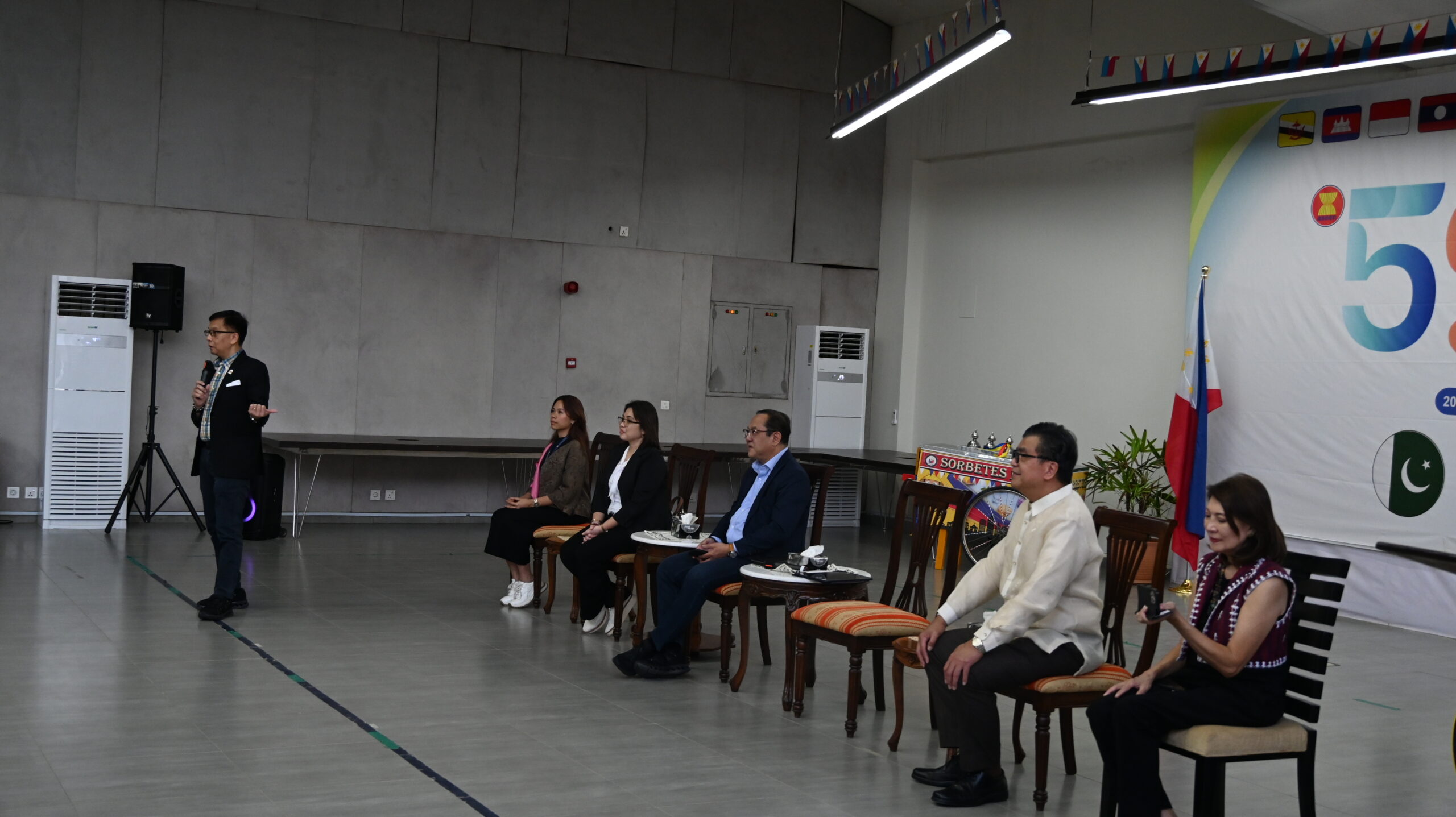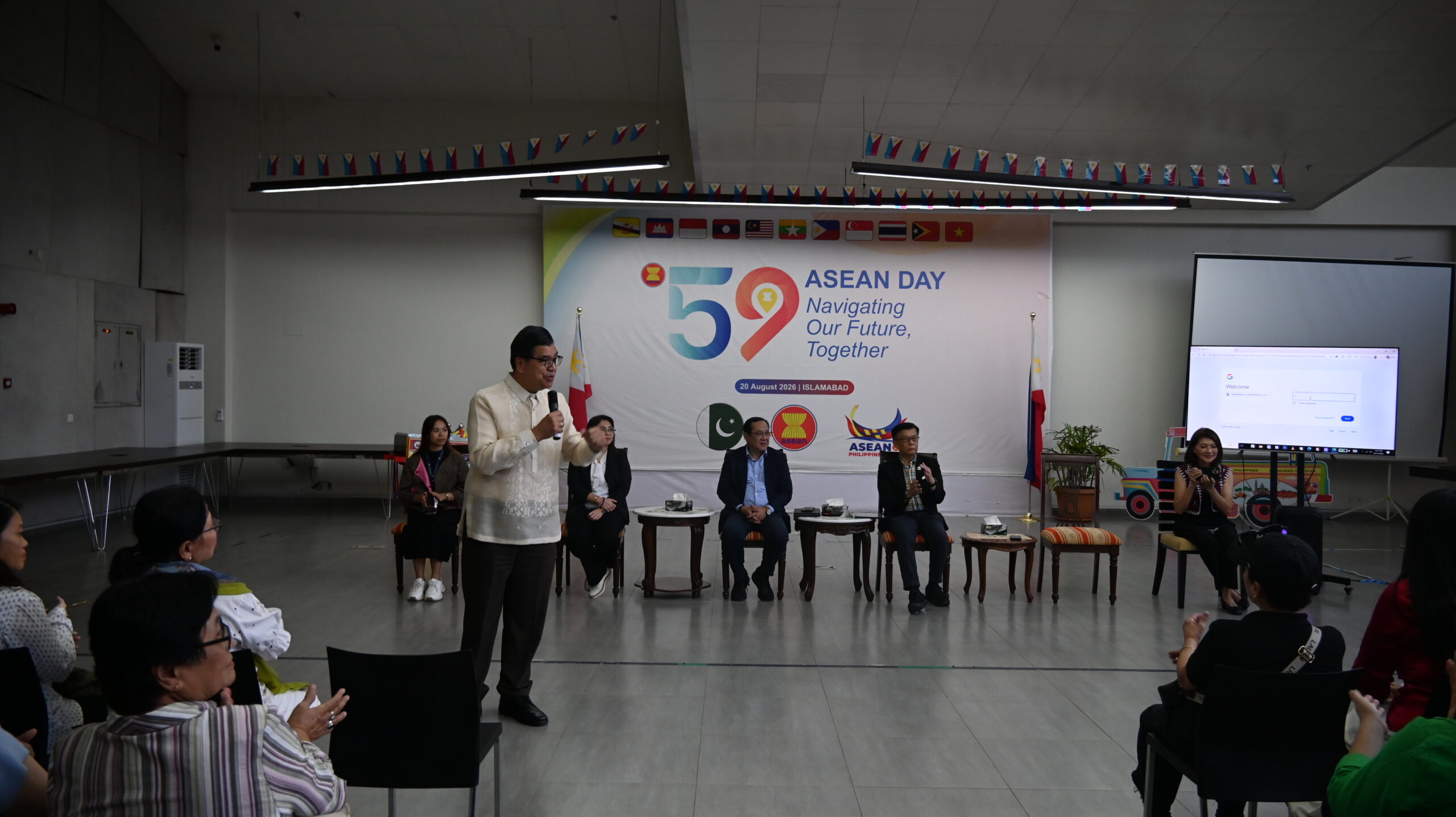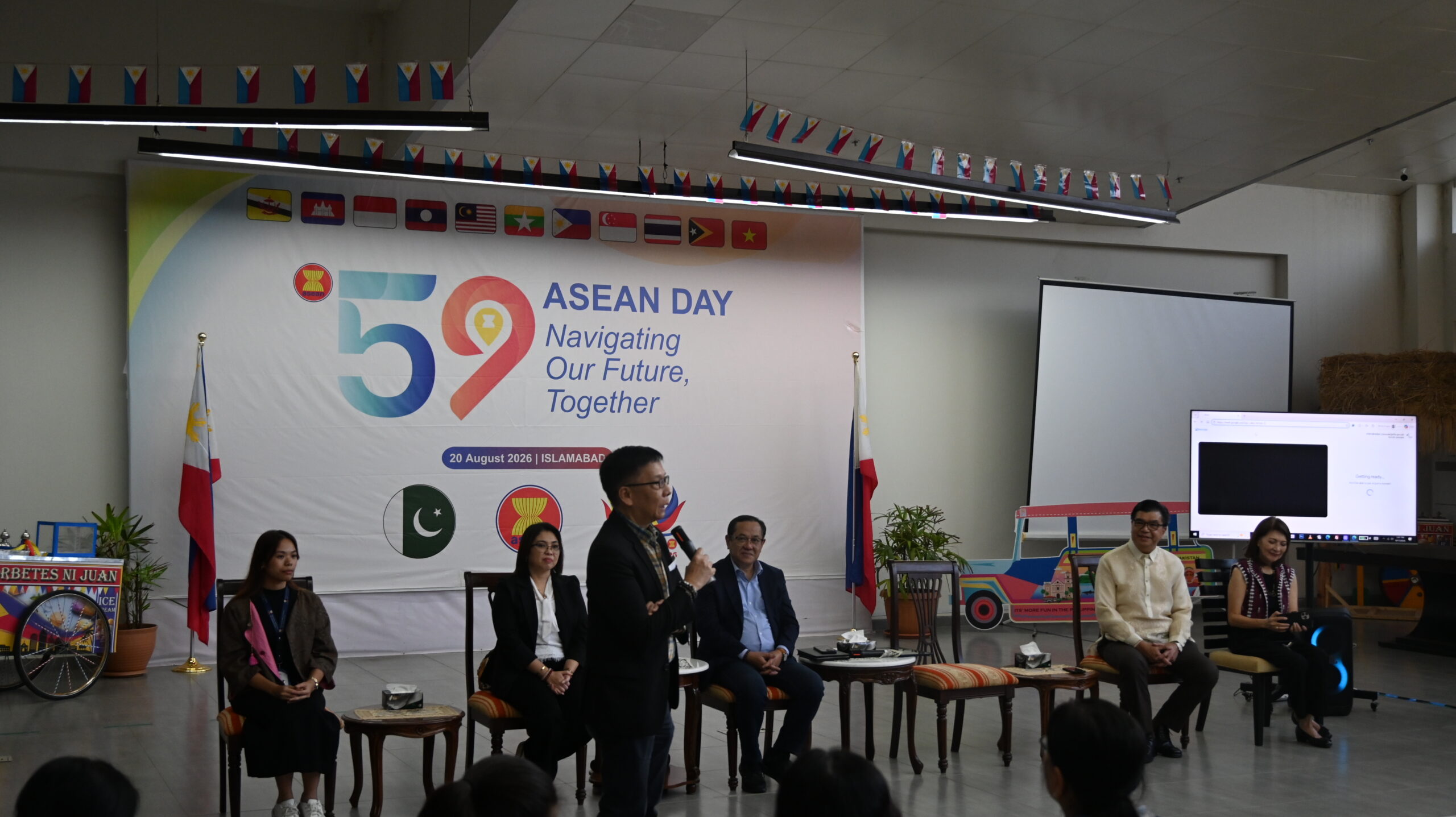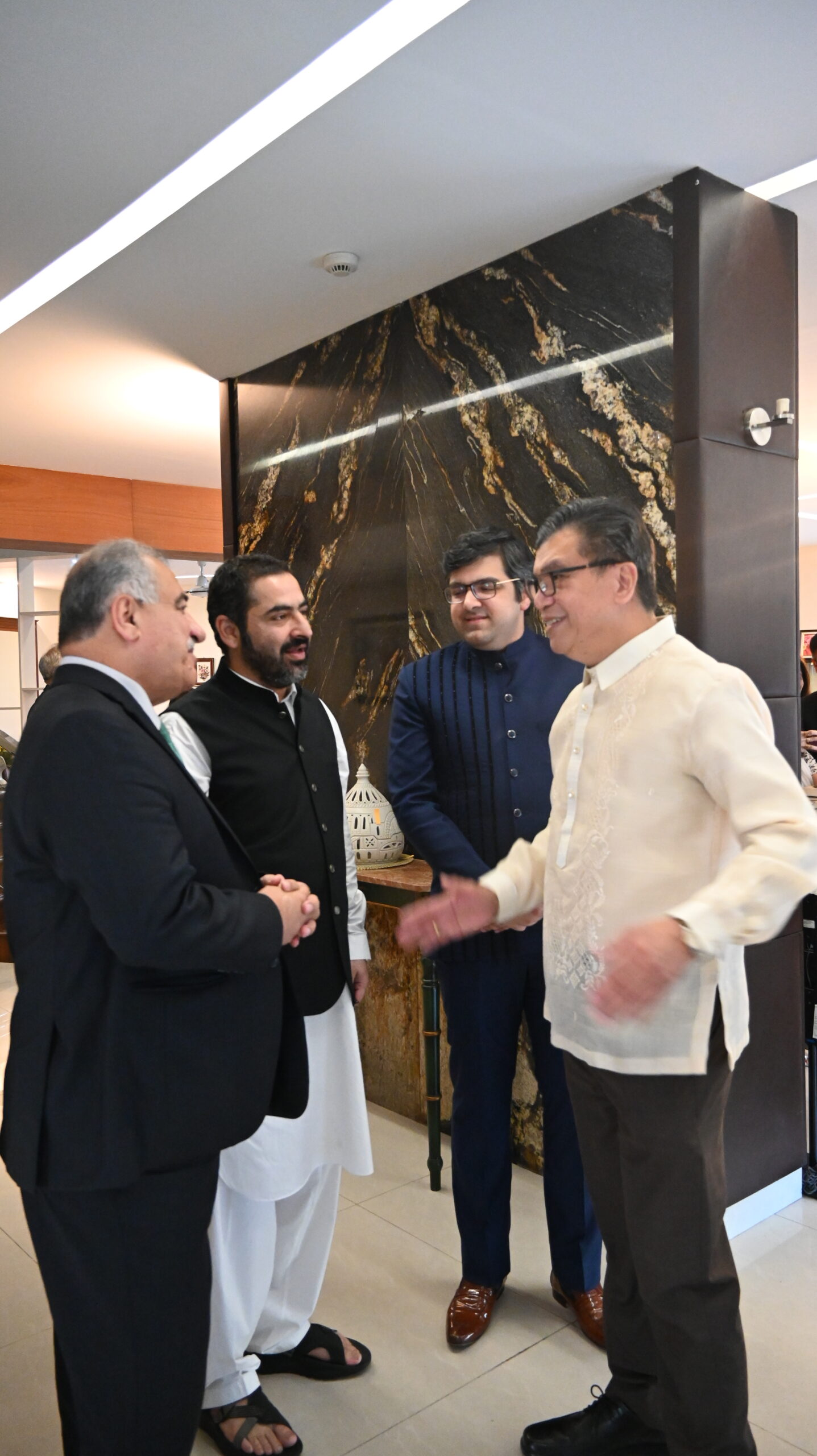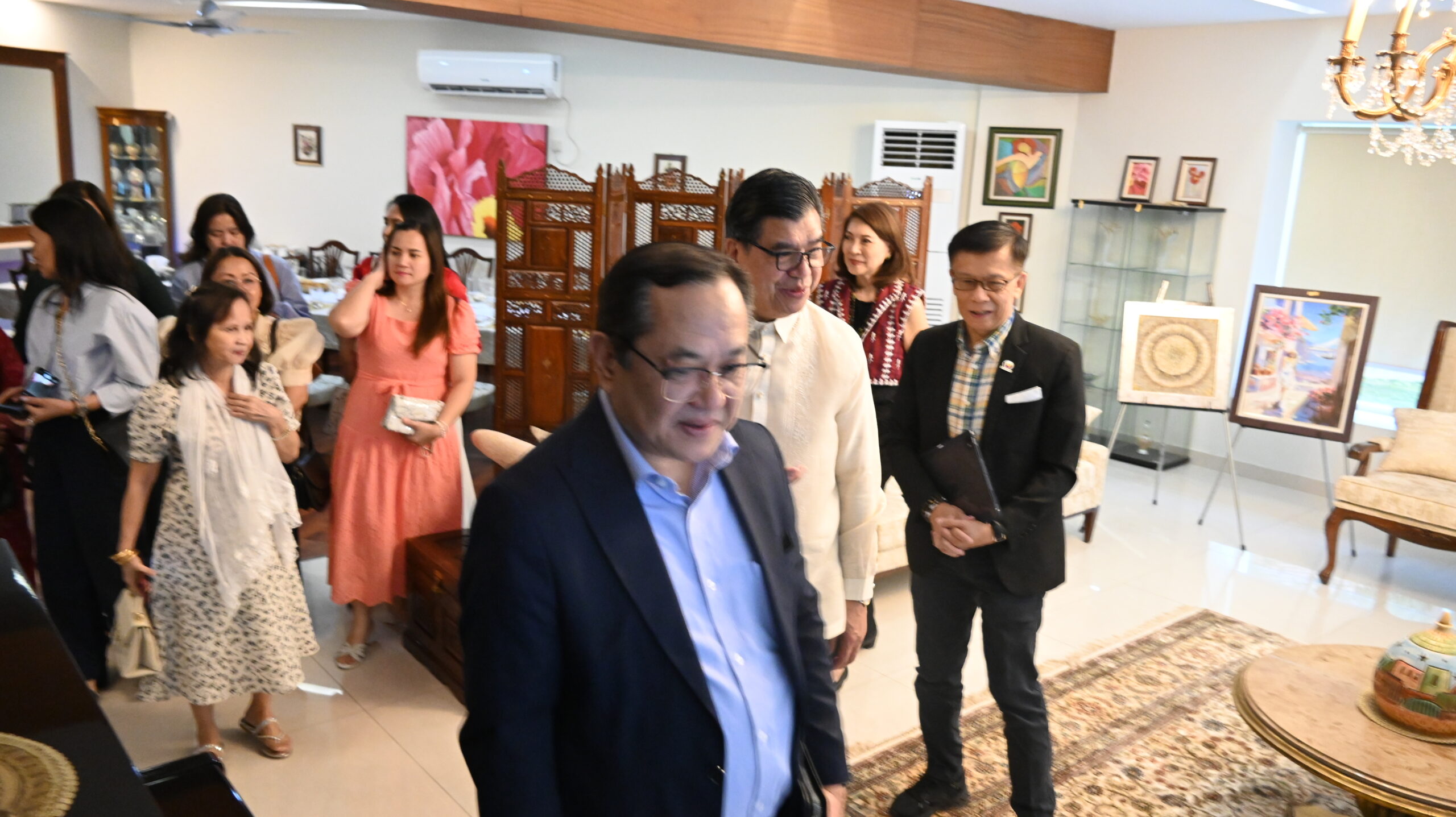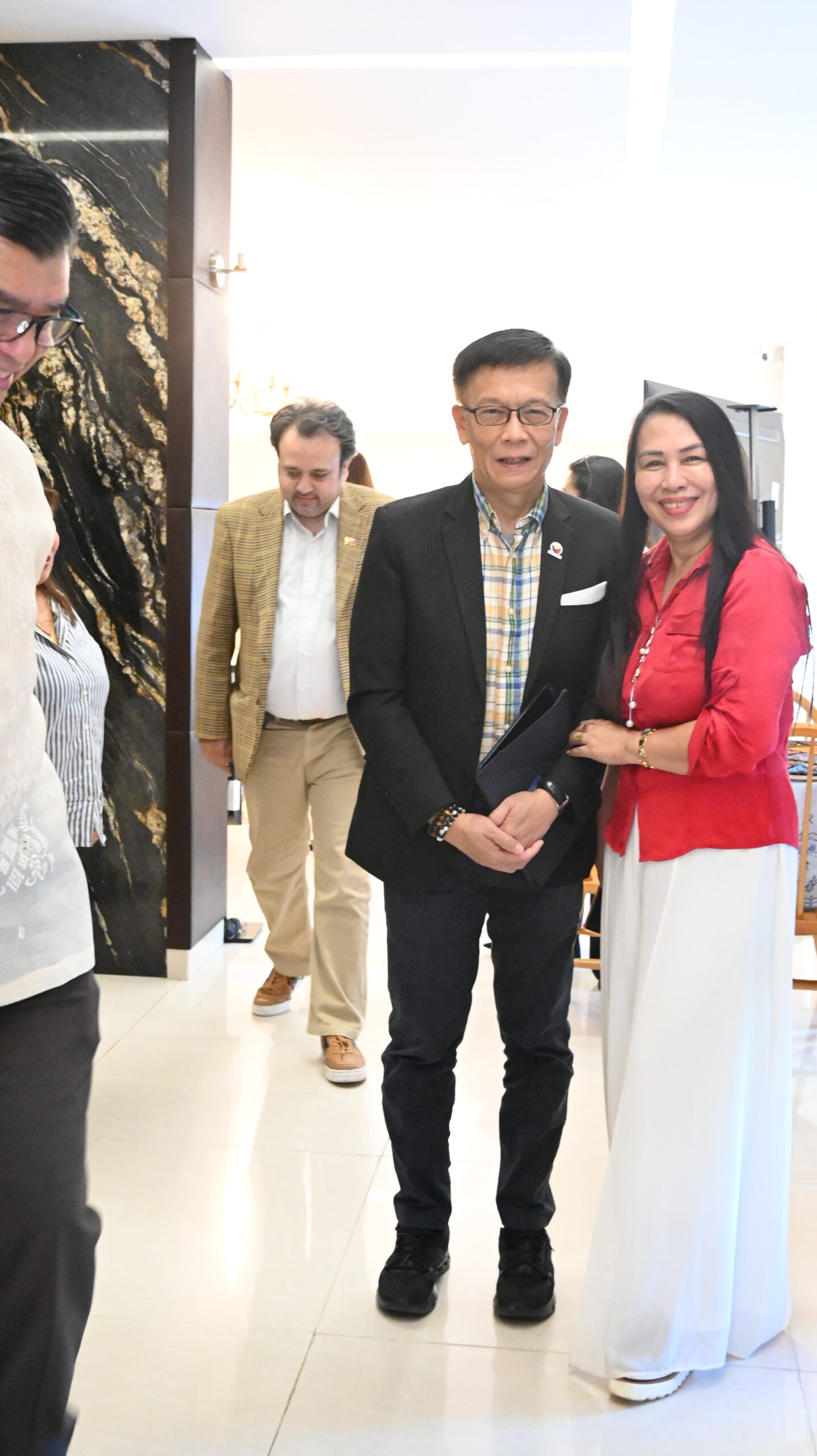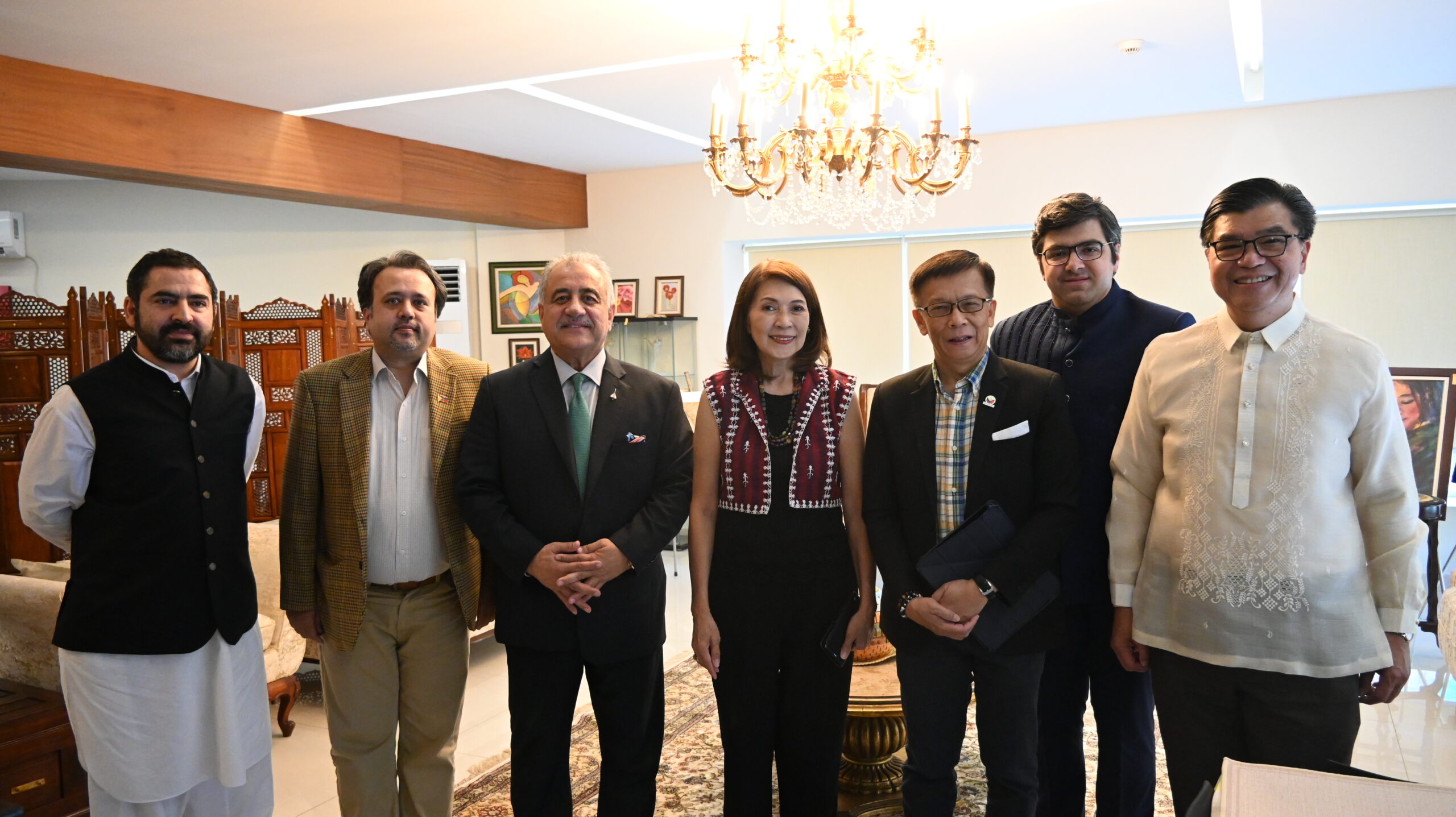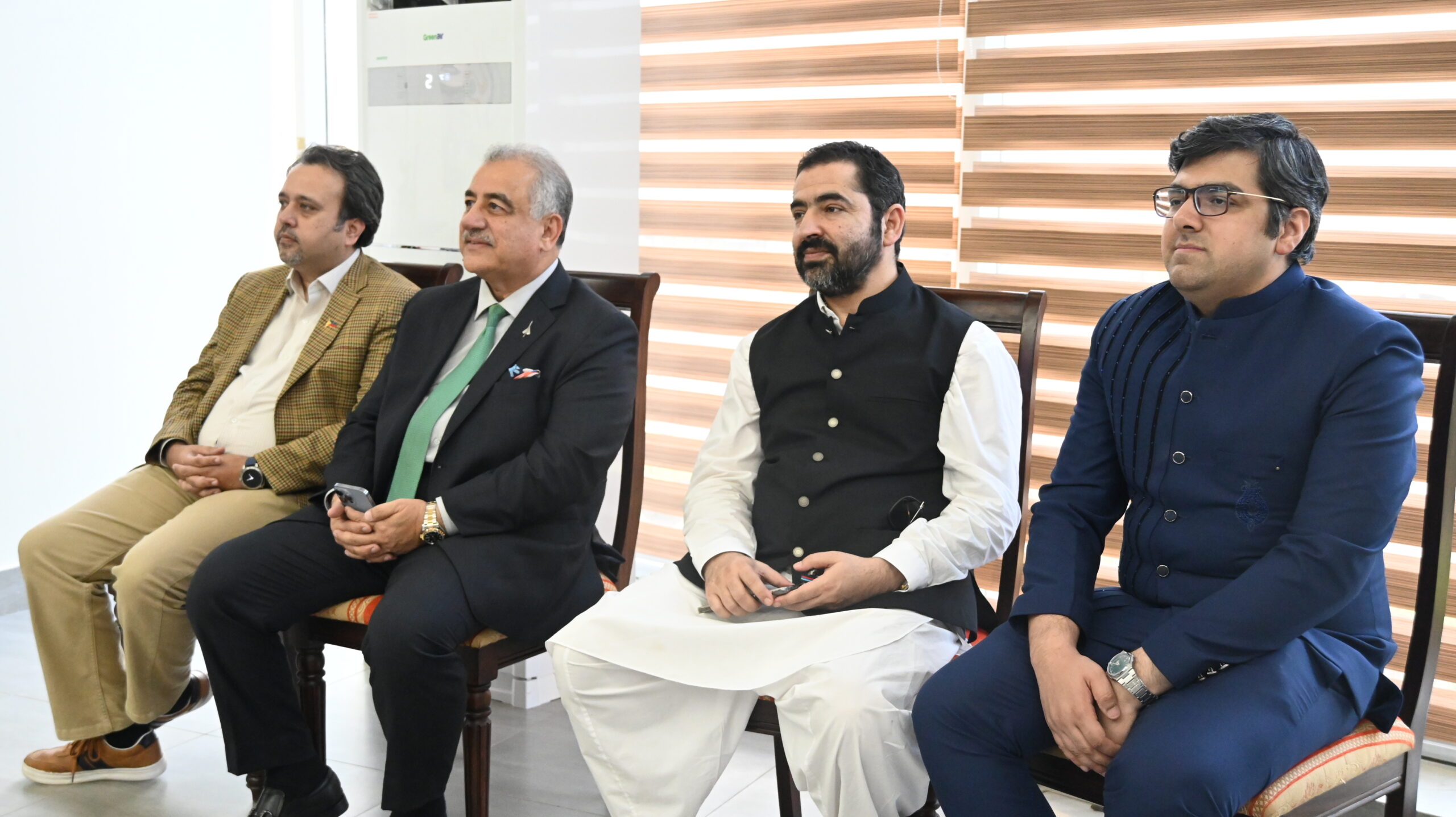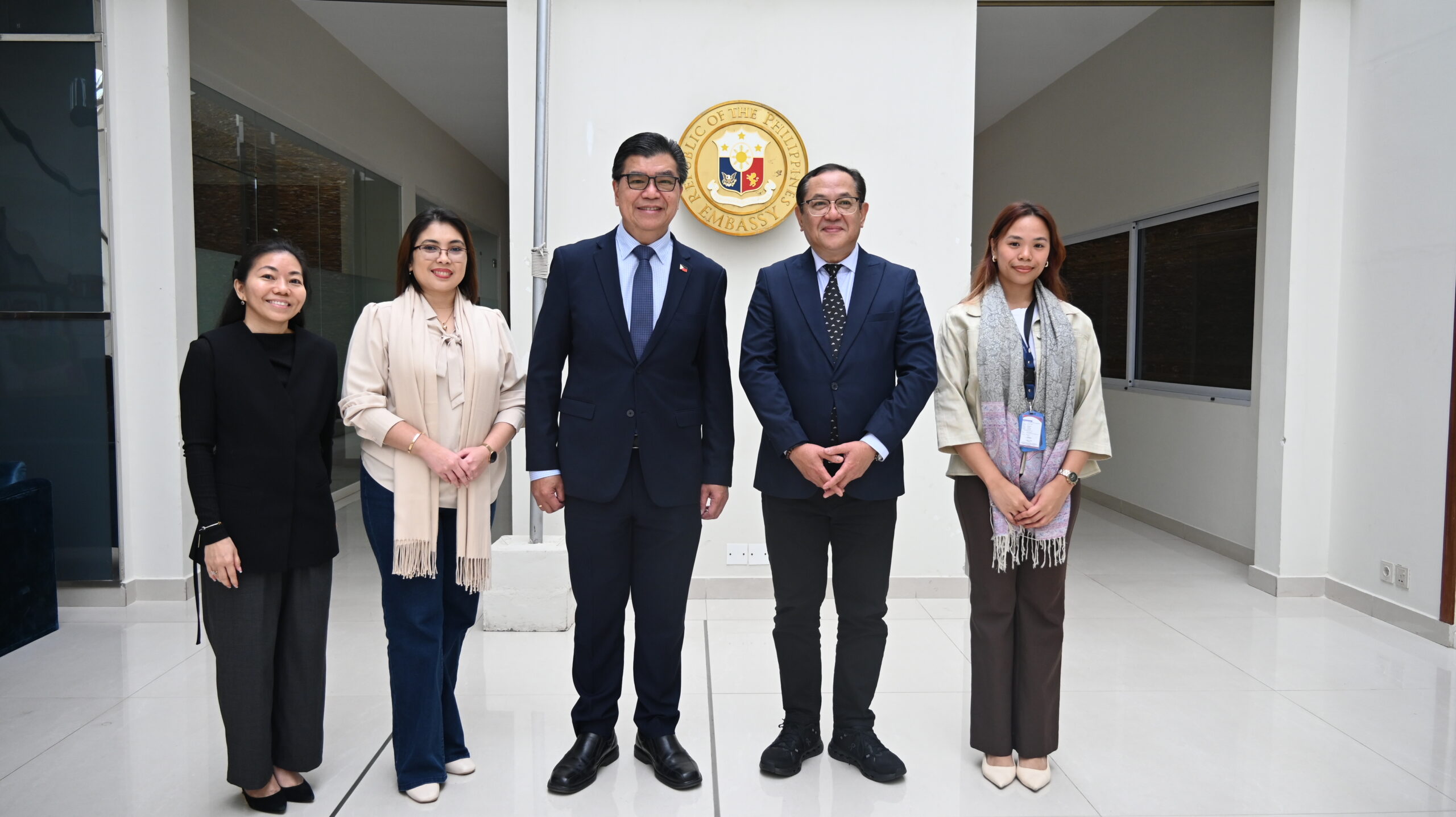

ISLAMABAD, 15-17 September 2026—The Philippine Embassy in Islamabad brought together Department of Migrant Workers (DMW) Secretary Hans Leo J. Cacdac and members of the Filipino community (FilCom) in Pakistan for a hybrid Town Hall Meeting on 17 September 2026, providing Filipinos from across the country a direct opportunity to share their experiences, concerns, and recommendations on migrant-worker protection and Philippine labor-migration policies.
The Town Hall was a major component of the Embassy’s efforts to maximize Secretary Cacdac’s first official visit to Pakistan, undertaken in connection with his participation in the Budapest Process Thematic Working Group Meeting on Legal Pathways for Migration in Islamabad.
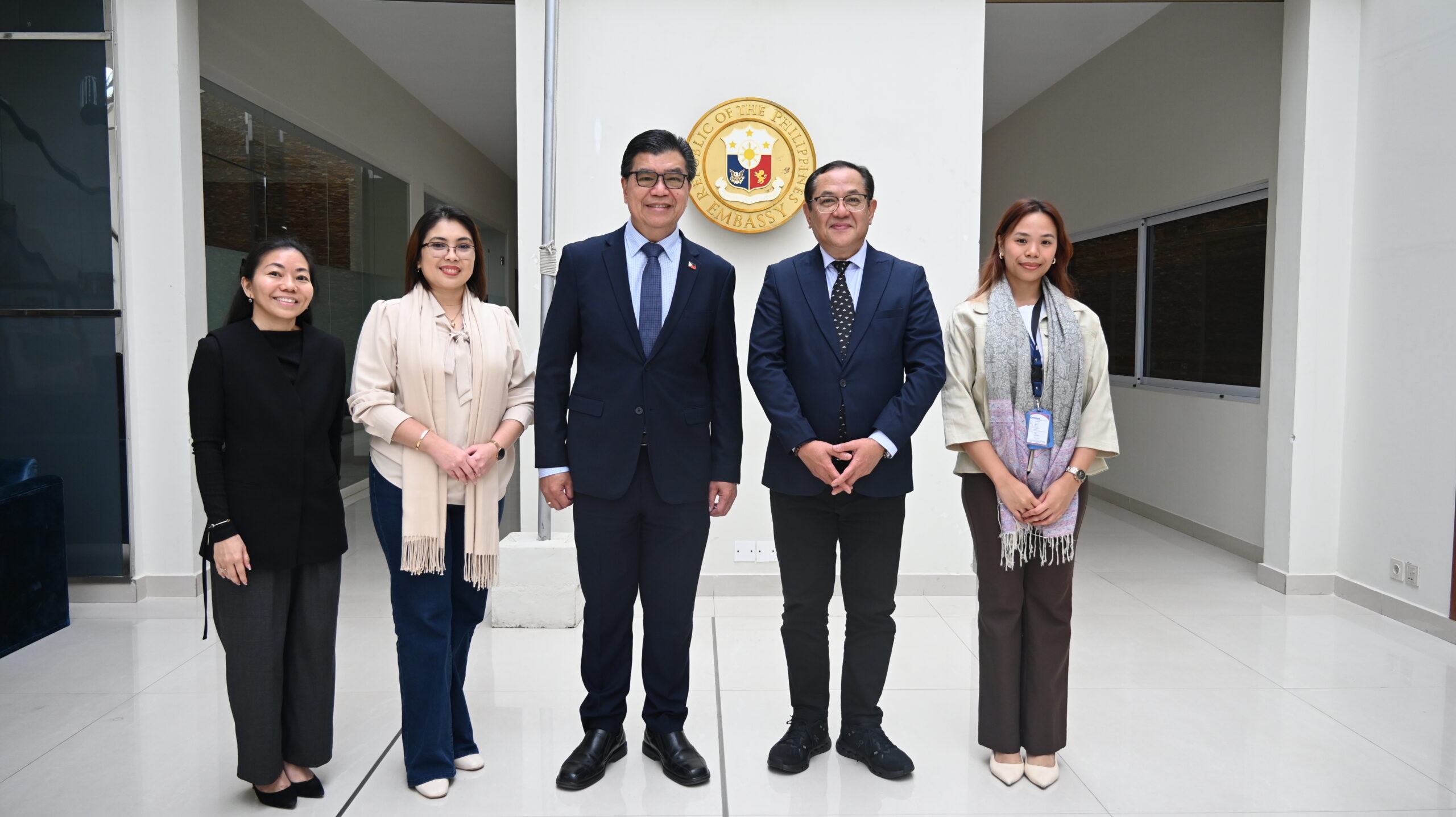
Secretary Cacdac led a DMW delegation composed of Undersecretary Jainal T. Rasul Jr., Regional Director Gay Iris T.S. Tangcalagan, and Labor and Employment Officer II Via Naama D. Mangubat.
For the Embassy, the Secretary’s presence in Islamabad offered an important opportunity to bring national policymakers directly to the Filipino community and ensure that policies affecting overseas Filipinos could be informed by their actual experiences on the ground.
FilCom representatives made considerable efforts to participate in the dialogue. Members from Lahore travelled approximately five hours by road to Islamabad, while representatives from Karachi travelled by air, specifically to meet Secretary Cacdac and the DMW delegation and personally convey the realities faced by Filipinos living and working in Pakistan.
Recognizing, however, that not every Filipino could travel to Islamabad, the Embassy conducted the Town Hall in hybrid format through Google Meet, enabling members of the community elsewhere in Pakistan to participate virtually, follow the proceedings live from the Embassy, and be part of the dialogue despite the distance.
The meeting also brought together members of the Philippines’ honorary consular network in Pakistan. Honorary Consul General in Karachi Dr. Muhammad Imran Yousuf joined the Town Hall virtually and was represented in person by Consular Officer Mr. Muhammad Shariq. Honorary Consul in Lahore Mr. Fahdel Sheikh attended in person, together with incoming Honorary Consul in Peshawar Mr. Muhammad Hanif Gohar, further broadening representation from the areas where Filipino communities reside.
Among the principal issues discussed was the existing restriction on the deployment of newly hired Filipino Household Service Workers (HSWs) to Pakistan. FilCom representatives appealed for a review of the policy and shared their perspectives on how a safe, legal, documented, and properly regulated deployment mechanism, accompanied by appropriate safeguards, could better protect Filipino workers.
The Philippine Embassy likewise conveyed its assessment of conditions on the ground and reiterated the importance of strengthening DMW’s institutional coverage of Pakistan, including through the establishment of a Migrant Workers Office (MWO) in the country or, as an interim measure, the formal designation of a non-resident MWO with jurisdiction over Pakistan.
The discussions highlighted an important principle of migrant-worker protection: regular migration pathways are themselves a form of protection. Properly documented deployment enables Philippine authorities to verify employers and contracts, regulate recruitment, prepare workers before departure, maintain accurate records of Filipinos deployed overseas, and intervene more effectively when workers require assistance.
The Embassy emphasized that sustained coordination among DMW, Philippine foreign service posts, host governments, employers, recruitment actors, honorary consular representatives, and migrant workers themselves is essential to ensuring that migration is safe, orderly, and protective of workers’ rights and welfare.
The Town Hall complemented Secretary Cacdac’s participation in the Budapest Process Thematic Working Group Meeting on Legal Pathways for Migration, held at the Serena Hotel Islamabad on 16–17 September 2026, where Ambassador Emmanuel R. Fernandez and Third Secretary and Vice Consul Rain R. Mendoza joined the DMW delegation.
During a panel on fair and ethical recruitment, Secretary Cacdac shared the Philippines’ more than five decades of experience in migration governance. He highlighted the regulation of recruitment agencies, accreditation of foreign employers, documentation of workers, measures against illegal recruitment and human trafficking, social protection, skills development, access to information and legal remedies, digitalization, reintegration, and effective government presence in countries of destination.
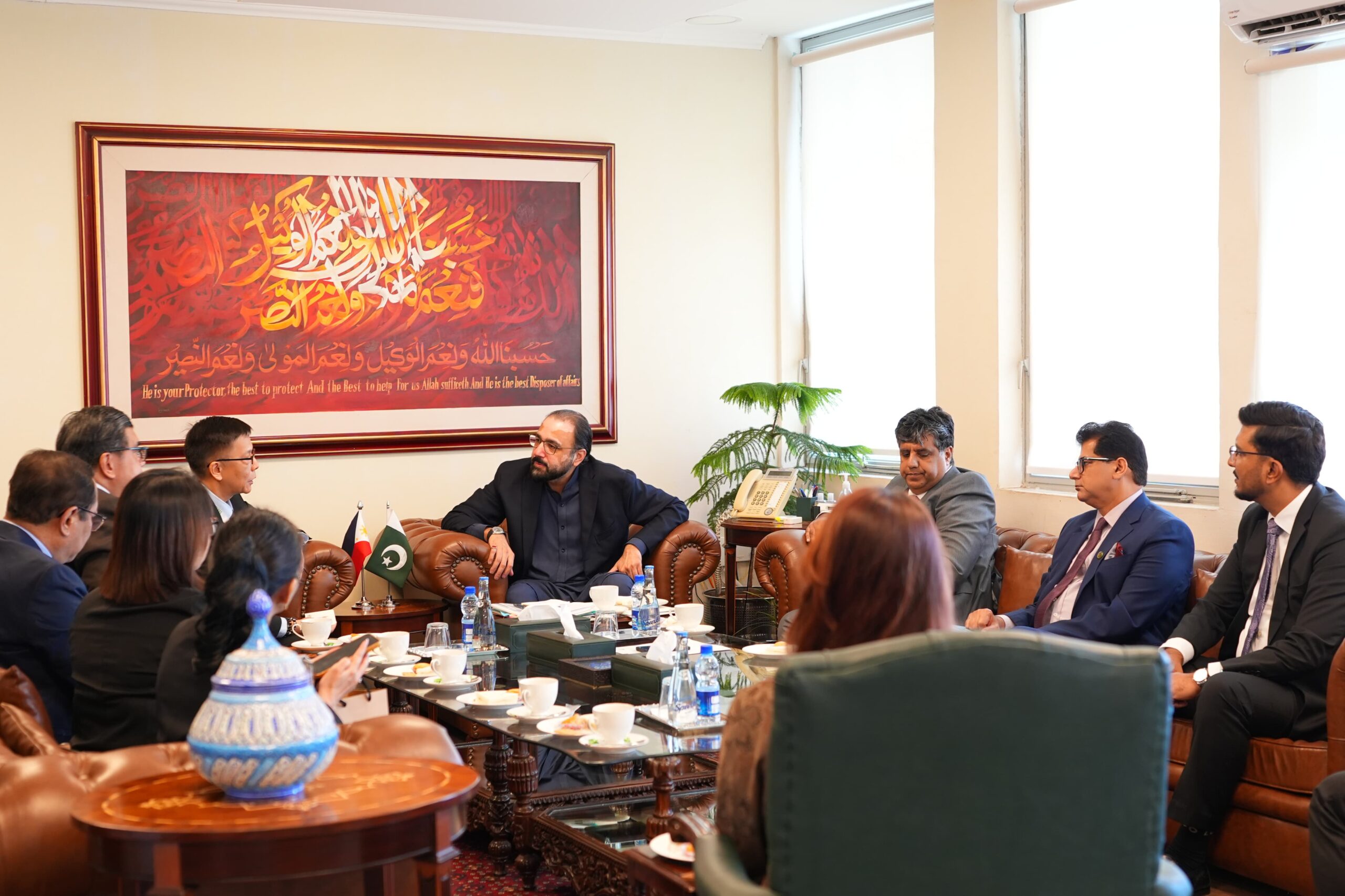
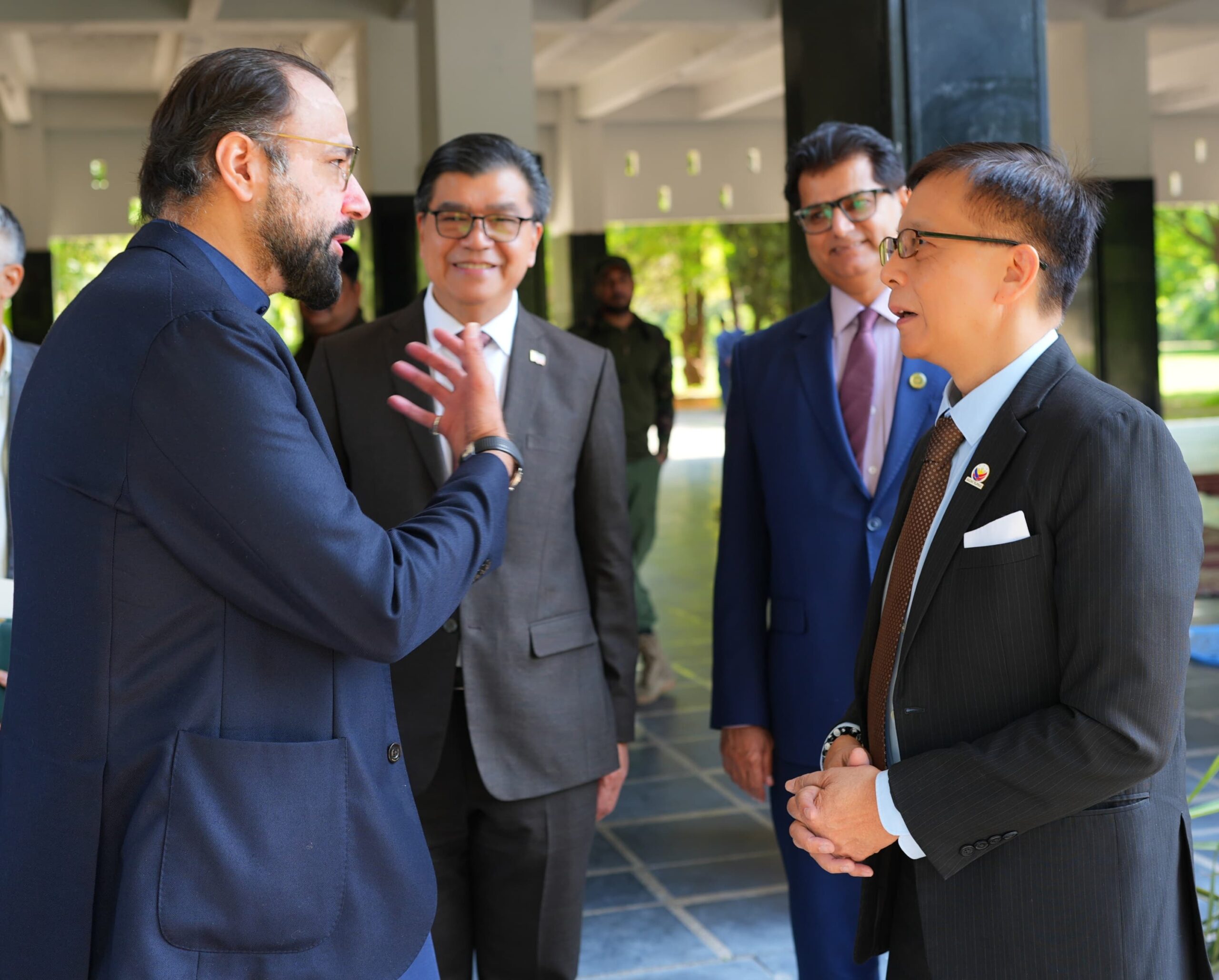
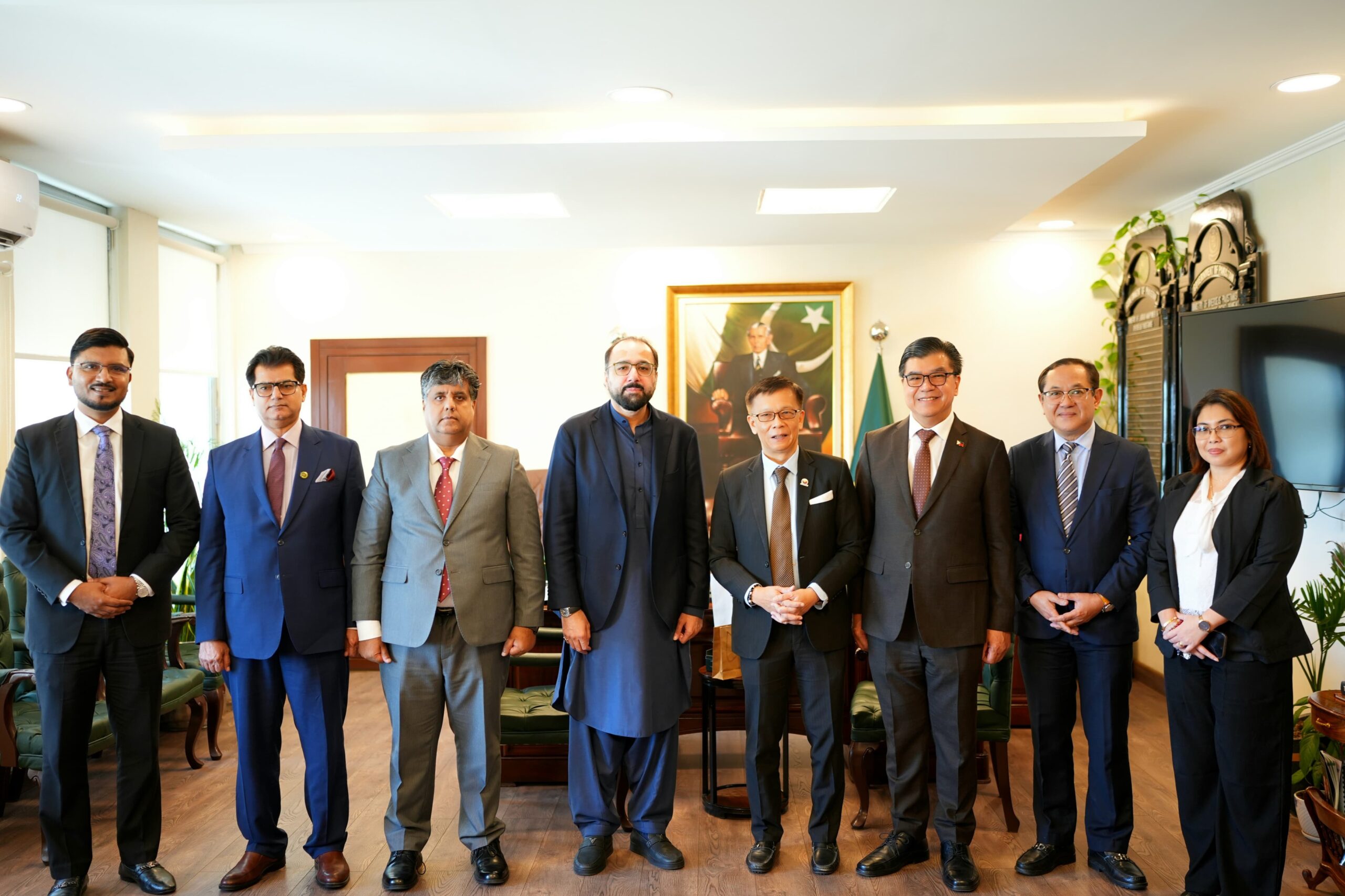
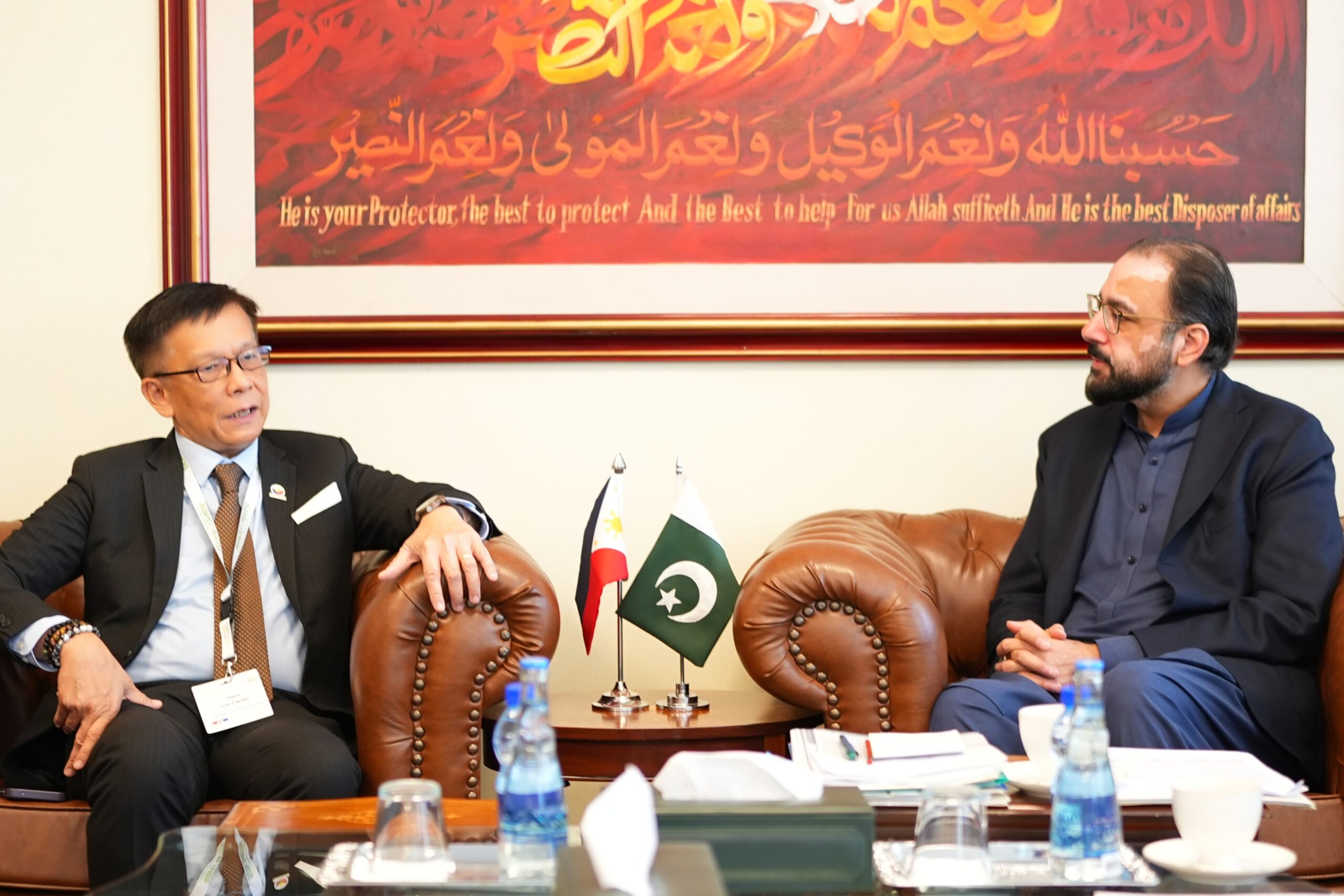
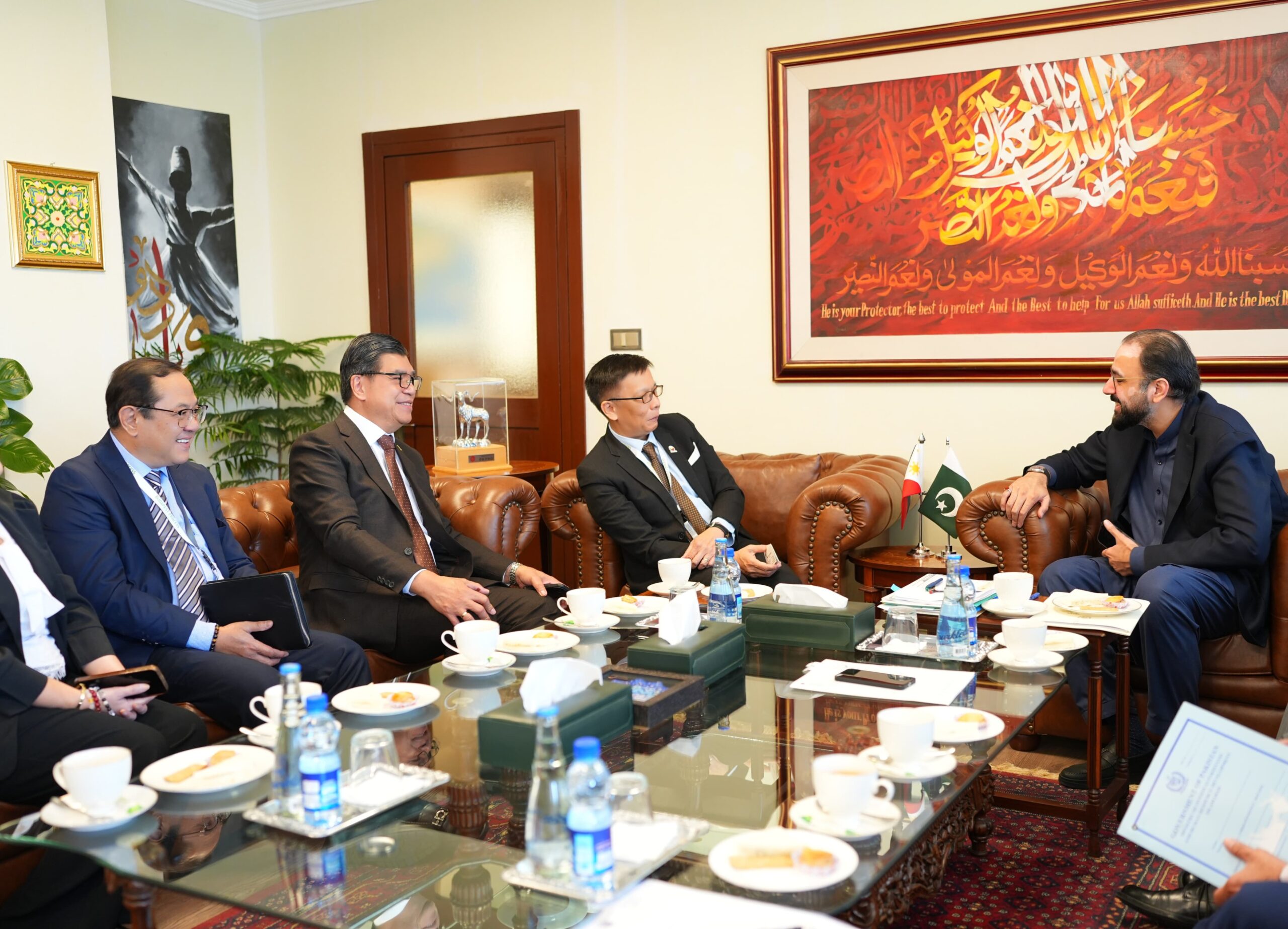
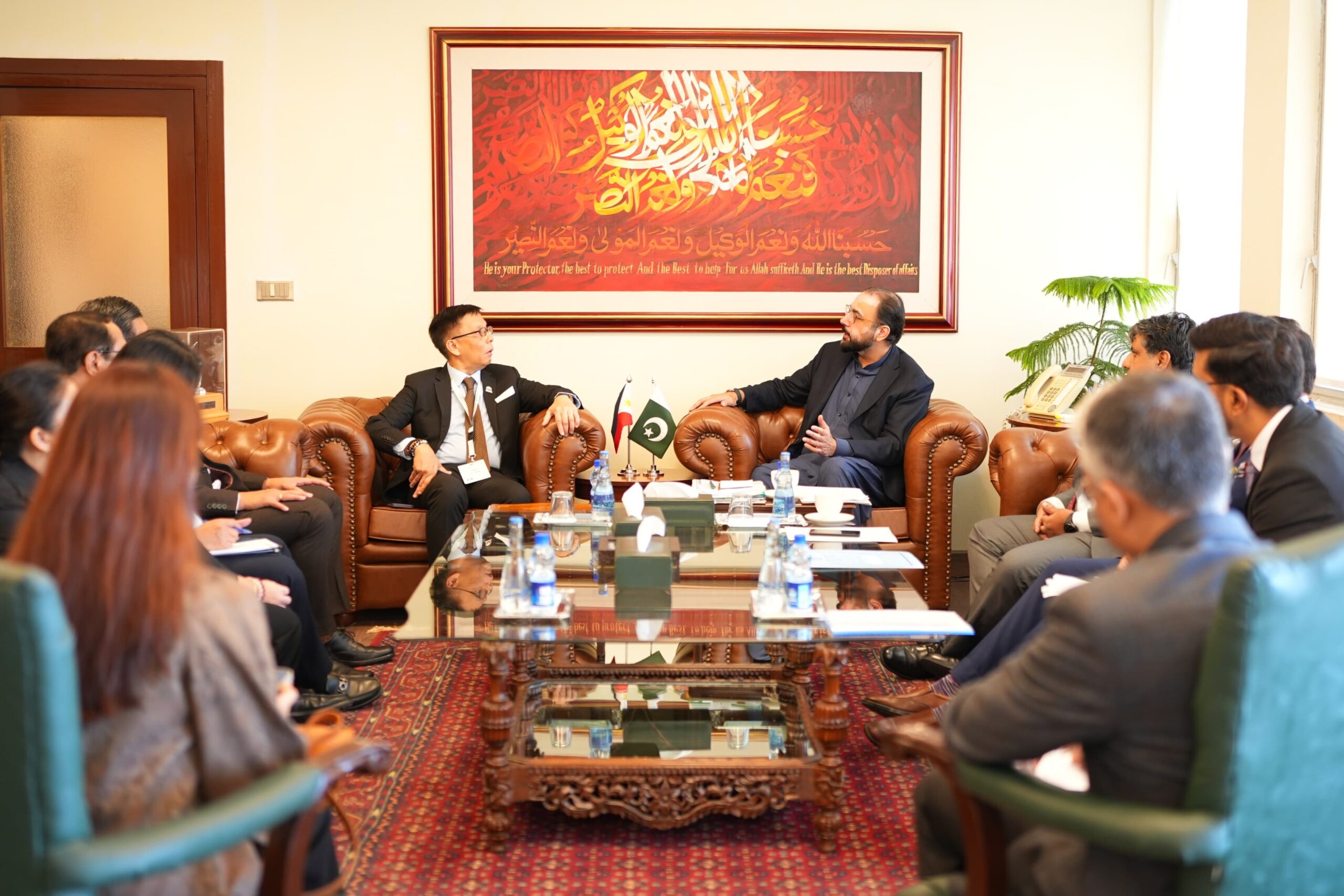
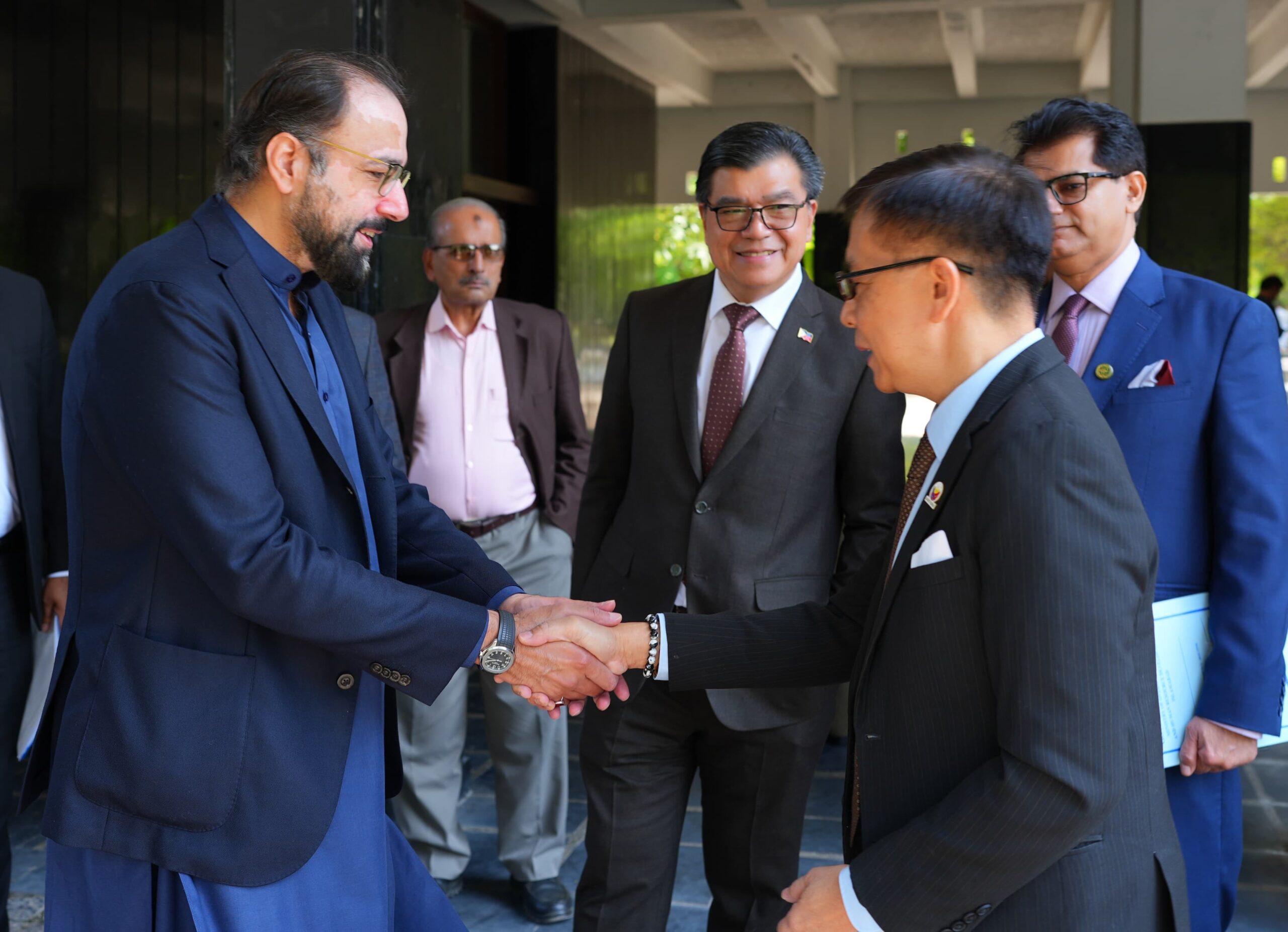
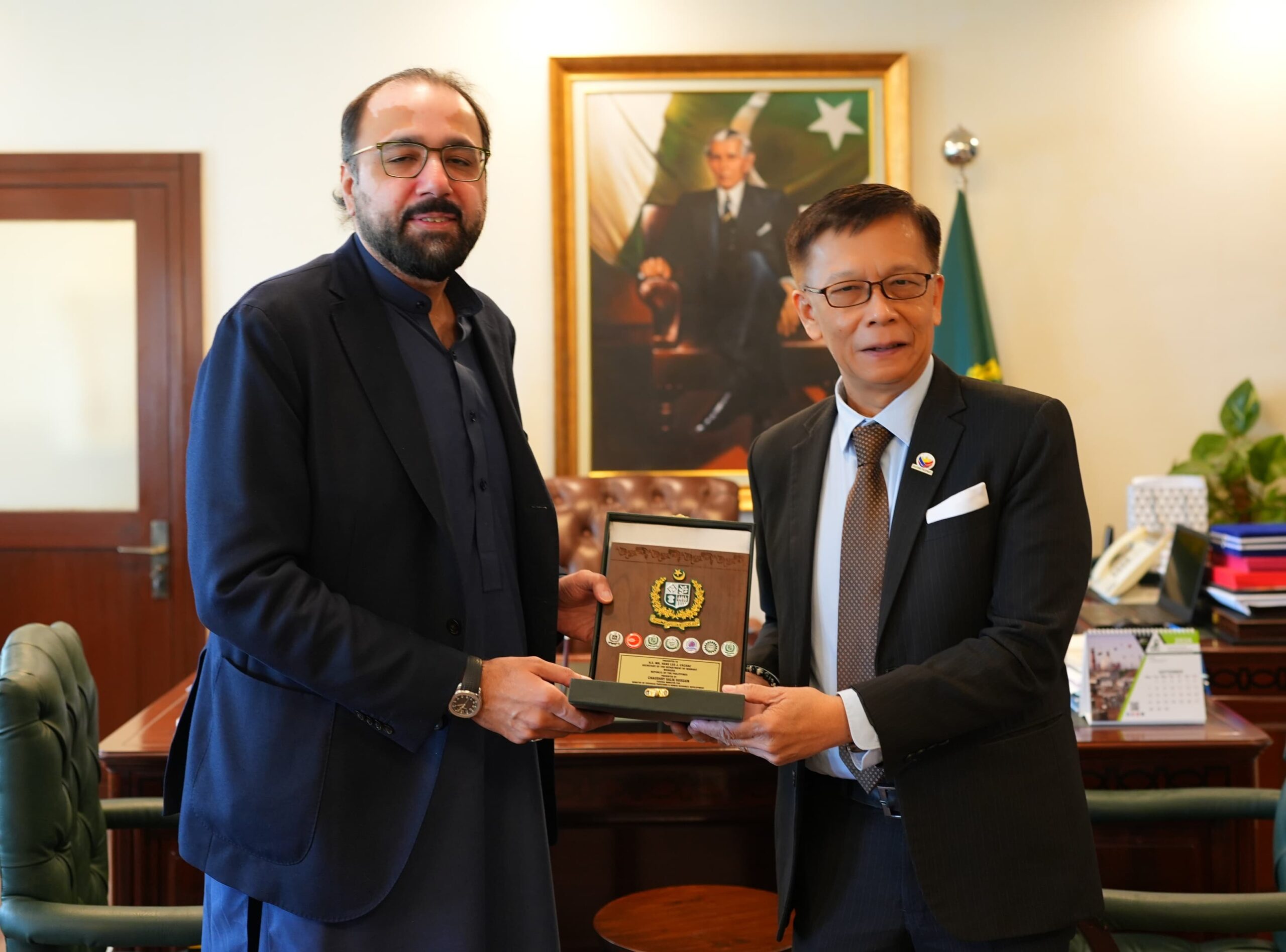
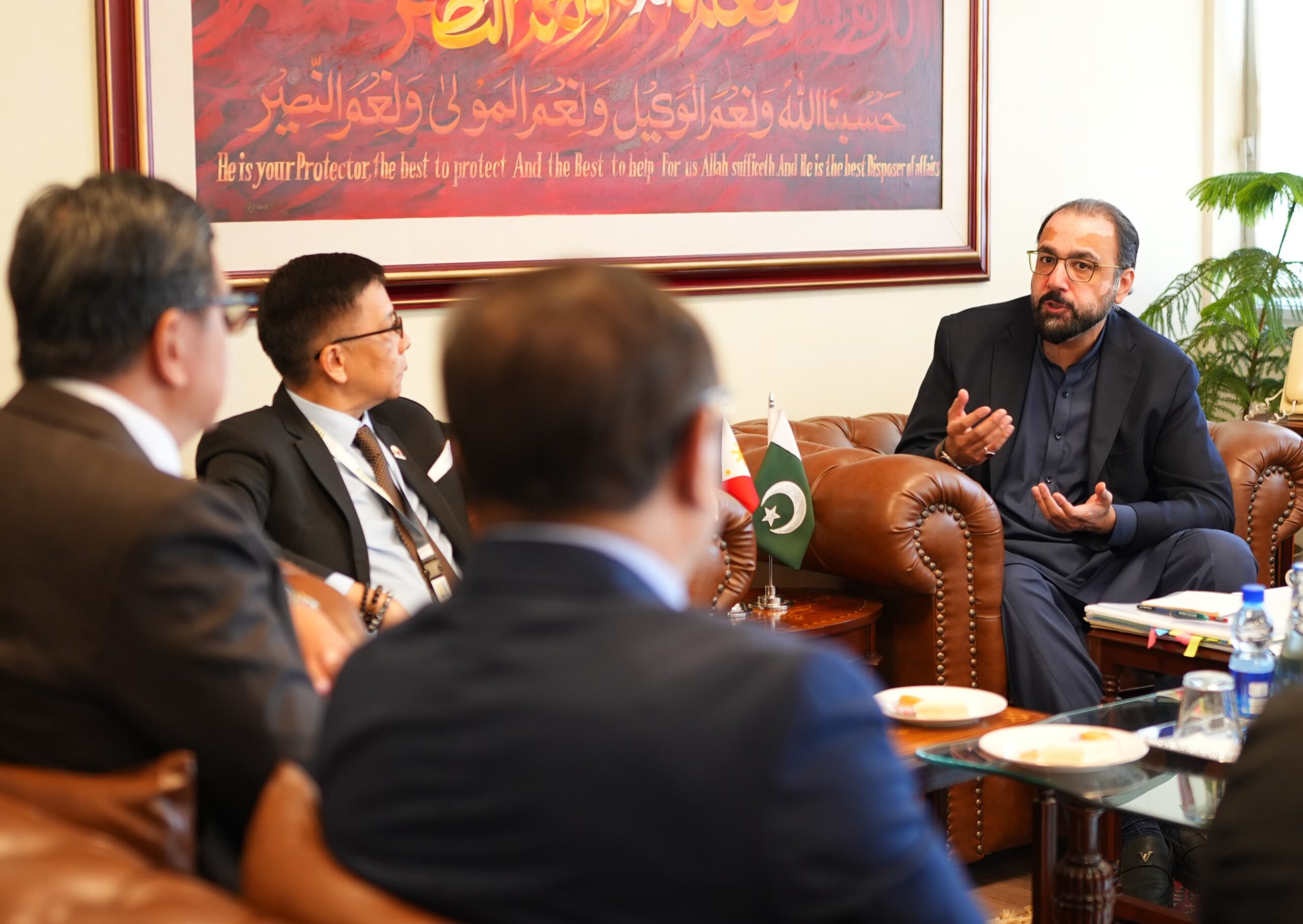
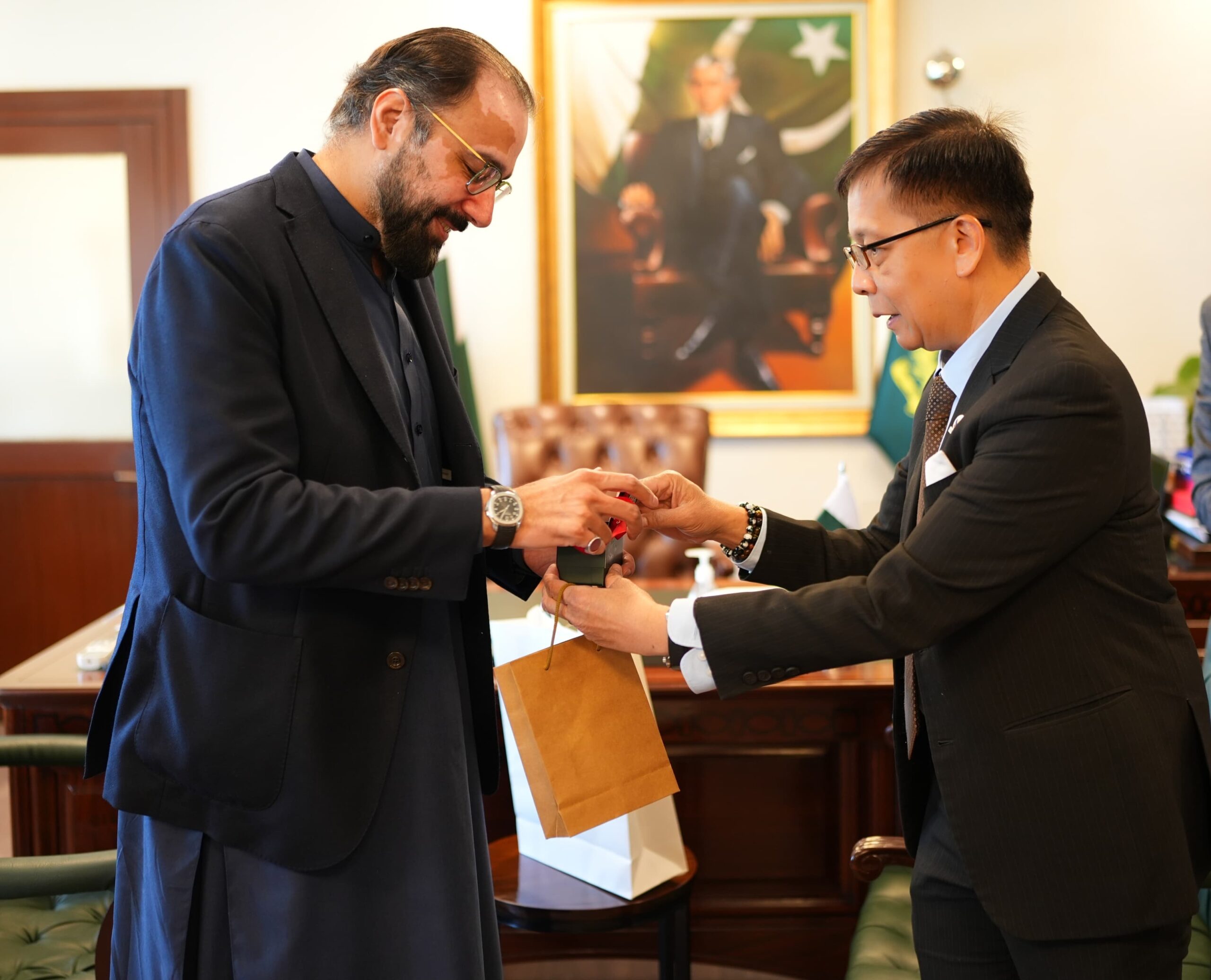
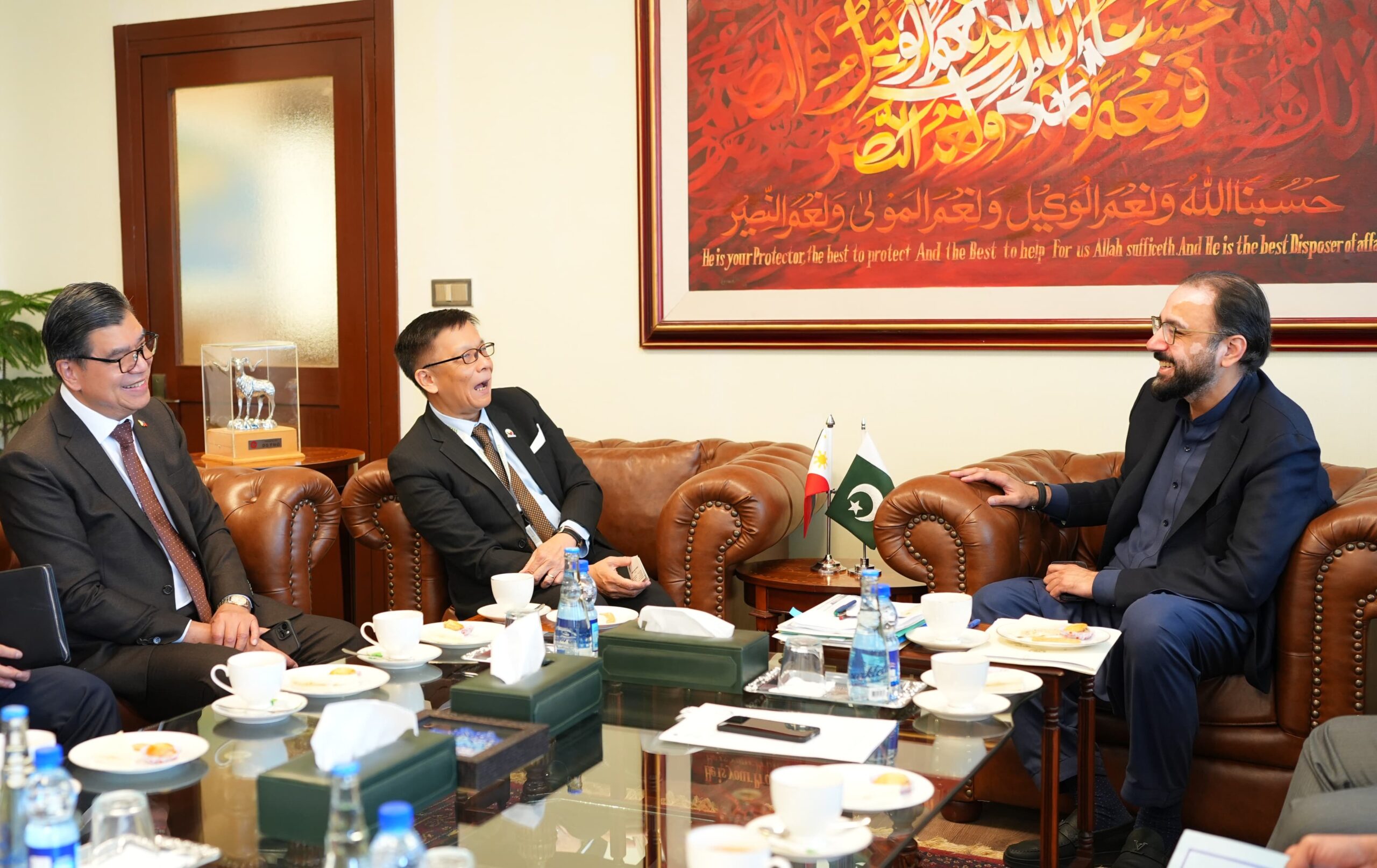
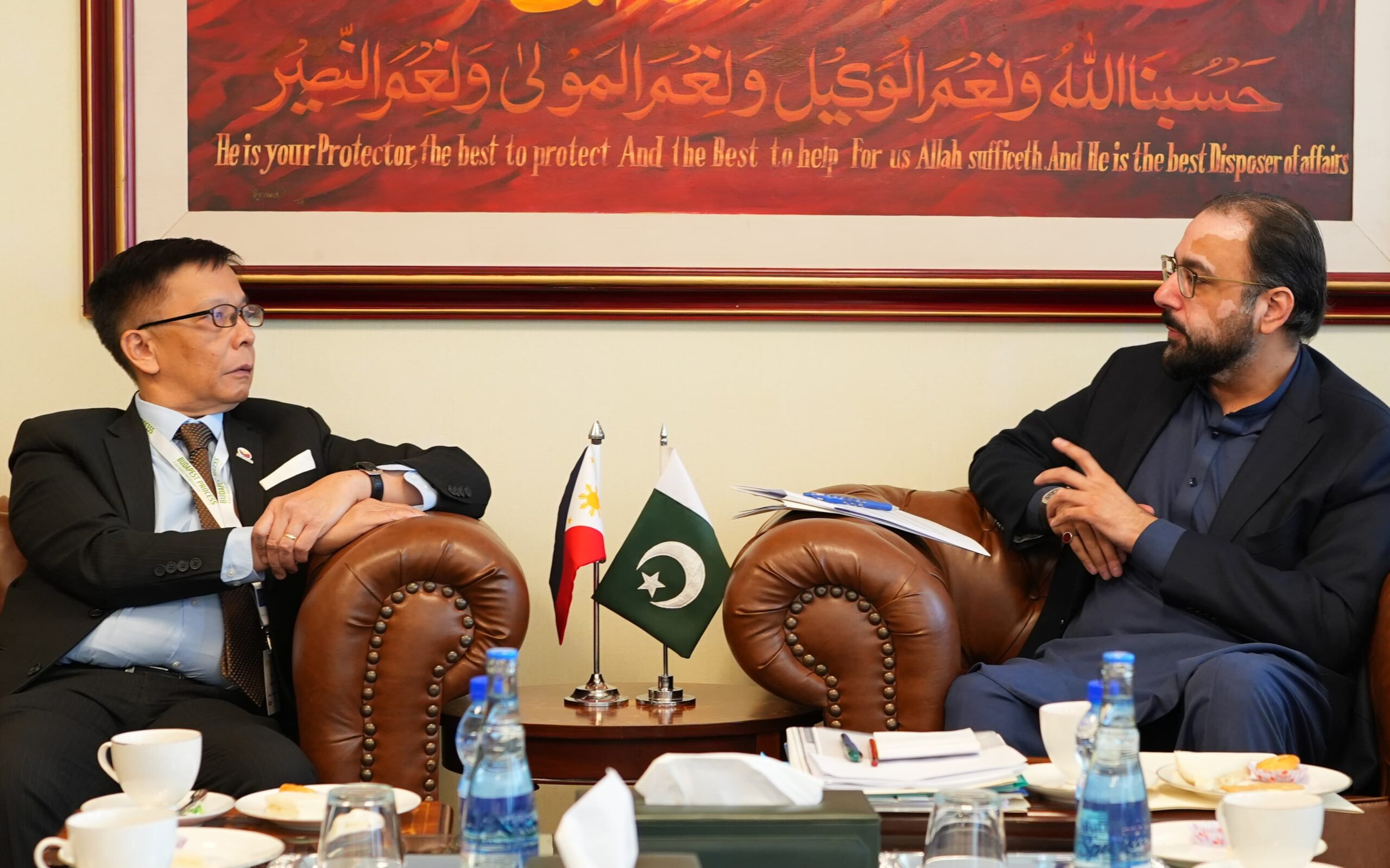
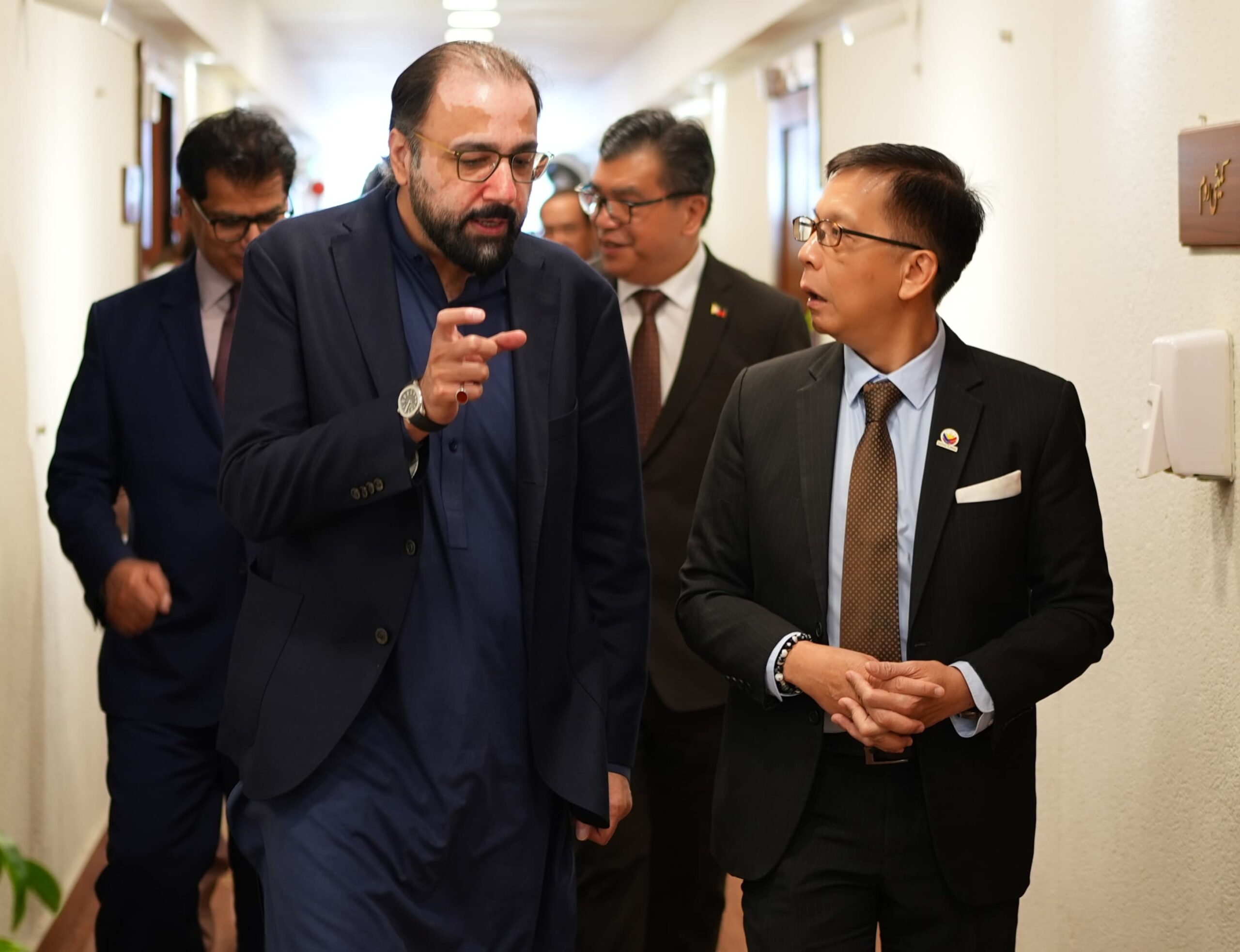
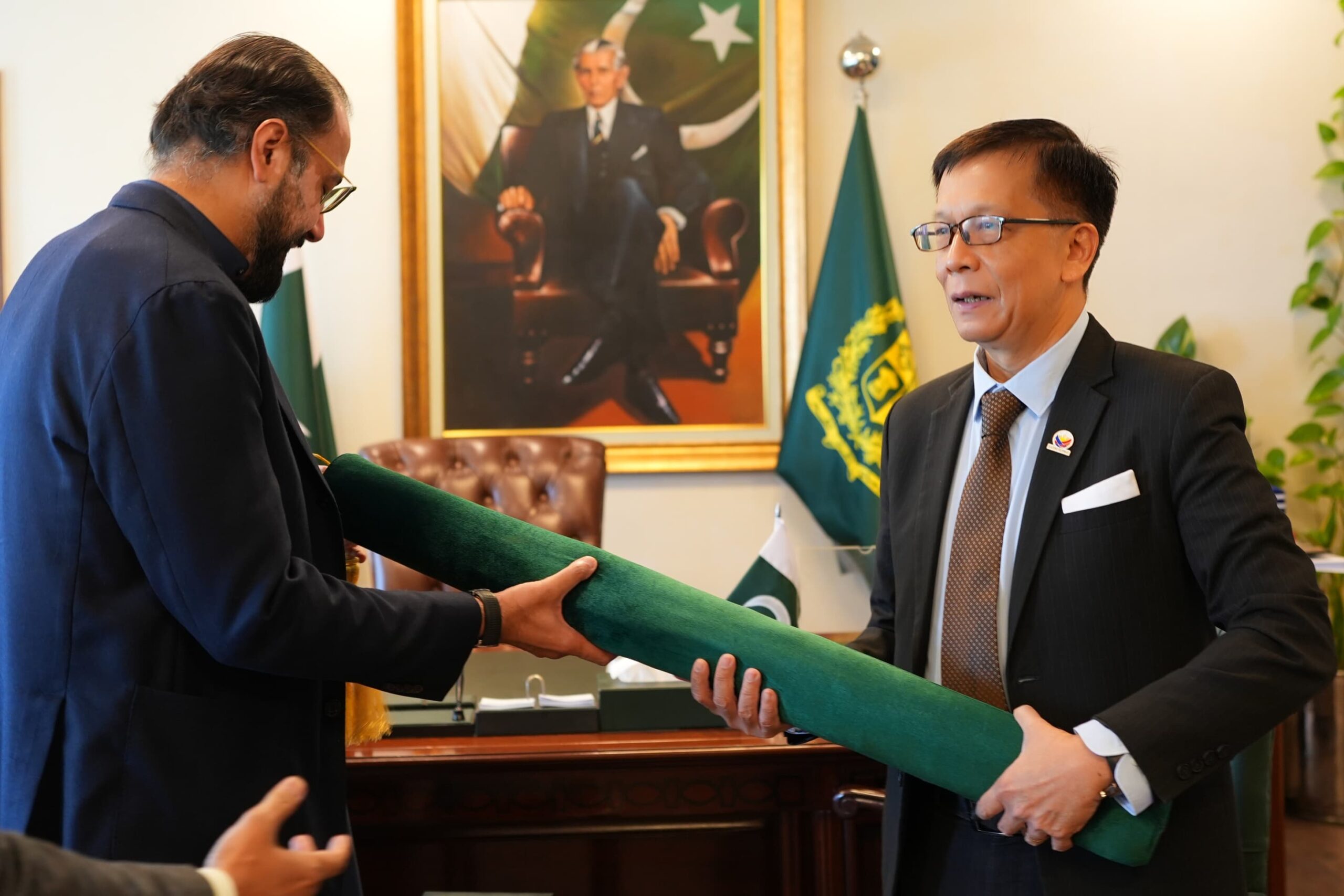
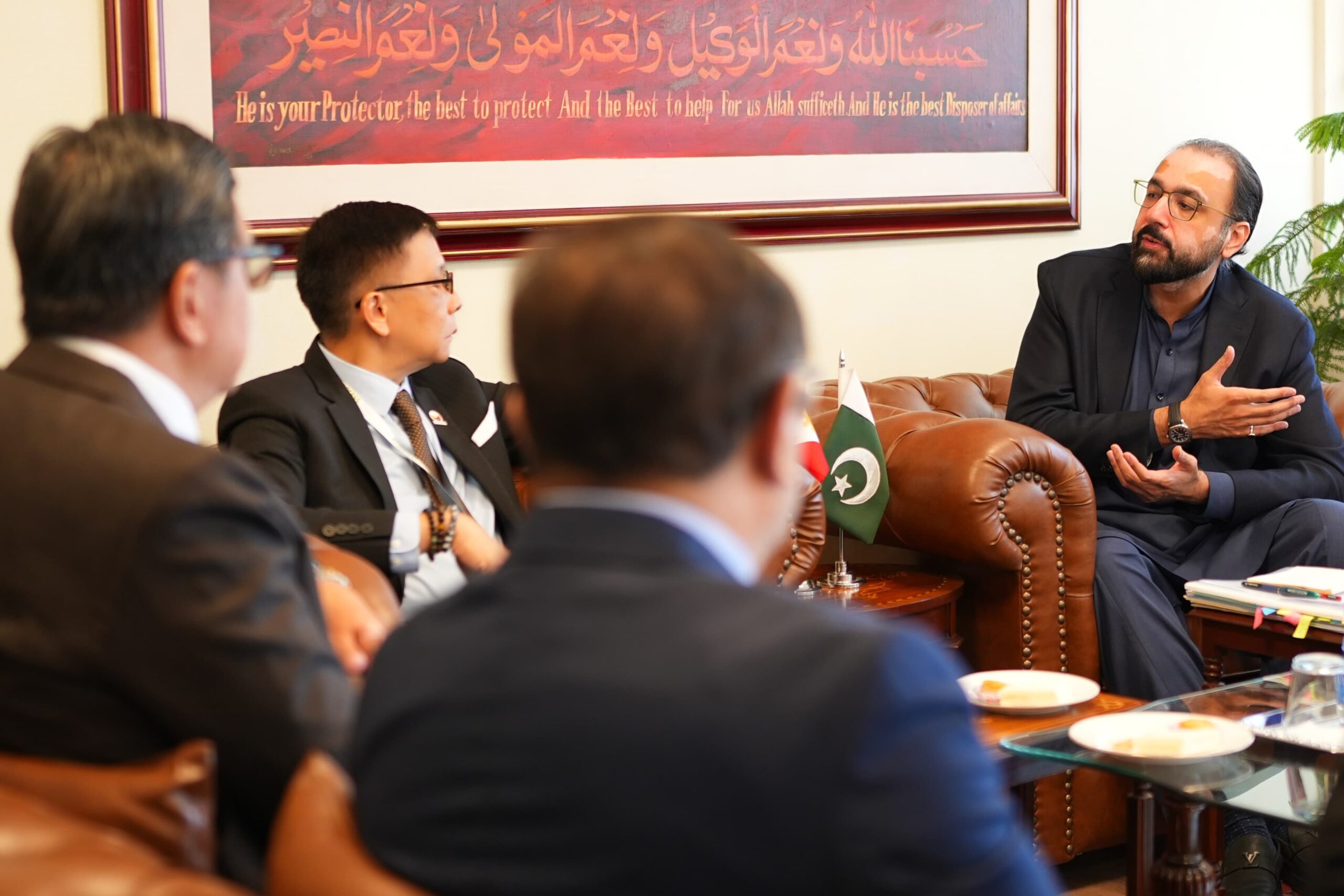
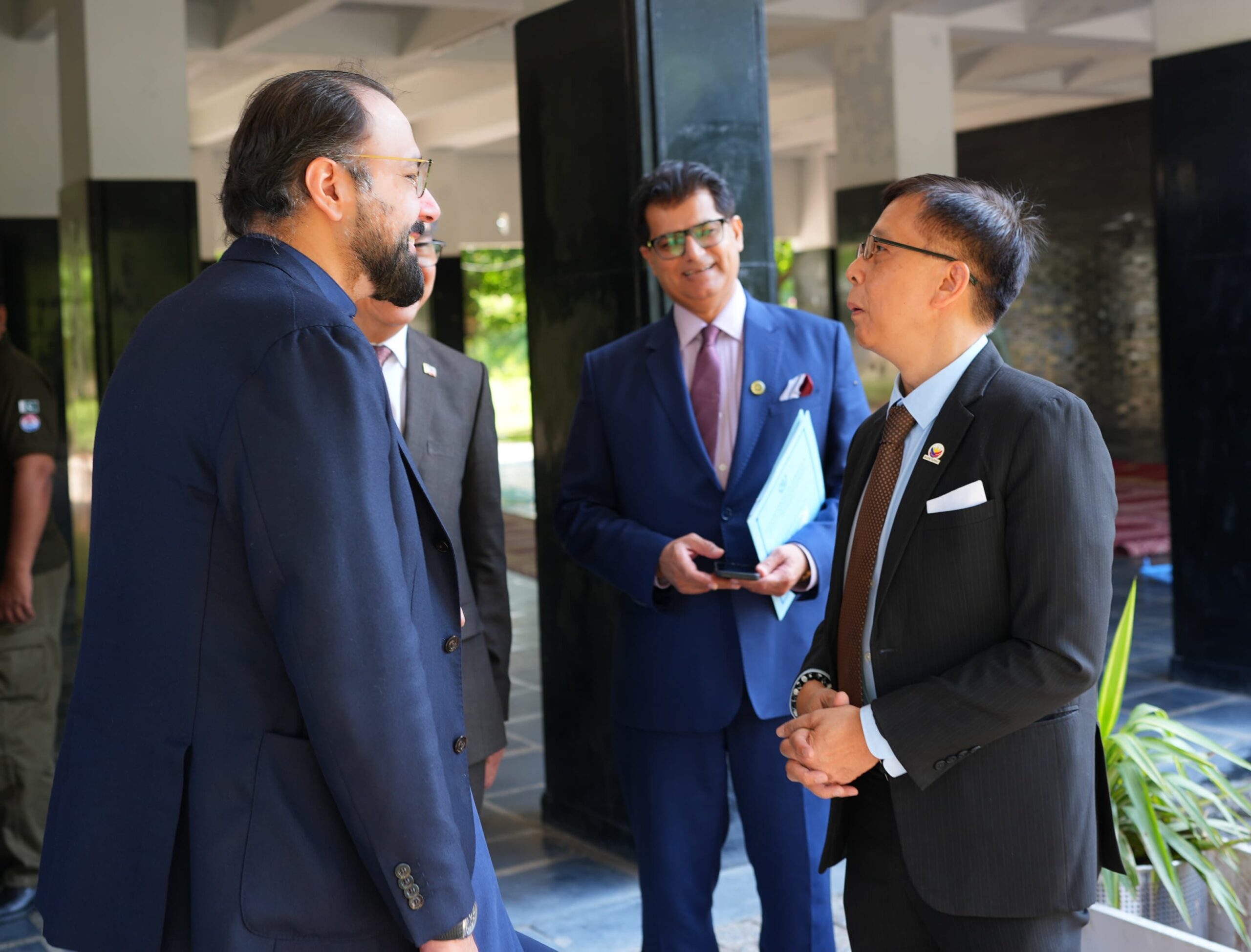
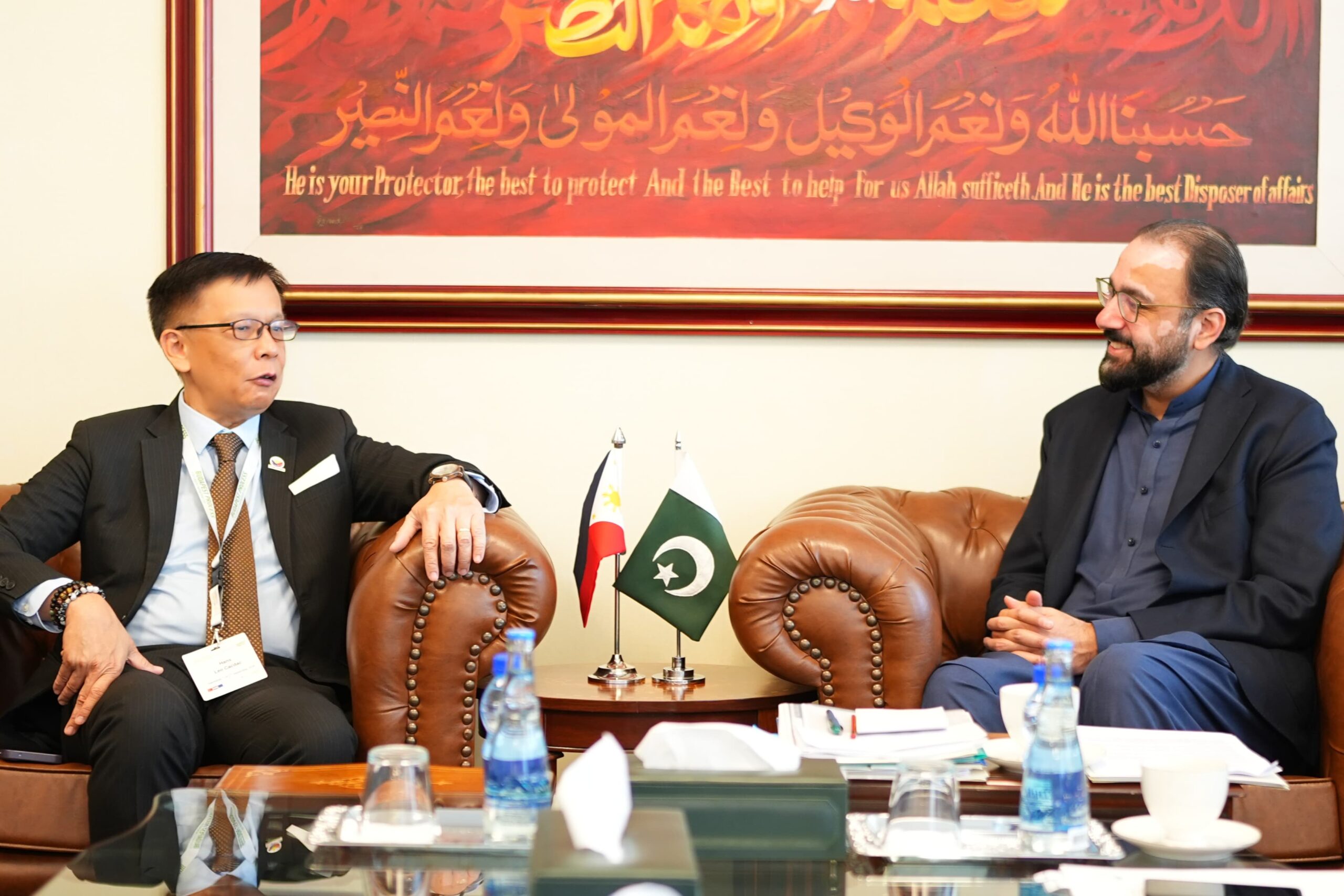
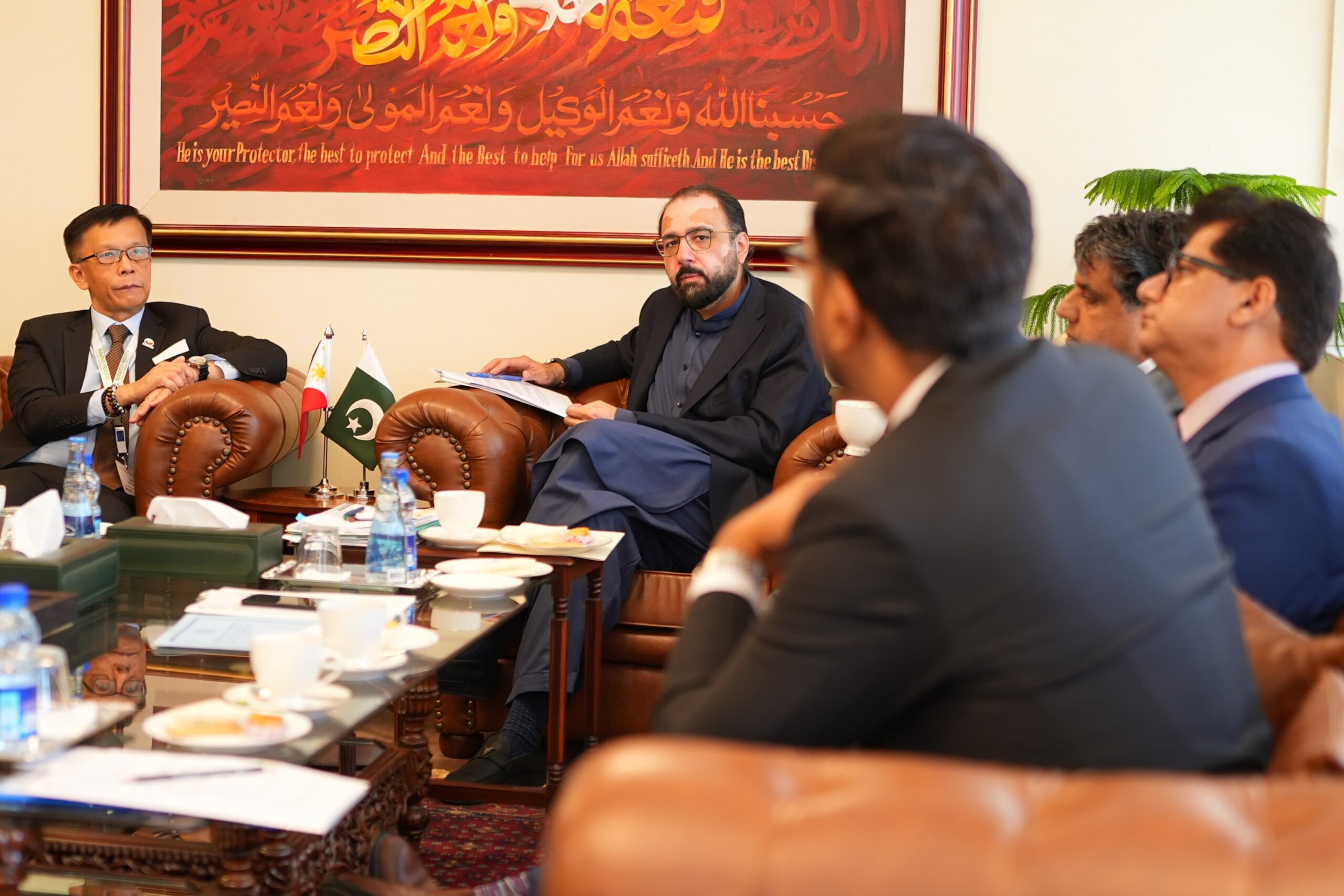
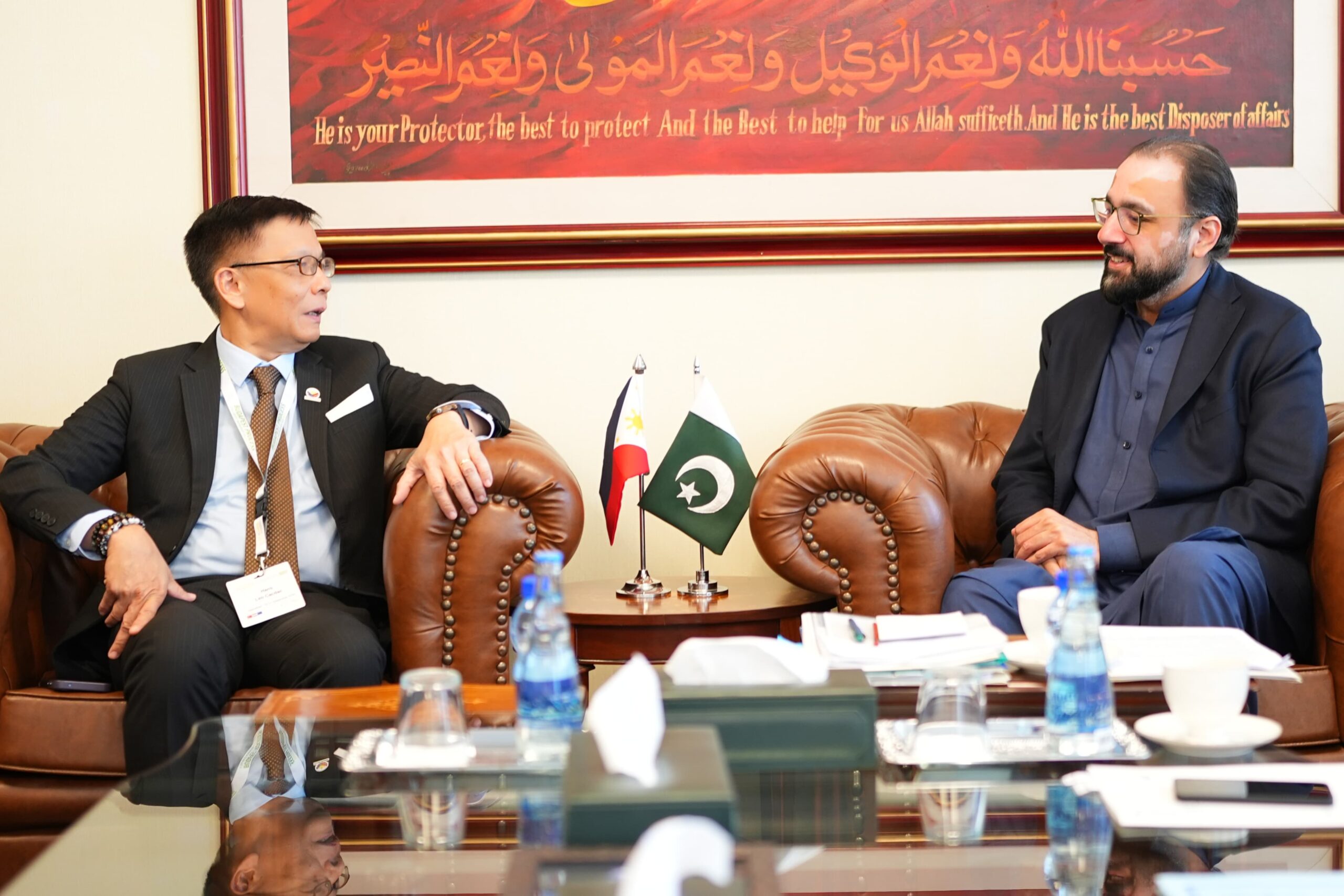
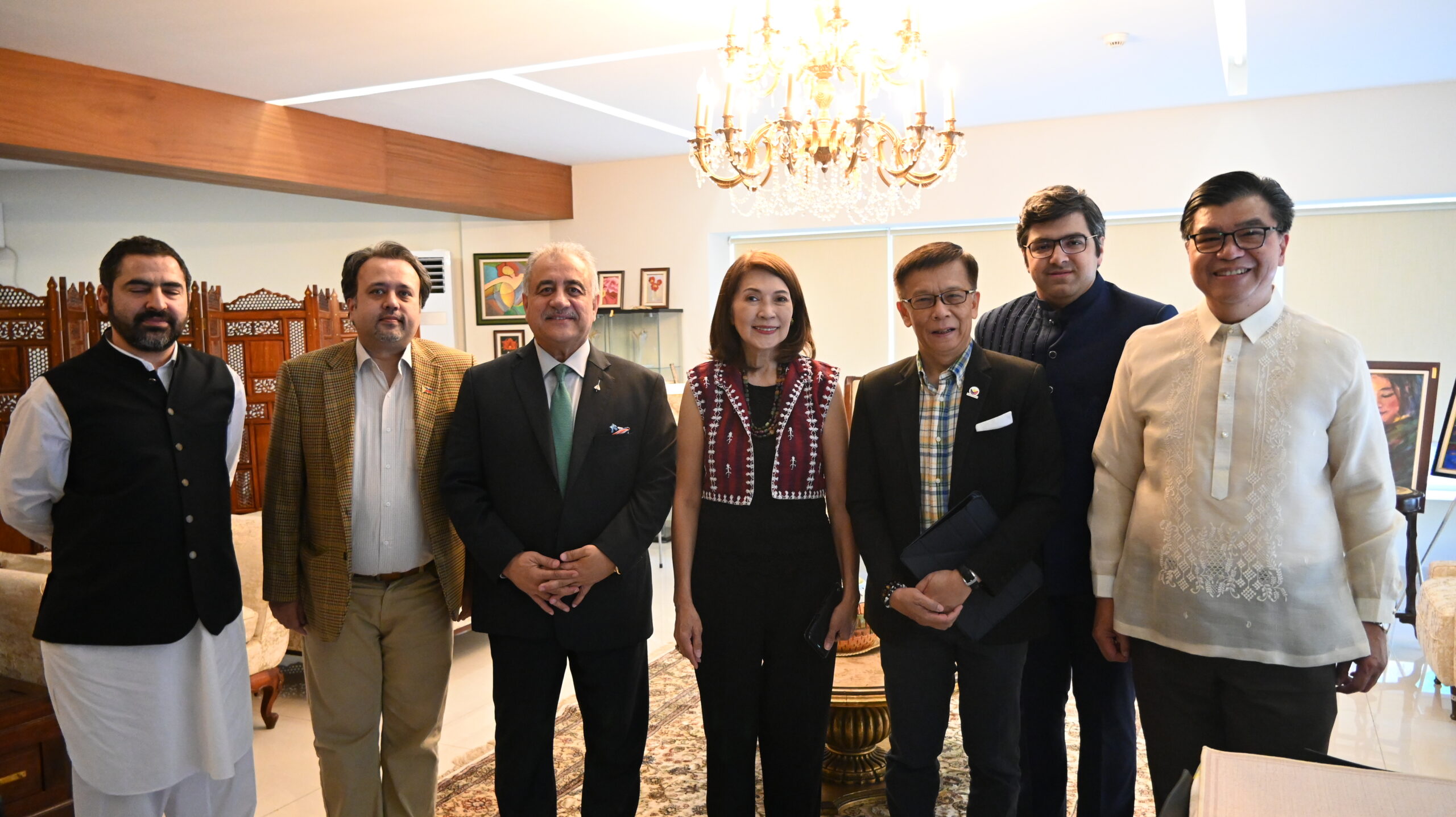
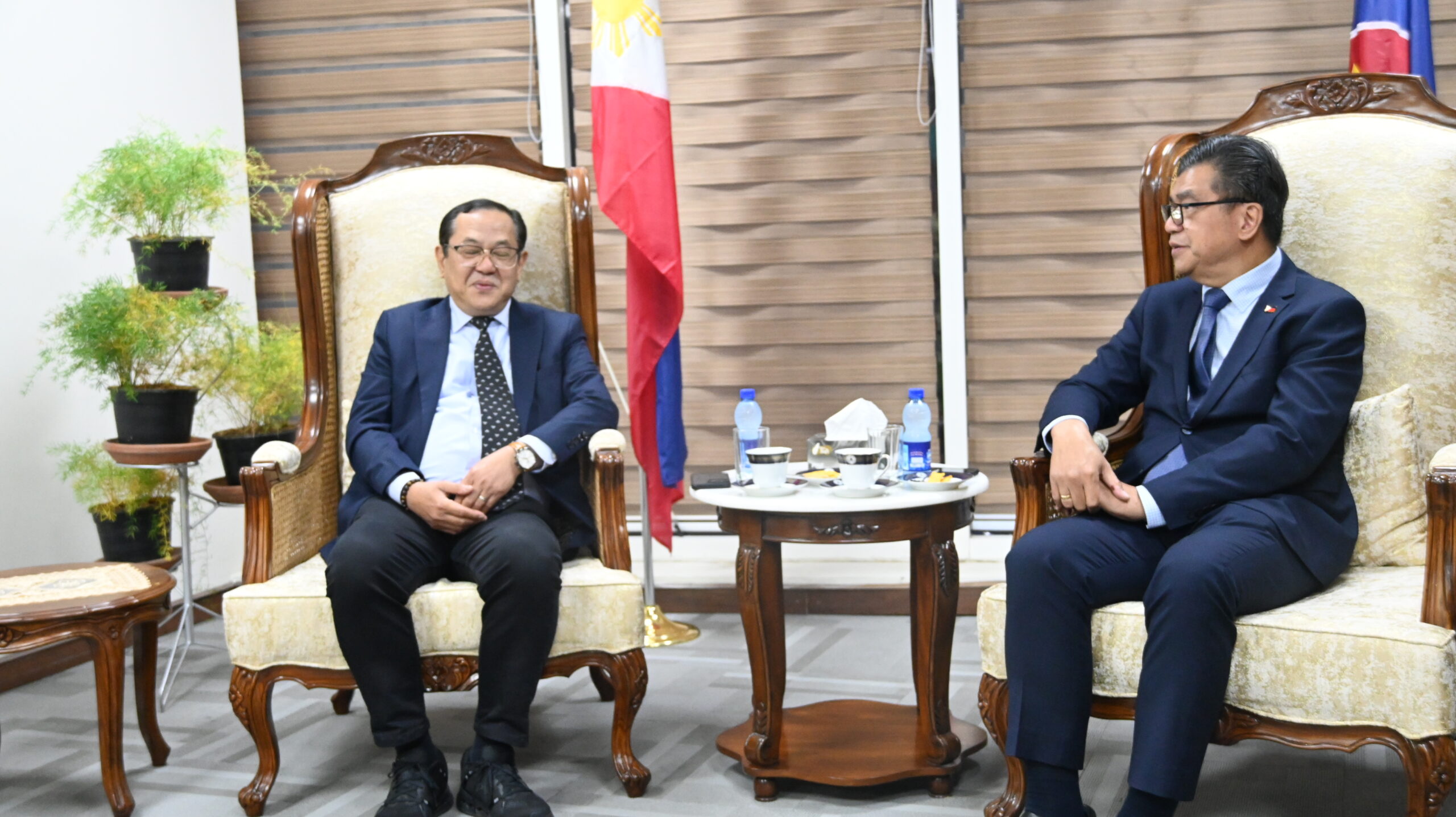
The Embassy also facilitated a call by the DMW delegation on Federal Minister Chaudhry Salik Hussain of Pakistan’s Ministry of Overseas Pakistanis and Human Resource Development (MOPHRD) on 17 September. Ambassador Fernandez and Third Secretary Mendoza joined the delegation during the meeting.
The engagement opened further avenues for Philippines–Pakistan cooperation in skills development and certification, social protection, worker welfare, reintegration, pre-departure preparation, bilateral labor arrangements, and overseas labor representation. The two sides also exchanged experiences on their respective systems for supporting nationals working abroad.
Taken together, the engagements enabled the Philippine Embassy and DMW to pursue migrant-worker diplomacy at three interconnected levels: contributing Philippine expertise to international dialogue on ethical migration; engaging Pakistan’s counterpart ministry on bilateral cooperation; and, most importantly, listening directly to Filipinos whose lives and livelihoods are affected by migration policy.
For the Philippine Embassy in Islamabad, the visit reinforced a simple but important lesson: effective migrant-worker policy must connect policymaking in Manila with realities on the ground—and the voices of Filipinos themselves must remain part of that conversation.
The Embassy will continue working closely with the Department of Migrant Workers, its honorary consular network, the Filipino community, and relevant Pakistani authorities toward stronger mechanisms for the protection, welfare, and empowerment of Filipinos in Pakistan. END